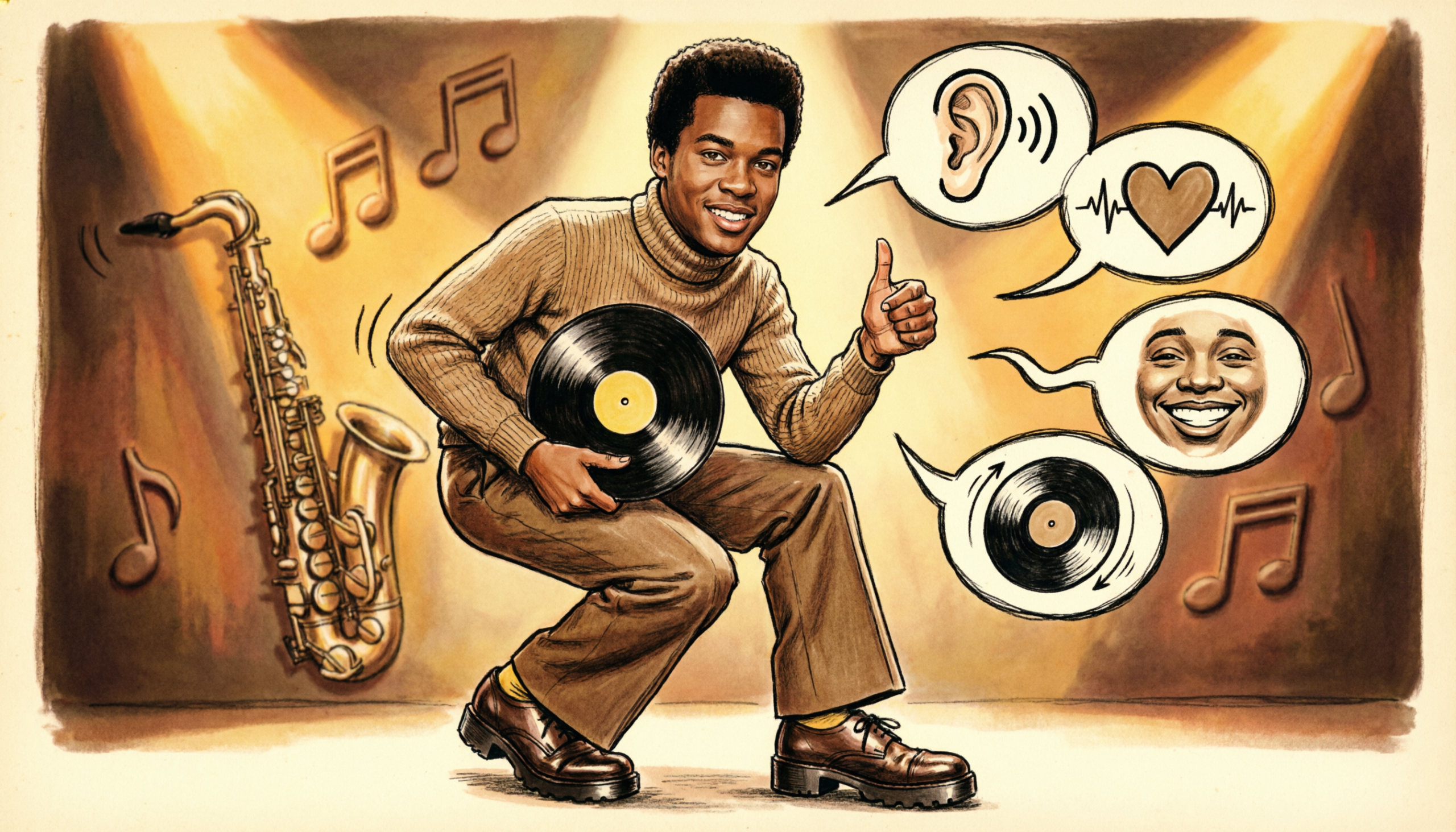
Dig slang meaning 1960s is a topic many people search because the word “dig” has been used in different ways throughout history. While today it may simply mean to understand or enjoy something, during the 1960s it became one of the most recognizable slang expressions in American culture. You may have heard it in classic movies, jazz music, old TV shows, or conversations from the hippie era.
Understanding its original meaning helps you appreciate how language changes over time. In this guide, you’ll learn where the slang came from, what it meant in the 1960s, how people used it, and whether it’s still relevant today. We’ll also explore its meanings in social media, texting, technical fields, and everyday conversations so you can understand every context in which the word dig appears.
Meaning & Definition of Dig Slang Meaning 1960s

During the 1960s, dig was a popular slang verb that generally meant to understand, appreciate, enjoy, or like something deeply. Instead of saying, “I understand what you’re saying,” someone might simply reply, “I dig it.”
The expression became especially popular among jazz musicians, Beat Generation writers, and later the hippie movement. It reflected more than simple understanding—it suggested that someone truly appreciated an idea, style, person, or experience.
For example:
- “I dig your music.”
- “Do you dig what I’m saying?”
- “I really dig that jacket.”
In each example, dig expresses interest, approval, or comprehension.
Unlike today’s internet slang, the 1960s version of dig wasn’t tied to social media or texting. It was spoken naturally in everyday conversations and often represented a relaxed, open-minded attitude.
Simple Definition
Dig (1960s slang):
- To understand
- To appreciate
- To enjoy
- To admire
- To relate to someone’s ideas
Depending on the sentence, its meaning could shift slightly, but it always carried a positive tone.
Although the slang isn’t as common today, many people still recognize phrases like:
- “Can you dig it?”
- “I dig that.”
- “You dig?”
These expressions remain part of American pop culture and occasionally appear in movies, music, and nostalgic conversations.
Background of Dig Slang Meaning 1960s
The history of dig actually began before the 1960s. Linguists believe it first appeared in African American communities during the 1930s and 1940s, especially within jazz culture. Musicians used it to encourage listeners to pay close attention or appreciate a performance.
By the 1950s, Beat poets and artists adopted the expression, helping it spread among creative communities.
The 1960s then transformed dig into a mainstream slang word. As counterculture movements grew, the expression fit perfectly with the era’s emphasis on music, creativity, freedom, and self-expression.
Popular musicians, actors, and television personalities frequently used the phrase. It became associated with:
- Hippie culture
- Rock music
- Jazz clubs
- College students
- Creative communities
The phrase “Can you dig it?” became especially famous because it asked whether someone understood or appreciated an idea.
Although its popularity declined during the late 1970s, the word never completely disappeared. Modern speakers still use it humorously or nostalgically.
Today, hearing someone say “I dig your style” often creates a retro or vintage feeling while still sounding friendly and positive.
Usage in Different Contexts
Although dig originated as 1960s slang, its meaning changes slightly depending on where it’s used.
Everyday Conversation
People often use dig to show admiration.
Examples:
- “I dig your new haircut.”
- “She really digs old movies.”
Chat Messages
In online chats, dig still means:
- I understand
- I like it
- I appreciate it
Example:
Friend:
“I started learning guitar.”
Reply:
“Nice! I dig that.”
Social Media
On platforms like Instagram and Facebook, someone might comment:
- “I totally dig this vibe.”
- “Digging these vacation photos.”
Here it simply means enjoying the content.
Professional Settings
In formal workplaces, dig is uncommon because it’s casual slang.
Instead of saying:
“I dig your presentation.”
People usually say:
- I enjoyed it.
- I appreciated it.
- Great presentation.
Music and Entertainment
Artists continue using dig because it sounds timeless.
Song lyrics, movies, and vintage-themed content often include phrases like:
- “Can you dig it?”
- “I dig this beat.”
Meaning in Chat, WhatsApp, Instagram, and TikTok
Modern internet users still occasionally use dig, although it isn’t among today’s most popular slang terms.
In Chat
It means:
- I understand.
- I agree.
- I like it.
Example:
Person A:
“This movie is amazing.”
Person B:
“I dig it.”
On WhatsApp
Friends may use it casually:
“I dig your idea.”
Meaning:
“I like your idea.”
On Instagram
Common captions include:
- Digging this sunset.
- Really dig this outfit.
- Digging the aesthetic.
Here, digging simply means enjoying or loving something.
On TikTok
Vintage trends often bring older slang back into popularity.
Creators sometimes use:
- Can you dig it?
- Dig this.
Usually to create retro vibes or reference 1960s culture.
Although Gen Z generally prefers newer slang like fire, slay, or W, dig remains understandable to most English speakers.
Meaning in Physics, Medical, and Aircraft Terminology

Outside slang, dig can have completely different meanings depending on the field.
Physics
The word dig has no official scientific meaning.
If used, it usually refers to literal digging in geology or engineering discussions.
Medical
In medicine, dig often appears as an abbreviation.
For example:
Dig. may refer to Digitalis or Digoxin, medications used to treat certain heart conditions.
The meaning depends entirely on the medical context.
Aircraft
In aviation, dig is not a standard aviation term.
Pilots generally do not use it officially.
However, mechanics may casually say:
“We need to dig into the problem.”
Meaning:
“We need to investigate further.”
This is simply an informal expression rather than aviation terminology.
Common Misconceptions
Many people misunderstand the slang because dig has several dictionary meanings.
Common myths include:
It Always Means “Digging a Hole”
False.
The slang meaning relates to understanding or appreciating something.
It Is Modern Internet Slang
Not really.
The expression became popular decades before the internet existed.
It Is Offensive
No.
The phrase is friendly and positive.
It Is Only Used by Older People
Not necessarily.
Younger users sometimes adopt vintage slang for humor or style.
Understanding the context makes interpreting dig much easier.
Similar Terms & Alternatives
Several expressions share similar meanings with dig.
Some common alternatives include:
- Appreciate
- Like
- Enjoy
- Understand
- Get it
- Feel it
- Love it
- Be into
- Support
- Respect
Examples:
Instead of:
“I dig this song.”
You could say:
- I love this song.
- I’m into this song.
- I really enjoy this song.
Each alternative has a slightly different tone, but they express similar ideas.
How to Respond to It
If someone says:
“I dig your style.”
You can reply:
- Thanks!
- Glad you like it.
- I appreciate that.
- Happy to hear it.
If someone asks:
“Can you dig it?”
Possible responses include:
- Absolutely.
- Yes, I get it.
- Definitely.
- I understand.
- I like it.
The best response depends on whether they’re asking about understanding or expressing appreciation.
Differences from Similar Words
Although dig, like, love, and understand overlap, they are not identical.
| Word | Primary Meaning | Tone |
|---|---|---|
| Dig | Appreciate or understand deeply | Casual, retro |
| Like | General approval | Neutral |
| Love | Strong emotion | Emotional |
| Get | Understand | Informal |
| Appreciate | Recognize value | More formal |
Among these, dig has the strongest connection to 1960s American slang and vintage culture.
Relevance in Online Conversations & Dating Apps
Although uncommon compared to newer internet slang, dig still appears online.
On dating apps, someone might write:
- “I dig people who love traveling.”
- “If you dig coffee, we’ll get along.”
Here it simply means:
- Like
- Enjoy
- Be interested in
Online communities also use it when discussing:
- Music
- Art
- Fashion
- Classic films
- Vintage culture
Using dig can make a message feel friendly, nostalgic, and slightly playful.
It may also help someone express genuine appreciation without sounding overly formal.
FAQs
- What does dig slang mean in the 1960s?
It usually meant to understand, appreciate, enjoy, or admire something. - Is “Can you dig it?” still used today?
Yes. Although less common, it’s still used in movies, music, and retro conversations. - Does dig always mean understanding?
No. Depending on the context, it can also mean liking or appreciating someone or something. - Is dig a Gen Z slang word?
No. It became famous during the 1960s, long before modern internet slang. - Can I use dig in everyday English today?
Yes. Native speakers still understand it, though it sounds casual and somewhat vintage.
Conclusion
The dig slang meaning 1960s reflects an era when language became a symbol of creativity, music, and cultural change. Rather than simply meaning to excavate the ground, dig evolved into a popular way of expressing understanding, admiration, or genuine appreciation. From jazz clubs and hippie communities to classic films and modern social media, the word has remained recognizable across generations.
While it isn’t as common as today’s trending slang, it still appears in conversations, music, and online content, giving messages a nostalgic and friendly tone. By understanding its historical roots and modern usage, you can easily recognize when someone says they “dig” an idea, style, or person. Knowing the context ensures you interpret the word correctly, whether you’re reading vintage literature, chatting online, or exploring classic American slang.
Discover More Articles:
- What Is Truffle Butter in Slang? Definition with Real Examples
- Period Meaning in Slang: Why Everyone Says “Period” Online
- Why Do People Say FN? Slang Meaning Explained Simply

Emily Thompson is an English language educator and grammar writer at grammarnestz.com. She specializes in grammar rules, vocabulary development, writing skills, and language-learning resources for students and professionals.