Gen Z slang meaning refers to the unique words, phrases, and expressions popular among Generation Z, the group of people generally born between the late 1990s and early 2010s. These terms are commonly used in online conversations, social media platforms, gaming communities, and everyday communication. People search for Gen Z slang meaning because new expressions appear quickly, and understanding them helps users stay connected with modern digital culture.
From words like “rizz,” “cap,” “slay,” and “no cap” to phrases trending on TikTok and Instagram, Gen Z slang reflects creativity, humor, and the fast-changing nature of internet communication. These expressions often carry meanings that are different from traditional English words. Learning this language helps people understand online conversations, memes, relationships, and youth culture more easily.
Complete Gen Z Words List With Meanings
A Gen Z words list includes hundreds of popular slang terms that are commonly used online and in everyday conversations. These words often have meanings that are different from their traditional definitions.
Some popular Gen Z slang examples include:
- Rizz – The ability to attract or impress someone, especially romantically.
- No Cap – Telling the truth or being honest.
- Cap – A lie or exaggeration.
- Slay – Doing something extremely well or looking amazing.
- Bet – A way of saying “okay,” “sure,” or “I agree.”
- Sus – Something suspicious or questionable.
- Mid – Something average, boring, or disappointing.
- Flex – Showing off something.
- Vibe – A feeling, mood, or atmosphere.
- Ghosting – Suddenly stopping communication with someone.
These words are frequently seen in social media comments, text messages, and online communities.
50 Gen Z Slang Words You Need to Know
Learning 50 Gen Z slang words you need to know can make it easier to understand modern conversations, especially on social media platforms.
Here are some commonly used Gen Z slang terms:
- Ate – Did something perfectly.
- Bet – Agreement or confirmation.
- Cap – A lie.
- No Cap – Truthfully.
- Drip – Stylish clothing or fashion.
- Fire – Something excellent.
- GOAT – Greatest of all time.
- Rizz – Romantic charm.
- Slay – To succeed or impress.
- Bussin – Extremely good, especially food.
- Mid – Average quality.
- Cringe – Embarrassing.
- Sus – Suspicious.
- NPC – Someone acting without originality.
- Based – Confidently expressing an opinion.
- W – A win or success.
- L – A loss or failure.
- Ratio – When someone receives more negative reactions than support.
- Vibe Check – Judging someone’s attitude or energy.
- Stan – A dedicated fan.
- Yeet – Throwing something with force.
- Flex – Showing off.
- fierce – Bold or fearless.
- Tea – Gossip or information.
- Spill the Tea – Share the details.
- Lowkey – Secretly or slightly.
- Highkey – Clearly or openly.
- Periodt – Strong agreement.
- Delulu – Unrealistic thinking.
- Bae – Someone special.
- Situationship – An unclear romantic relationship.
- Ghosting – Ending communication suddenly.
- Red Flag – Warning sign.
- Green Flag – Positive quality.
- Cooked – In trouble or finished.
- Let Him Cook – Allow someone to continue because they may succeed.
- Skibidi – A viral internet term linked with memes.
- Sigma – A person viewed as independent or confident.
- Gyatt – A reaction often about physical appearance.
- Fanum Tax – Taking someone’s food jokingly.
- Mewing – Internet trend related to jawline exercises.
- Aura – Someone’s confidence or presence.
- Brain Rot – Excessive online content consumption.
- Yap – Talking too much.
- Bop – A good song or sometimes a person (depending on context).
- Clout – Popularity or influence.
- Hits Different – Something feels unique.
- Main Character Energy – Acting confidently like the focus of a story.
- Rent Free – Something staying in someone’s mind.
- Touch Grass – Spending less time online and reconnecting with reality.
Gen Z Slang Meaning According to Urban Dictionary and Online Culture
Many people search for Gen Z slang meaning Urban Dictionary because Urban Dictionary has become one of the most popular places to discover informal internet language.
Since Gen Z slang develops mostly online, definitions can sometimes change depending on trends, communities, and social media platforms. A word may have one meaning on TikTok but a slightly different meaning in gaming communities or online forums.
For example, words like “based,” “sigma,” and “rizz” became popular because of memes and viral content. Their meanings continue to evolve as more people use them.
Gen Z Slang for Bad, Negative, or Disappointing Things
The phrase Gen Z slang for bad refers to the expressions young people use when describing something negative, boring, embarrassing, or unsuccessful.
Common examples include:
Mid
Used when something is average or not impressive.
Example:
“That movie was mid.”
L
A short way to describe a failure or disappointment.
Example:
“Missing that opportunity was an L.”
Trash
Used when something is considered very poor quality.
Example:
“This update is trash.”
Cringe
Used for something embarrassing or uncomfortable.
Example:
“That video was so cringe.”
Gen Z often uses these words online to quickly express opinions.
What Does Skibidi Mean in Gen Z Slang?
Gen Z slang skibidi became famous through viral internet culture, especially the “Skibidi Toilet” meme series on YouTube.
The meaning of “skibidi” is not fixed. In many cases, it is used as a humorous, random, or meaningless word that represents internet humor. Gen Z often uses such words because they are funny, unusual, and connected to online trends.
The popularity of skibidi shows how quickly memes can influence modern language.
Gen Z Terms in Relationships and Dating
Modern relationships have created many new Gen Z terms in relationships that describe dating experiences, communication styles, and emotional situations.
Some popular relationship slang includes:
Situationship
A romantic connection without a clear relationship label.
Rizz
Someone’s ability to attract or impress another person.
Ghosting
When someone suddenly stops replying or disappears.
Red Flag
A warning sign in a relationship.
Green Flag
A positive quality that shows someone is a good partner.
Ick
A sudden feeling of dislike or attraction loss.
These terms help Gen Z describe complicated relationship situations using simple expressions.
Why Gen Z Slang Is Important in Modern Communication
Gen Z slang reflects how language changes with technology and culture. Social media has made communication faster, shorter, and more creative.
These slang terms help people express emotions, humor, and opinions quickly. While some words may disappear after a trend ends, others become permanent parts of everyday language.
Understanding Gen Z slang allows people of different generations to communicate better and follow modern online conversations.
Meaning & Definition of Gen Z Slang Meaning
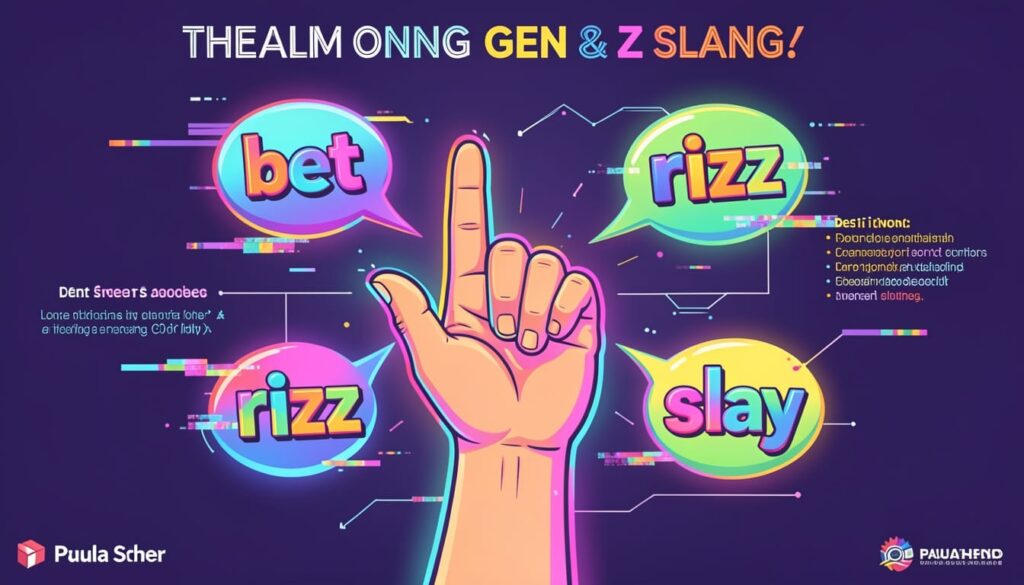
Gen Z slang meaning describes the definitions and explanations of informal words and phrases created or widely adopted by Generation Z. Unlike formal language, slang is flexible and often changes depending on trends, communities, and online platforms.
Gen Z slang is mostly used to express emotions, reactions, opinions, and social connections in a short and creative way. Many terms come from social media, music, gaming, and internet communities.
Examples:
- Rizz – charm or the ability to attract someone romantically.
- No cap – telling the truth or being honest.
- Slay – doing something extremely well.
- Ate – performing something impressively.
- Mid – something average or disappointing.
- Sus – suspicious or questionable.
These expressions are not always used with their original dictionary meanings. Instead, their meanings depend on context. For example, “slay” traditionally means to kill, but in Gen Z conversations, it usually means someone did something amazing.
Understanding Gen Z slang helps bridge communication gaps between different age groups and makes online interactions easier to follow.
Background and Origin of Gen Z Slang
Gen Z slang developed through the rapid growth of digital communication. Unlike previous generations that mainly created slang through local communities, Gen Z spreads new words globally through platforms like TikTok, Instagram, YouTube, Discord, and gaming networks.
The internet plays a major role in creating and popularizing these expressions. A phrase can become viral within hours because millions of users share videos, memes, and posts worldwide.
Many Gen Z slang words come from:
- African American Vernacular English (AAVE)
- Gaming culture
- Music and hip-hop communities
- Online memes
- Short-form video platforms
- Influencer culture
For example, words like “tea” (meaning gossip or information) became popular through internet communities, while “yeet” became famous through viral videos.
Gen Z slang also changes faster than traditional language. A word that is popular today may disappear or gain a completely new meaning after a few years. This constant evolution makes internet language exciting but sometimes confusing for people unfamiliar with online trends.
Usage of Gen Z Slang Meaning in Different Contexts
Gen Z Slang in Chat and Online Conversations
In messaging apps, Gen Z slang is used to communicate quickly and casually. People use short expressions to show emotions, reactions, or opinions.
Examples:
- “That outfit is fire.”
Meaning: The outfit looks excellent. - “No cap, this movie was amazing.”
Meaning: I am being honest; the movie was amazing. - “You ate that.”
Meaning: You did something very well.
These terms make conversations more relaxed and personal.
Gen Z Slang on Social Media
Platforms like TikTok, Instagram, and Twitter are major places where Gen Z slang spreads. Viral videos and memes often introduce new words that quickly become part of everyday communication.
Common examples include:
- POV – point of view
- NPC – someone acting predictable or without originality
- GOAT – greatest of all time
- Vibe – mood or feeling
Social media users often use slang to create a sense of belonging within online communities.
Gen Z Slang in Professional Fields
Although Gen Z slang is common in casual communication, it is usually avoided in formal workplaces. However, some companies use younger language styles in marketing campaigns to connect with younger audiences.
For example, brands may use words like:
- “Trending”
- “Viral”
- “Iconic”
- “Slay”
However, professional emails, reports, and business meetings usually require standard English.
Meaning in Chat, WhatsApp, Instagram, and TikTok
Gen Z Slang Meaning in Chat and WhatsApp
In private conversations, slang helps people express feelings quickly. WhatsApp users commonly use abbreviations and trendy phrases.
Examples:
- BRB – be right back
- LOL – laughing out loud
- FR – for real
- TBH – to be honest
These expressions save time and make conversations informal.
Gen Z Slang Meaning on Instagram
Instagram users often use slang in captions, comments, and stories.
Examples:
“Serving looks” means someone has a stylish appearance.
“Main character energy” means someone acts confident and special.
Gen Z Slang Meaning on TikTok
TikTok is one of the biggest sources of modern slang. Trends spread quickly because users repeat phrases in videos, comments, and hashtags.
Popular TikTok slang includes:
- “It’s giving…” – describing a certain feeling or impression.
- “Bussin” – extremely good, especially food.
- “Delulu” – jokingly describing unrealistic beliefs.
Meaning in Physics, Medical, and Aircraft Terminology
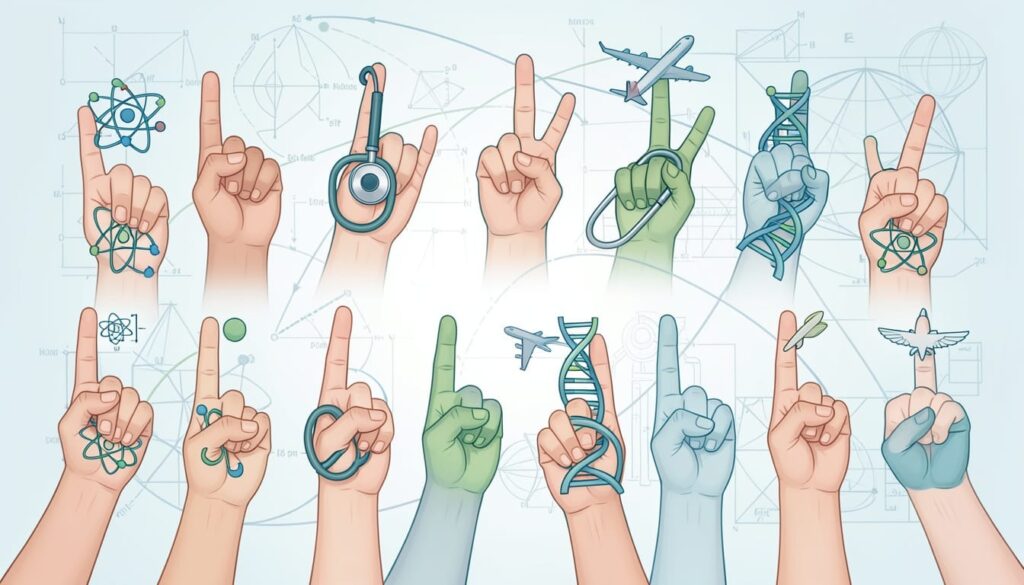
The phrase Gen Z slang meaning is related to language and communication, not scientific fields. The word “slang” does not have a specific meaning in physics, medicine, or aviation.
However, some Gen Z slang terms may accidentally match technical words.
Physics
Physics does not use Gen Z slang. Scientific terms have specific definitions based on experiments and formulas.
Medical Field
Medical professionals use standardized terminology to avoid confusion. Slang expressions are generally avoided in medical documentation.
Aircraft Terminology
Aviation uses official communication systems and technical vocabulary. Informal slang is not used for flight operations because accuracy and safety are important.
Common Misconceptions About Gen Z Slang
Many people misunderstand Gen Z slang because these words often have meanings different from traditional English.
Misconception 1: Slang Is Incorrect Language
Slang is not necessarily incorrect. It is a natural part of language development and reflects cultural changes.
Misconception 2: Every Young Person Uses Slang
Not all Gen Z individuals use internet slang. Usage depends on personality, location, interests, and online activity.
Misconception 3: Slang Has Permanent Meanings
Gen Z expressions change quickly. A word can have different meanings depending on trends and communities.
Misconception 4: Slang Is Only Used Online
Although social media spreads slang, many expressions are also used in real-life conversations.
Similar Terms & Alternatives
Some words related to Gen Z slang include:
- Internet slang – informal language used online.
- Digital language – communication styles created through technology.
- Youth slang – expressions popular among younger generations.
- Online expressions – words commonly used on social platforms.
- Modern slang – recently developed informal vocabulary.
These terms overlap but may refer to different groups or communication styles.
How to Respond to Gen Z Slang
When someone uses Gen Z slang, your response depends on the situation.
Examples:
If someone says:
“That song is fire.”
You can reply:
- “Yes, it’s really good.”
- “I agree, it’s amazing.”
If you do not understand a slang term, it is acceptable to ask:
- “What does that mean?”
- “Can you explain that phrase?”
Using slang naturally is better than forcing it into conversations.
Differences Between Gen Z Slang and Similar Words
Gen Z slang differs from traditional language because it is:
| Gen Z Slang | Traditional Meaning |
|---|---|
| Slay | Doing something amazingly well |
| Fire | Excellent or impressive |
| Cap | A lie or false statement |
| Tea | Gossip or information |
| Drip | Fashion style |
Traditional words often have fixed meanings, while slang meanings depend heavily on social context.
Relevance in Online Conversations & Dating Apps
Gen Z slang plays an important role in online relationships and dating conversations. Many people use slang to create humor, show personality, and build connections.
Examples on dating apps:
- “Good vibes only” – looking for positive energy.
- “Rizz” – romantic confidence or charm.
- “Green flag” – a positive quality in someone.
- “Red flag” – a warning sign.
Understanding these expressions can help people communicate better and avoid misunderstandings while interacting online.
FAQs About Gen Z Slang Meaning
- What is Gen Z slang meaning?
Gen Z slang meaning refers to the definitions of informal words and phrases commonly used by Generation Z. - Why is Gen Z slang popular?
Gen Z slang spreads through social media, memes, music, and online communities. - Is Gen Z slang used only online?
No, many slang expressions are also used in everyday conversations. - What are some examples of Gen Z slang?
Examples include rizz, no cap, slay, ate, and fire. - Does Gen Z slang change over time?
Yes, new expressions appear frequently as internet culture evolves.
Conclusion
Gen Z slang meaning helps explain the creative and constantly changing language used by today’s younger generation. These expressions are more than just trendy words; they represent online culture, humor, identity, and communication styles. From TikTok trends to everyday conversations, Gen Z slang continues to influence modern English.
Understanding these terms makes it easier to follow social media discussions, connect with younger audiences, and communicate effectively in digital spaces. Although slang changes quickly, its role in language development remains important. Like every generation before it, Gen Z has created its own way of expressing ideas, emotions, and experiences through unique vocabulary.
Discover More Articles:
- Zip Meaning in Text: Why People Use “Zip” in Conversations
- Bump Slang Meaning: Origins, Contexts, and Common Uses
- Swag Slang Meaning: Everything You Should Know Before Using It

Emily Thompson is an English language educator and grammar writer at grammarnestz.com. She specializes in grammar rules, vocabulary development, writing skills, and language-learning resources for students and professionals.