Otter slang meaning has become a popular search term as people come across this unique word in online chats, social media, and modern conversations. While many people know “otter” as a cute aquatic animal, its slang meaning can have a completely different context depending on where it is used.
From internet communities to casual conversations, understanding the meaning behind this term helps you communicate better and avoid confusion. In this guide, we will explore what otter slang meaning is, where it comes from, how people use it, and why it has gained attention in today’s digital world.
Otter Meaning in LGBT Culture
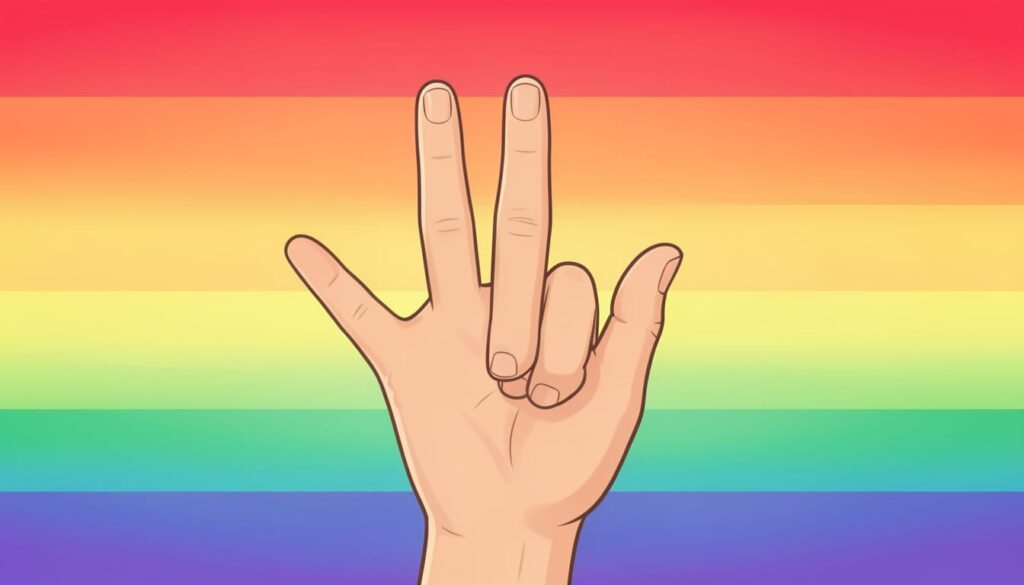
The term “otter” in LGBT culture is a slang word mainly used to describe a specific male body type, especially among gay men. An otter usually refers to a man who has a slim-to-average build with visible body hair. This term is part of a wider community vocabulary used to describe different appearances and body types.
Unlike a bear, who is generally larger, broader, and heavier, an otter is usually leaner while still having natural body hair. Many people consider otters to be between a twink (a younger-looking, slim, less hairy body type) and a bear in terms of appearance.
The word is not a strict category, and people may use it differently depending on personal preferences and community culture. For many, identifying as an otter is simply a way to describe their appearance and connect with others who share similar traits.
Otter Meaning in Relationships and Dating
In relationships and dating, the term otter is often used to describe someone’s physical appearance or attraction preference. A person may say they are dating an “otter man” or are attracted to otter-type individuals.
When used in dating conversations, the word helps people communicate their preferences more easily. For example, someone might mention that they like otters because they are attracted to men with a lean body, natural body hair, and a softer masculine appearance.
The term does not define someone’s personality, relationship style, or behavior. It only describes a physical appearance category. Just like other body-type labels, it is mainly used as a form of self-expression and attraction within certain communities.
What Does Otter Mean on Grindr?
On Grindr and other dating apps, “otter” is commonly used as a body-type label. Users may include it in their profiles to describe their appearance and help others understand their physical characteristics.
When someone lists themselves as an otter on Grindr, they usually mean they have a lean or average body with noticeable body hair. The label allows users to find people with similar appearances or preferences.
Grindr includes many community terms such as bear, wolf, twink, cub, and otter. These words are not official categories but are commonly understood within LGBTQ+ dating spaces.
Example:
- “I’m an otter looking for someone who enjoys hiking and movies.”
- “I’m attracted to otters because I like a natural, hairy look.”
What Is an Otter Man?
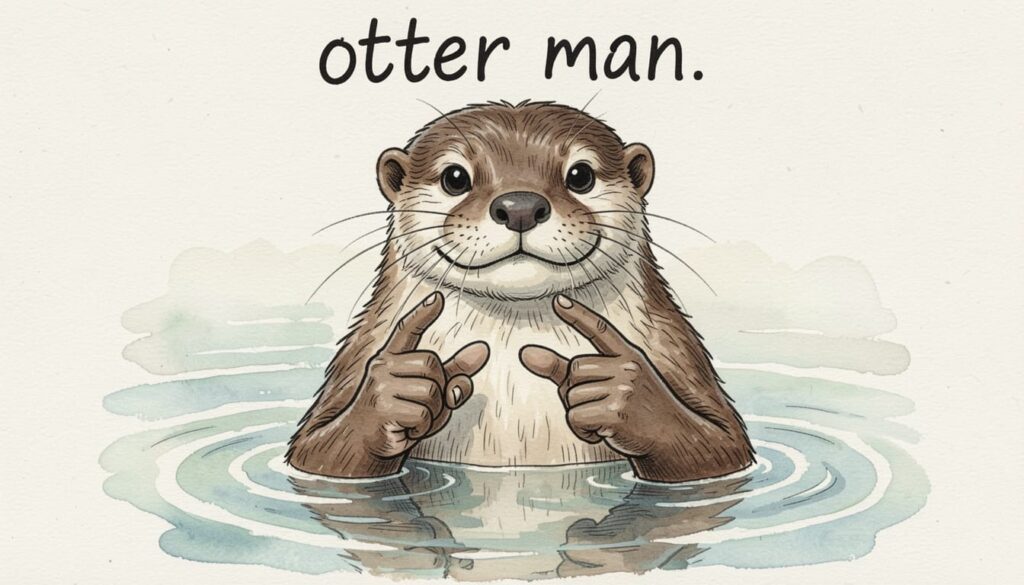
An otter man refers to a male who fits the traditional description of an otter body type. He is usually lean, naturally hairy, and has a masculine appearance without having the larger size associated with bears.
Common characteristics associated with an otter man include:
- Slim or medium body build
- Visible chest, arm, or facial hair
- Natural appearance
- Less bulky than a bear
- More mature appearance than a typical twink
However, body types vary greatly, and not every person who identifies as an otter will look exactly the same. The term is more about community recognition and personal identity than a strict physical definition.
Otter Body Type Male: Features and Characteristics
The otter body type male is generally described as a man who has a combination of a lean physique and natural body hair. This body type is often seen as a middle ground between smaller, slimmer categories and larger, heavier body types.
Typical features may include:
- A slim or athletic frame
- Moderate muscle definition
- Natural body hair
- Average height and weight range
- A masculine but less bulky appearance
The popularity of the otter body type shows how people use different labels to celebrate a variety of appearances. These terms allow individuals to describe themselves and their preferences in a simple way.
Otter vs Bear vs Wolf: Understanding Different LGBT Body Types
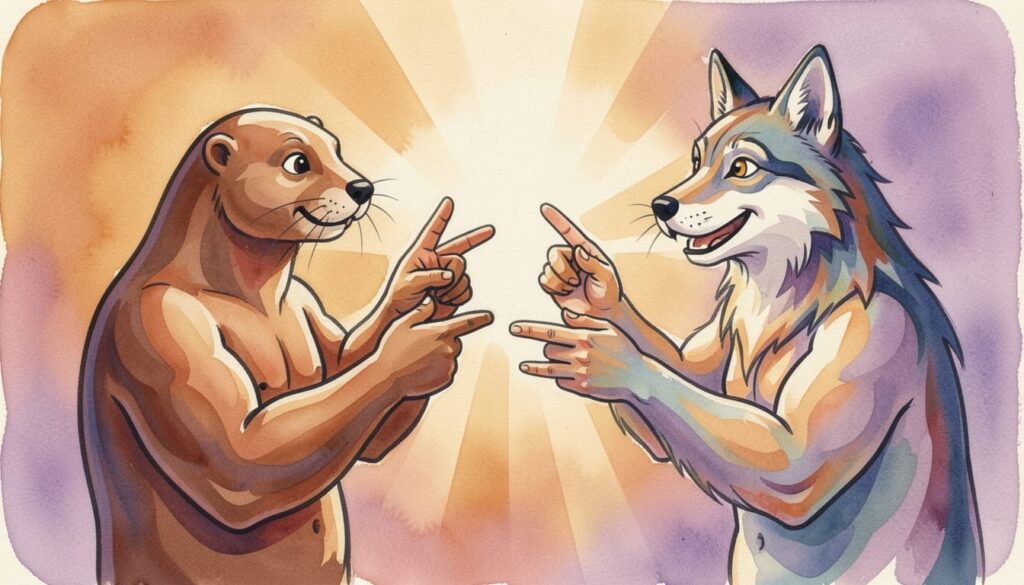
The terms otter, bear, and wolf are often compared because they describe different male appearances within LGBTQ+ culture.
Otter:
- Lean or average build
- Hairy body
- Less muscular and smaller than a bear
Bear:
- Larger or heavier body type
- Usually very hairy
- Broad or stocky appearance
Wolf:
- Athletic or muscular build
- Hairy appearance
- Often considered between an otter and bear
These labels are flexible and can overlap. They are not rules but simply ways people describe their appearance and preferences.
Otter Meaning as an Animal
Before becoming an LGBT slang term, an otter was simply an animal. Otters are semi-aquatic mammals known for their playful behavior, intelligence, and strong connection with water.
Some interesting facts about otters include:
- They are excellent swimmers
- They use tools to open food sources
- They are social and playful animals
- They live near rivers, lakes, and oceans
The animal meaning of otter is completely different from its slang meaning, but the word became popular because the physical description of some men was compared with the animal’s smaller and energetic characteristics.
Spiritual Meaning of Otter Symbolism
The spiritual meaning of otter is often connected with happiness, playfulness, emotional balance, and creativity. In some spiritual traditions, the otter represents enjoying life, building relationships, and finding joy in simple moments.
Common symbolic meanings of otters include:
- Joy and happiness: Otters are known for their playful nature.
- Emotional connection: They often represent friendship and family bonds.
- Adaptability: Their ability to live on land and water symbolizes flexibility.
- Creativity: Their intelligence and problem-solving skills represent imagination.
For people interested in animal symbolism, seeing an otter may be interpreted as a reminder to stay positive, connected, and open to new experiences.
Meaning & Definition of Otter Slang
The otter slang meaning is most commonly associated with LGBTQ+ culture, especially within the gay community. An otter refers to a man who has a naturally lean, slim, or athletic body with noticeable body hair but is not heavily muscular.
The term sits between two other popular body-type labels:
- Bear – Larger and very hairy.
- Cub – A younger or smaller bear.
- Otter – Slim, fit, and hairy.
- Wolf – Lean, masculine, and often rugged.
Unlike many slang words, “otter” is generally descriptive rather than insulting. It is usually considered a compliment because it describes a naturally fit appearance.
Simple Definition
Otter (slang): A lean, hairy man, commonly used in LGBTQ+ communities to describe a specific body type.
Example Sentences
- “He’s definitely an otter.”
- “Most people think he’s an otter rather than a bear.”
- “His dating profile says he’s an otter.”
Outside LGBTQ+ communities, some people also use the word humorously to describe someone with similar physical features.
Background of Otter Slang
The slang developed within LGBTQ+ communities during the late 1990s and early 2000s. As different body types became common ways to describe people in dating spaces, communities began creating labels that celebrated various appearances.
Originally, many people were familiar with the term bear, referring to larger, hairy men. However, not everyone fit that description. Leaner but still hairy men needed a separate category, leading to the creation of otter.
The name likely comes from the real animal, which is naturally slim, active, and covered with fur. The comparison made the nickname easy to remember.
As LGBTQ+ culture became more visible online, the slang spread through:
- Dating apps
- Reddit discussions
- Twitter/X
- TikTok
- Online forums
Today, many people outside LGBTQ+ spaces recognize the term even if they don’t personally use it.
Usage in Different Contexts

Although the word has one primary slang meaning, its interpretation depends on where you encounter it.
Chat Conversations
Friends may jokingly describe someone’s appearance.
Example:
- “He’s totally an otter.”
Here, the speaker is simply describing someone’s body type.
Social Media
On Instagram or TikTok, users often include the word in:
- Bios
- Hashtags
- Profile descriptions
- Comments
Example:
“Gym lover • Otter • Coffee addict”
This tells others how the person identifies physically.
Dating Apps
Dating apps frequently use body-type labels.
Example:
- Bear
- Otter
- Twink
- Wolf
- Jock
These descriptions help people communicate appearance quickly.
Professional Fields
Outside internet slang, “otter” simply refers to the animal. Professional industries such as biology, wildlife conservation, or environmental science never use it with the slang meaning.
Otter Slang Meaning in Chat, WhatsApp, Instagram & TikTok
Different platforms use the slang in slightly different ways.
Chat
Friends may casually say:
“You look like an otter.”
Usually, this is descriptive rather than offensive.
In private conversations, someone may ask:
“Is he an otter or a bear?”
They’re comparing body types.
Instagram bios sometimes include:
- Otter
- Proud Otter
- Gay Otter
These are forms of self-identification.
TikTok
TikTok creators often explain LGBTQ+ terminology or joke about body-type categories.
Examples include:
- “Signs you’re an otter.”
- “Dating an otter.”
- “Otter vs Bear.”
Meaning in Physics, Medical, and Aircraft Terminology
Many readers wonder whether “otter” has technical meanings outside slang.
Physics
There is no recognized physics definition of “otter.”
Medical Field
There is no official medical abbreviation meaning “otter.”
If the word appears in medical discussions, it almost always refers to the actual animal or a proper name.
Aircraft Terminology
The word appears in aviation as part of aircraft names, such as the De Havilland Canada DHC-3 Otter and the Twin Otter aircraft. In aviation, it is simply a model name and has no slang meaning.
Common Misconceptions
Many misunderstand the slang because they only know the animal.
Misconception 1
It means someone loves otters.
Reality: Usually, it describes a body type.
Misconception 2
It’s an insult.
Reality: Most people use it positively or neutrally.
Misconception 3
Anyone can be called an otter.
Reality: The slang has a specific meaning related to appearance.
Misconception 4
It’s only used online.
Reality: It also appears in real-life conversations and LGBTQ+ communities.
Similar Terms & Alternatives
Several slang words describe similar body types.
| Term | Meaning |
|---|---|
| Bear | Large, heavy, hairy man |
| Cub | Younger or smaller bear |
| Wolf | Lean, rugged, masculine man |
| Twink | Young, slim, little body hair |
| Jock | Athletic, muscular person |
| Hunk | Attractive, muscular man |
These labels describe different appearances rather than personalities.
How to Respond to Otter Slang
If someone uses the word, your response depends on the conversation.
Examples:
- “Oh, I didn’t know that term.”
- “Thanks for explaining.”
- “Interesting—I always thought it meant the animal.”
- “That’s a new slang word for me.”
If someone calls you an otter and you are unsure what they mean, it’s perfectly acceptable to ask:
“What do you mean by otter?”
Most people will happily explain the context.
Differences from Similar Words
Although people sometimes confuse these labels, they have distinct meanings.
| Word | Main Difference |
|---|---|
| Otter | Slim and hairy |
| Bear | Larger and hairy |
| Twink | Slim with little body hair |
| Wolf | Lean and rugged |
| Jock | Athletic and muscular |
The biggest difference is that otter emphasizes a lean physique combined with noticeable body hair.
Relevance in Online Conversations & Dating Apps
The otter slang meaning is especially relevant on dating platforms because users often describe themselves using community-recognized labels.
You’ll commonly see:
- “Otter looking for friends.”
- “Bear seeking otter.”
- “Proud otter.”
- “Otter energy.”
These labels help people communicate preferences and identity quickly without lengthy descriptions.
Outside dating apps, social media creators use the term in educational videos, memes, and LGBTQ+ discussions, making it more familiar to a wider audience.
Frequently Asked Questions (FAQs)
- What does otter slang mean?
It usually refers to a lean, hairy man, especially in LGBTQ+ communities. - Is otter slang offensive?
No. It is generally considered a neutral or positive description. - Is otter slang used on TikTok and Instagram?
Yes. It commonly appears in profiles, hashtags, memes, and videos discussing body types or LGBTQ+ culture. - Does otter have a meaning in medicine or physics?
No. It has no recognized slang meaning in those technical fields. - What is the difference between an otter and a bear?
An otter is lean and hairy, while a bear is typically larger, heavier, and hairy.
Conclusion
The otter slang meaning is much more than the name of an animal. In modern internet culture, especially within LGBTQ+ communities, it describes a lean, naturally hairy man and serves as one of several body-type labels used in conversations and dating apps. Although the term may seem confusing at first, understanding its background and context makes online interactions easier to follow.
If you encounter it on TikTok, Instagram, WhatsApp, Reddit, or dating platforms, recognizing the intended meaning helps avoid misunderstandings. Like many slang expressions, context is important. In technical fields such as physics, medicine, and aviation, the word usually keeps its literal or official meaning. Knowing these differences allows you to interpret the word correctly and communicate with greater confidence in both casual and online conversations.
Discover More Articles:
- CNC Slang Definition: How People Use It in Conversations
- MK Meaning in Chat: Simple Explanation with Examples
- Snack Slang Meaning: Texts, Social Media & Modern Chat Culture

Hi, I’m James Richardson, the creator of GrammarNestz.com. My mission is to help students, writers, and language enthusiasts improve their English grammar skills through practical guides, easy lessons, and useful learning resources.