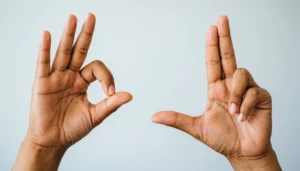
Snake slang meaning can be confusing because the word “snake” has both a literal meaning and several informal meanings in modern communication. Literally, a snake is a long, legless reptile. But when someone calls another person a “snake,” they are usually talking about that person’s behavior, loyalty, or trustworthiness, not an actual animal.
In everyday slang, calling someone a snake often suggests that they are sneaky, dishonest, disloyal, deceptive, or likely to betray someone. The term is common in text messages, social media comments, friendships, relationships, music, movies, gaming communities, and online conversations.
For example, if a friend secretly shares your private information with someone else, you might hear, “You’re such a snake.” The word can sound playful between friends, but it can also be a serious insult depending on the situation.
This guide explains the snake slang meaning, where the expression comes from, how people use it, examples from different contexts, related terms, common misunderstandings, and how to respond when someone calls you a snake.
What Does Snake Mean in Slang?
In slang, “snake” usually describes a person who is considered dishonest, sneaky, manipulative, or disloyal.
The expression is often connected with the idea of someone secretly doing something harmful while pretending to be friendly.
Simple definition
Snake slang meaning: A person who acts friendly or trustworthy but secretly deceives, betrays, or harms someone.
For example:
- “He told everyone my secret. What a snake.”
- “I thought she was my friend, but she turned out to be a snake.”
- “Don’t trust him; he’s a snake.”
- “My teammate went behind my back. Total snake behavior.”
The word does not always mean that someone is completely evil. Sometimes people use it casually when a person has simply acted sneakily or unfairly.
Why Is Someone Called a “Snake”?
The slang meaning is strongly connected to the way snakes are traditionally viewed in popular culture.
Snakes can move quietly and unexpectedly. Because of this, they have often been associated with secrecy, danger, deception, and betrayal in stories and symbolism.
When the word became associated with human behavior, calling someone a snake became a way of saying:
- They cannot be trusted.
- They act differently behind your back.
- They hide their real intentions.
- They may betray you when you least expect it.
- They pretend to be your friend while working against you.
Imagine two friends who appear close. One friend secretly talks badly about the other and shares their private information. When the second friend discovers what happened, they might say:
“I trusted you. You’re a snake.”
Here, “snake” does not describe an animal. It describes betrayal and deceptive behavior.
Snake Slang Meaning in Texting and Chat
In texting, “snake” is often used as a short way to accuse someone of being disloyal or deceptive.
You might see messages such as:
- “Bro, you’re a snake ”
- “Why would you tell her? Snake!”
- “I knew he was a snake.”
- “That was some snake behavior.”
- “Don’t trust that guy. He’s a snake.”
The tone depends heavily on the conversation.
It can be serious
“You told my personal business to everyone. You’re a snake.”
This indicates genuine anger or disappointment.
It can be playful
“You ate the last slice of pizza without me. You snake ”
Here, the speaker is probably joking.
It can be teasing
Friends sometimes call each other “snakes” after harmless betrayals, such as stealing a game-winning move or revealing a small surprise.
Therefore, you should consider the context, relationship, and tone before deciding whether “snake” is an insult.
Snake Slang Meaning on Social Media
On platforms such as TikTok, Instagram, Snapchat, X, and Facebook, “snake” is commonly associated with fake friends and betrayal.
Someone might post:
“You learn who the snakes are when things get difficult.”
This means difficult situations can reveal which people are genuinely loyal and which people are pretending.
Another common style is:
“Cutting off all the snakes in my life.”
This means the person is distancing themselves from people they believe are dishonest, fake, or harmful.
Snake emojis
The snake emoji can also communicate similar ideas.
Depending on the context, may represent:
- A fake friend
- Betrayal
- A dishonest person
- Someone who talks behind your back
- A manipulative person
- Someone who cannot be trusted
- A playful accusation
For example:
“I know what you did ”
The emoji can make the message sound more indirect or dramatic.
However, the snake emoji does not always have a negative meaning. Some people use simply because they like snakes, use it as part of a username, or refer to an actual snake.
Snake Slang Meaning in Relationships
The word “snake” can appear frequently in conversations about friendships and romantic relationships.
If someone secretly flirts with another person’s partner, lies about their actions, or betrays a close friend, people may describe them as a snake.
For example:
“He knew she was my girlfriend and still tried to date her. He’s a snake.”
In this example, “snake” means someone who behaved dishonestly and disloyally.
In friendships
A friend may be called a snake if they:
- Share private conversations.
- Spread rumors.
- Talk badly about you behind your back.
- Reveal your secrets.
- Pretend to support you while secretly working against you.
- Take advantage of your trust.
In romantic relationships
The term may describe someone who:
- Lies to their partner.
- Cheats.
- Secretly pursues someone else’s partner.
- Hides important information.
- Betrays someone’s trust.
Still, calling someone a snake is an accusation. It is better to understand what actually happened before using the label.
Snake Meaning in Gaming
“Snake” can also appear in gaming communities, although the exact meaning varies.
Players may call another player a snake when they believe that person has betrayed a teammate, switched sides, acted deceptively, or made a sneaky move.
For example:
“You joined our team and then attacked us? Snake!”
In multiplayer games, strategy games, and social-deduction games, deception can be part of the gameplay. In those situations, “snake” may be more playful than serious.
A player might also describe a clever opponent as a “snake” because they moved secretly or surprised everyone.
Snake Meaning in Music and Pop Culture
“Snake” has long been used in songs, movies, television shows, books, and other forms of popular culture to represent deception, betrayal, or dangerous behavior.
The metaphor works because people often imagine a snake as something that can remain hidden and strike unexpectedly.
In pop culture, a “snake” character may be:
- A traitor
- A secret enemy
- A manipulator
- A dishonest friend
- A rival pretending to be an ally
- Someone with hidden intentions
This symbolism is one reason the slang meaning remains easy for people to understand even when they encounter it for the first time.
Is Calling Someone a Snake an Insult?
Usually, yes.
When “snake” is used to describe a person, it is generally negative slang. It suggests that the person has behaved in a way that makes them difficult to trust.
However, the seriousness depends on context.
| Situation | Likely meaning |
|---|---|
| Serious argument | Strong accusation of betrayal |
| Friendly teasing | Playful accusation |
| Social media post | Often refers to fake or disloyal people |
| Gaming | May mean deceptive or sneaky player |
| Relationship conflict | Often means betrayal or dishonesty |
| Actual snake discussion | Literal animal, not slang |
So, if someone says “you snake!” while laughing with a friend, it may not be a serious insult. If someone says it during an argument, it can be much more offensive.
Snake vs. Fake Friend
“Snake” and “fake friend” are closely related, but they are not exactly the same.
A fake friend is someone who pretends to care about you but does not genuinely support you.
A snake is often someone who actively betrays, deceives, or acts against you, especially after gaining your trust.
Example
A person who only talks to you when they need something might be called a fake friend.
A person who pretends to support you but secretly shares your private information with your enemies might be called a snake.
Someone can be both.
Snake vs. Backstabber
Another related word is backstabber.
A backstabber is someone who betrays another person, especially secretly.
For example:
“She acted like my friend but complained about me to the manager.”
Someone might call that person a backstabber or a snake.
The difference is mainly in emphasis:
- Snake: highlights sneaky, deceptive, or untrustworthy behavior.
- Backstabber: specifically emphasizes betrayal.
- Fake friend: emphasizes pretending to be a friend.
- Liar: emphasizes dishonesty.
- Two-faced: emphasizes behaving differently with different people.
These terms overlap, but they are not perfect synonyms.
Related Slang Words for Snake
If you’re learning internet slang, these related expressions can help you understand conversations more easily.
1. Fake
Someone who is pretending or not genuine.
Example:
“Stay away from fake people.”
2. Two-faced
Someone who acts one way around you and another way behind your back.
Example:
“He’s so two-faced.”
3. Backstabber
Someone who secretly betrays you.
Example:
“I trusted her, but she was a backstabber.”
4. Shady
Someone or something suspicious or questionable.
Example:
“That whole situation seems shady.”
5. Sneaky
Someone who does things secretly.
Example:
“That was a sneaky move.”
6. Traitor
Someone who betrays a person, group, or cause.
Example:
“They called him a traitor after he switched sides.”
7. Manipulative
Someone who tries to control others through deceptive or unfair methods.
Example:
“His behavior was manipulative.”
Common Examples of Snake Slang
Here are some natural examples to help you understand the expression.
Example 1: Betraying a friend
“I told him something privately, and he told everyone. What a snake.”
Meaning: The person betrayed the speaker’s trust.
Example 2: Dating situation
“She knew he was my boyfriend, but she still flirted with him. She’s a snake.”
Meaning: The speaker considers her behavior disloyal.
Example 3: Gaming
“You promised you wouldn’t attack us, then you did it anyway. Snake!”
Meaning: The player acted deceptively.
Example 4: Workplace
“He acted like he supported my idea but then criticized me behind my back. He’s a snake.”
Meaning: The coworker appeared supportive but secretly acted against the speaker.
Example 5: Playful conversation
“You finished the cookies without saving me one. You snake ”
Meaning: A humorous accusation rather than serious betrayal.
How to Respond When Someone Calls You a Snake
Your response should depend on whether the accusation is serious or playful.
If they are joking
You can respond with humor:
- “Caught me ”
- “You know me too well.”
- “I had no choice!”
- “Guilty!”
- “It was just one cookie!”
If they are serious
Stay calm and ask what happened:
“Why do you feel that I betrayed you?”
Or:
“Tell me what I did that made you feel that way.”
This can turn an emotional argument into a clearer conversation.
If the accusation is false
You can calmly explain your side:
“I understand why you’re upset, but I didn’t do that. Let me explain what happened.”
Avoid immediately insulting the other person in return. That can make the situation worse.
Common Misunderstandings About Snake Slang
Misunderstanding 1: It always means a terrible person
Not necessarily. “Snake” can be playful slang among friends.
Misunderstanding 2: It always means someone cheated
No. A snake can refer to many forms of betrayal, including lying, gossiping, exposing secrets, or acting against someone.
Misunderstanding 3: The snake emoji always means betrayal
Not always. can literally represent a snake or be used for other personal or cultural reasons.
Misunderstanding 4: Snake and liar mean exactly the same thing
They overlap, but “snake” usually carries an additional idea of sneakiness, betrayal, or hidden intentions.
Misunderstanding 5: The meaning is identical everywhere
Slang changes according to community, age group, country, platform, and context. Always look at the surrounding conversation.
Why Is “Snake” Still Popular Slang?

One reason is that the metaphor is easy to understand.
People immediately connect the word with ideas such as:
hidden → sneaky → unexpected → dangerous → untrustworthy
Social media has also helped short expressions become popular because users often communicate with a few words or even a single emoji.
Instead of writing:
“I believe this person pretended to be my friend while secretly betraying me.”
Someone can simply write:
“Snake ”
The shorter expression communicates a strong emotional message.
Snake Slang Meaning in Gen Z and Internet Culture
In modern internet culture, “snake” can appear alongside terms such as fake, shady, sus, two-faced, toxic, and backstabber.
You may see it in:
- TikTok captions
- Instagram stories
- Snapchat messages
- Group chats
- Gaming chats
- Memes
- Comments
- Relationship discussions
- Friendship drama
However, it is important not to assume that every use is serious. Internet language frequently exaggerates emotions for humor, entertainment, or dramatic effect.
How to Know What “Snake” Means in a Conversation
When you see the word “snake,” ask yourself three questions:
1. Is the person talking about an animal?
If they are discussing wildlife, pets, nature, or reptiles, “snake” probably has its literal meaning.
2. Is the word describing a person?
If someone says, “He is a snake,” it probably has a slang meaning related to dishonesty or betrayal.
3. Is the tone serious or humorous?
Look at emojis, punctuation, previous messages, and the relationship between the speakers.
For example:
“You’re a snake ”
is very different from:
“You betrayed my trust. You’re a snake.”
Understanding context is the key to understanding slang correctly.
Snake Slang Meaning: Quick Summary
Here is the meaning in simple terms:
| Term | Meaning |
|---|---|
| Snake | A sneaky or untrustworthy person |
| Snake behavior | Deceptive or disloyal actions |
| Snake | Often symbolizes betrayal or a fake person |
| Fake friend | Someone pretending to be a genuine friend |
| Backstabber | Someone who secretly betrays another person |
| Two-faced | Someone who behaves differently behind someone’s back |
| Shady | Suspicious or questionable |
| Sneaky | Acting secretly or deceptively |
Frequently Asked Questions
1. What is the snake slang meaning?
The slang meaning of “snake” usually refers to a person who is sneaky, dishonest, deceptive, or disloyal. It often describes someone who betrays another person’s trust.
2. Is “snake” a bad word?
When used to describe a person, “snake” is generally a negative term. However, friends may sometimes use it jokingly or playfully.
3. What does mean in texting?
The snake emoji can represent a literal snake, but in some conversations it symbolizes betrayal, dishonesty, sneakiness, or a fake person.
4. What does it mean when someone calls you a snake?
They usually mean that they believe you have acted dishonestly, secretly, or disloyally. The exact meaning depends on what happened and the context.
5. Is snake slang the same as “backstabber”?
They are similar but not identical. A backstabber specifically emphasizes betrayal, while “snake” can also emphasize sneakiness and deceptive behavior.
6. Can “snake” be used as a joke?
Yes. Friends sometimes call each other snakes after harmless acts of betrayal, such as taking the last piece of food or making a playful surprise move in a game.
7. Why do people use snakes to represent betrayal?
Snakes have long been used in stories and symbolism to represent deception, danger, secrecy, and betrayal. This cultural association helped “snake” become a metaphor for an untrustworthy person.
Conclusion
Understanding the snake slang meaning is easier when you focus on the context. In most informal conversations, calling someone a “snake” means that the person is considered sneaky, deceptive, fake, disloyal, or capable of betrayal. The expression can describe serious behavior, such as exposing someone’s secrets, or something much lighter, such as a friend making a playful move in a game.
The word is especially common in texting, social media, relationships, friendships, gaming, memes, and online conversations. The emoji can communicate a similar idea, although it does not always have a negative meaning.
If you see “snake” used online, don’t immediately assume it is an insult. Check who is speaking, what happened before the message, and whether the tone is serious or humorous.
The best way to understand slang is to look beyond the individual word and consider the full context. Once you recognize the connection between “snake,” betrayal, sneakiness, and fake behavior, you’ll be able to understand this popular slang expression much more easily.
Discover More Articles:
- GIF Slang Meaning Explained: How People Use GIFs Online
- Kitchen Slang Meaning in Text, Chat, TikTok & Social Media
- Furry Slang Meaning: Everything About This Popular Internet Term

Hi, I’m James Richardson, the creator of GrammarNestz.com. My mission is to help students, writers, and language enthusiasts improve their English grammar skills through practical guides, easy lessons, and useful learning resources.