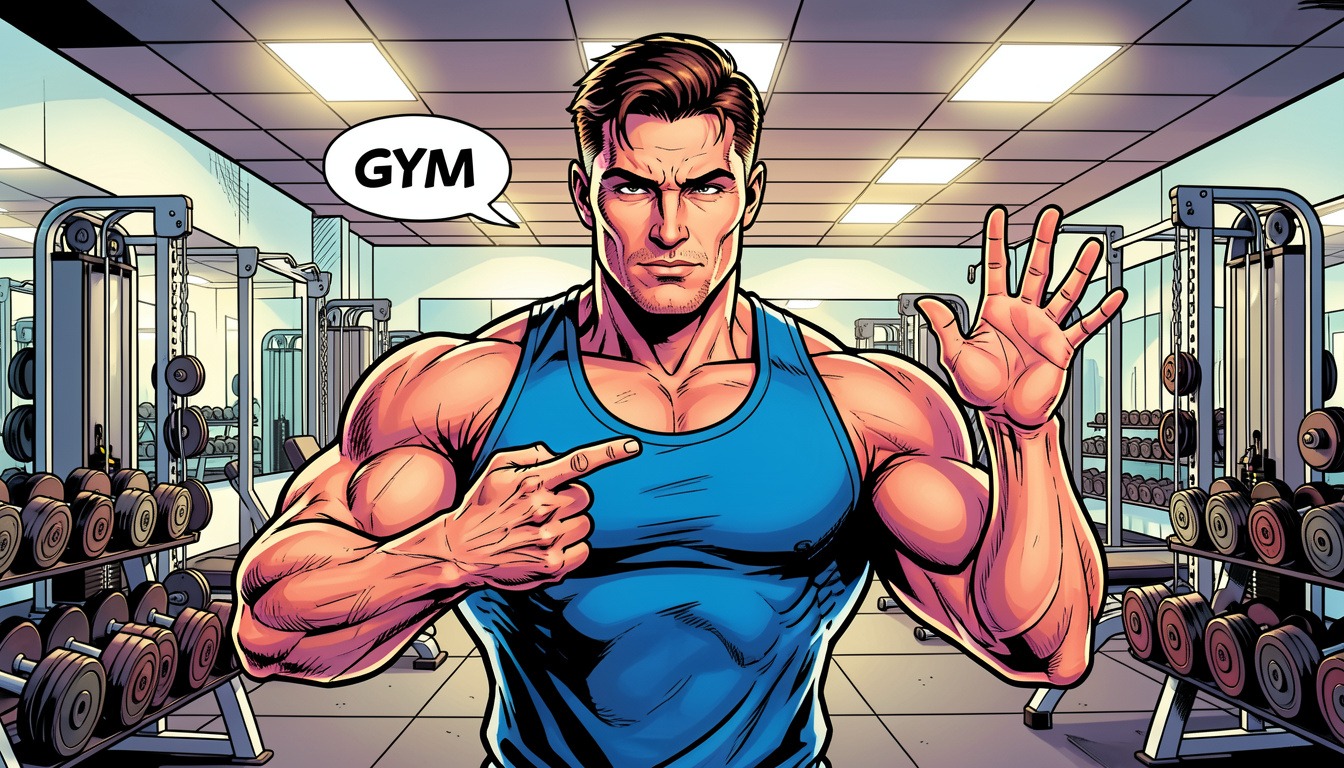
Gym slang meaning can be confusing when you first start working out. Walk into a gym, open a fitness group chat, or watch workout content on TikTok, and you may hear words like “gains,” “PR,” “cut,” “bulk,” “natty,” “beast mode,” or “swole.” These terms are common in fitness culture, but their meanings are not always obvious to beginners.
Learning gym slang makes it easier to understand conversations about workouts, bodybuilding, strength training, nutrition, and fitness goals. It can also help you communicate more naturally with gym friends and understand captions, memes, and comments on social media.
In this guide, we’ll explain the most common gym slang words and phrases in simple English. Whether you’re a beginner, regular gym-goer, bodybuilder, or simply curious about fitness terminology, you’ll find practical definitions and examples here.
What Does Gym Slang Mean?
Gym slang refers to informal words, expressions, abbreviations, and phrases commonly used by people who exercise or participate in fitness culture.
Unlike formal fitness terminology, gym slang is usually casual and conversational. Some expressions describe physical results, while others refer to exercises, workout routines, nutrition, motivation, or gym behavior.
For example:
- Gains = muscle or strength improvements
- PR = personal record
- Bulking = intentionally eating more to support muscle growth
- Cutting = reducing calories to lose body fat while maintaining muscle
- Swole = noticeably muscular or pumped
- Natty = natural, usually referring to someone who does not use anabolic steroids
- Beast mode = a highly focused or intense workout mindset
The exact meaning can sometimes depend on context.
Why Is Gym Slang So Popular?
Gym slang has become a major part of modern fitness culture. You can find it in gyms, fitness communities, YouTube videos, Instagram captions, TikTok comments, Reddit discussions, and workout apps.
There are several reasons these expressions became popular.
1. It Makes Communication Faster
Instead of saying, “I achieved my highest-ever weight on this exercise,” someone can simply say:
“I hit a new PR.”
That’s much shorter and easier.
2. It Creates a Sense of Community
Using the same expressions can make people feel connected. Beginners gradually learn the language used by experienced gym-goers.
3. Social Media Made It More Popular
Fitness creators have helped spread gym terminology worldwide. Words that were once mostly used by bodybuilders or weightlifters can now appear in everyday social media conversations.
4. Gym Culture Has Its Own Humor
Many gym slang terms are humorous. Expressions such as “skipping leg day” and “ego lifting” are often used jokingly while still communicating a real idea.
Common Gym Slang Words and Their Meanings
Here are some of the most common terms you’ll encounter.
| Gym Slang | Meaning |
|---|---|
| Gains | Muscle or strength progress |
| PR | Personal record |
| Rep | Repetition of an exercise |
| Set | Group of repetitions |
| Pump | Temporary feeling/fullness in a muscle after training |
| Swole | Very muscular or visibly pumped |
| Shredded | Extremely lean and muscular-looking |
| Jacked | Very muscular |
| Ripped | Lean with visible muscle definition |
| Bulking | Eating more calories to support muscle growth |
| Cutting | Eating fewer calories to reduce body fat |
| Natty | Natural, without anabolic steroids |
| Beast mode | Extremely focused or intense effort |
| Ego lifting | Using excessive weight with poor form |
| Bro science | Fitness claims based more on gym anecdotes than strong evidence |
| Leg day | Workout focused mainly on the legs |
| Skip leg day | Joke about avoiding leg workouts |
| Gym bro | Casual term for a male gym enthusiast |
| Noob | Beginner or inexperienced person |
| Spot | Help someone during a difficult lift |
| Failure | Point where another proper repetition cannot be completed |
| Form | The technique used to perform an exercise |
| Macros | Protein, carbohydrates, and fats |
| Recomp | Changing body composition by gaining muscle and losing fat |
| PR attempt | Attempting a personal best |
Gym Slang Meaning of “Gains”
Gains is one of the most popular gym slang terms.
It usually refers to improvements in muscle size, strength, fitness, or physical performance.
For example:
“I’ve been training consistently for six months and I’m finally seeing some gains.”
In this sentence, “gains” means noticeable progress.
The word doesn’t necessarily mean gaining muscle only. Someone might talk about:
- Strength gains
- Muscle gains
- Weight-loss gains
- Performance gains
- Endurance gains
However, in bodybuilding conversations, “gains” most commonly refers to muscle growth.
What Does PR Mean in the Gym?
PR stands for personal record.
It refers to the best performance you’ve achieved in a particular exercise or activity.
For example, if you previously lifted 80 kg on the bench press and successfully lift 85 kg, you could say:
“I hit a new bench PR today!”
Depending on the fitness community, you may also hear PB, meaning personal best.
PRs can include:
- Heaviest weight lifted
- Fastest running time
- Most repetitions
- Longest distance
- Best competition performance
What Does “Pump” Mean in Gym Slang?
A pump describes the temporary feeling of increased fullness and tightness in a muscle during or shortly after resistance training.
For example:
“My arms have a crazy pump after that workout.”
During training, increased blood flow and other physiological changes can make the trained muscle appear larger temporarily.
The pump can feel motivating, but it isn’t the same thing as permanent muscle growth.
What Does “Swole” Mean?

Swole is informal slang for looking very muscular, large, or heavily built.
Someone might say:
“He’s getting swole from all that lifting.”
It is usually positive and playful.
You may also see expressions such as:
- “Get swole.”
- “Feeling swole.”
- “Swole season.”
The term is particularly common in bodybuilding and online fitness communities.
“Jacked,” “Ripped,” “Shredded,” and “Swole”: What’s the Difference?
These words are often used interchangeably, but there are slight differences.
Jacked
Usually means very muscular or heavily built.
Ripped
Usually means muscular with low body fat and visible definition.
Shredded
Often means extremely lean with highly visible muscle definition.
Swole
Usually emphasizes muscle size or a muscular appearance, sometimes temporarily after a workout.
For example, someone can be jacked without being extremely lean, while someone described as shredded usually has both significant muscle definition and low body fat.
What Does “Bulking” Mean?
Bulking is a fitness term for a phase in which someone intentionally consumes more calories to support muscle growth.
A traditional bulk may involve:
- Resistance training
- Adequate protein
- A calorie surplus
- Sufficient recovery
- Progressive training
The goal is generally to gain muscle, although some fat gain may also occur.
Example:
“I’m bulking right now, so I’m focusing on gaining muscle and getting stronger.”
Some people use the terms clean bulk or lean bulk for a more controlled approach to gaining muscle with limited unnecessary weight gain.
What Does “Cutting” Mean?
Cutting generally refers to a period of eating fewer calories with the goal of reducing body fat while trying to maintain as much muscle and strength as possible.
Someone might say:
“I finished my bulk, and now I’m starting a cut.”
A typical cutting phase may involve:
- A calorie deficit
- Adequate protein
- Resistance training
- Cardio, depending on the person’s goals
- Proper recovery
Bulking and cutting are popular concepts in bodybuilding, although they are not necessary for everyone.
What Does “Natty” Mean?
Natty is short for natural.
In gym culture, it usually describes someone who claims to build their physique without anabolic steroids or other performance-enhancing drugs.
For example:
“Is he natty?”
This question means:
“Does he train and build his physique naturally without using anabolic steroids or similar substances?”
The term is especially common in bodybuilding and online fitness discussions.
However, claims about whether someone is “natty” cannot always be verified simply by looking at their body.
What Does “Beast Mode” Mean?
Beast mode describes an extremely focused, aggressive, or intense approach to training.
For example:
“I put my phone away and went into beast mode during today’s workout.”
It is motivational slang rather than a technical fitness term.
People may use it in:
- Gym captions
- Motivational posts
- Workout videos
- Fitness memes
- Training conversations
What Is Ego Lifting?
Ego lifting means attempting to lift weights that are too heavy to perform with proper technique, often because the person wants to appear stronger.
For example, someone may load a bar with an excessive amount of weight and use momentum or poor form to complete a repetition.
The phrase is often used critically:
“Don’t ego lift. Focus on your form.”
Good technique is generally more important than impressing other people in the gym.
What Does “Bro Science” Mean?
Bro science is humorous gym slang for fitness advice based mainly on personal experiences, rumors, traditions, or gym culture rather than reliable scientific evidence.
For example:
“Drinking this special shake will automatically make you huge.”
If there is no credible evidence behind the claim, someone might jokingly call it “bro science.”
The term doesn’t mean that everything experienced gym-goers say is wrong. It simply highlights the difference between anecdotal advice and evidence-based information.
What Does “Spot Me” Mean?
Spot me means asking another person to assist you during an exercise if you struggle to complete the movement safely.
You may hear:
“Can you spot me on bench?”
A spotter can be particularly useful for exercises where failing under a heavy load could create a safety problem.
A spotter should understand how to assist appropriately rather than unnecessarily lifting the weight for the person.
What Does “Failure” Mean in Gym Slang?
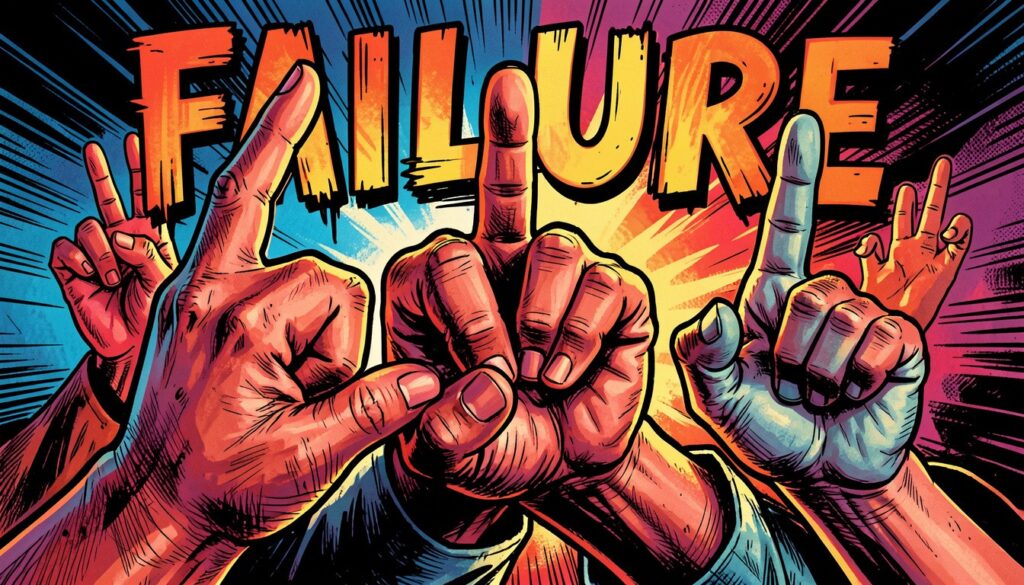
In resistance training, failure generally means reaching the point where you cannot complete another repetition with proper technique.
For example:
“I took the final set to failure.”
This doesn’t necessarily mean the person is physically exhausted in every possible sense. It usually refers to muscular or technical inability to complete another acceptable repetition.
Training to failure is a specific training approach and isn’t required for every exercise or every set.
What Does “Leg Day” Mean?
Leg day is a workout session focused primarily on the lower body.
Common exercises associated with leg day include:
- Squats
- Lunges
- Leg presses
- Romanian deadlifts
- Leg curls
- Leg extensions
- Calf raises
You might see the joke:
“Never skip leg day.”
It means people shouldn’t focus only on their upper body while ignoring their legs.
What Does “Skip Leg Day” Mean?
Skip leg day is both gym slang and a popular internet joke.
It describes someone who trains their upper body frequently but rarely trains their legs.
A person with a very developed upper body and relatively underdeveloped legs may jokingly be accused of “skipping leg day.”
Gym Slang Used in Social Media
Fitness slang has become especially common on TikTok, Instagram, YouTube, and other social platforms.
Some popular expressions include:
“Locked in”
Means being highly focused and committed to a goal.
“I’m locked in for the next 12 weeks.”
“Beast mode”
Means training with exceptional intensity or motivation.
“Gains”
Means progress, especially muscle or strength gains.
“PR”
Means personal record.
“Aesthetic”
Refers to a physique considered visually balanced or attractive.
“Shredded”
Means extremely lean and muscular-looking.
“Gym motivation”
Content designed to encourage people to train or stay committed to fitness goals.
Common Gym Abbreviations You Should Know
Gym conversations contain many abbreviations.
| Abbreviation | Meaning |
|---|---|
| PR | Personal Record |
| PB | Personal Best |
| 1RM | One-Rep Max |
| RPE | Rate of Perceived Exertion |
| ROM | Range of Motion |
| HIIT | High-Intensity Interval Training |
| LISS | Low-Intensity Steady-State Cardio |
| PPL | Push, Pull, Legs |
| AMRAP | As Many Reps As Possible |
| EMOM | Every Minute on the Minute |
| DOMS | Delayed Onset Muscle Soreness |
| BW | Body Weight |
| DB | Dumbbell |
| BB | Barbell |
| RM | Repetition Maximum |
Understanding these abbreviations can make workout programs much easier to follow.
Common Gym Phrases and Examples
Here are some phrases you may hear in everyday gym conversations.
“Hit a PR”
Meaning: Achieved a personal record.
Example:
“I hit a PR on squats today.”
“Get your gains”
Meaning: Work toward building muscle or improving strength.
Example:
“Eat well and train consistently to get your gains.”
“Don’t ego lift”
Meaning: Don’t use excessive weight at the expense of good technique.
Example:
“Lower the weight and don’t ego lift.”
“What’s your split?”
Meaning: What workout schedule or training split do you follow?
Example:
“What’s your split—PPL or upper/lower?”
“Are you cutting?”
Meaning: Are you currently trying to reduce body fat?
Example:
“Are you cutting for summer?”
“I’m bulking”
Meaning: I’m currently trying to gain muscle and body weight.
Gym Slang for Beginners
If you’re new to the gym, you don’t need to memorize everything immediately.
Start with these essential terms:
- Rep — one repetition
- Set — a group of repetitions
- PR — personal record
- Form — exercise technique
- Spot — assistance during a lift
- Pump — temporary muscle fullness after training
- Gains — progress
- Bulking — gaining muscle/weight
- Cutting — reducing body fat
- Failure — inability to complete another proper repetition
Once these become familiar, most gym conversations become much easier to understand.
Gym Slang vs. Formal Fitness Terms
Gym slang is casual, while formal fitness terminology is more precise.
| Gym Slang | More Formal Meaning |
|---|---|
| Gains | Improvements in muscle, strength, or performance |
| Swole | Muscular appearance |
| Pump | Acute muscle fullness during/after resistance exercise |
| Cutting | Fat-loss phase |
| Bulking | Muscle-gain phase |
| Natty | Natural athlete |
| Ego lifting | Excessive loading with compromised technique |
| Beast mode | Highly motivated/intense training |
| Bro science | Unsupported or anecdotal fitness claims |
This distinction is useful because slang can sometimes oversimplify complex fitness concepts.
Common Misconceptions About Gym Slang
Myth 1: “Gains” Always Means Muscle
Not necessarily. Gains can refer to strength, endurance, performance, or other forms of progress.
Myth 2: Being Swole Means Permanent Muscle Growth
Not always. Someone can look temporarily “swole” because of a workout pump.
Myth 3: Bulking Means Eating Anything You Want
A bulk doesn’t have to mean unlimited junk food. A controlled approach can focus on adequate nutrition and gradual progress.
Myth 4: Cutting Means Completely Avoiding Carbohydrates
Cutting generally involves managing calorie intake. It does not automatically require eliminating carbohydrates.
Myth 5: Looking Muscular Proves Someone Is Natty
Appearance alone cannot reliably establish whether someone uses performance-enhancing drugs.
Myth 6: More Weight Always Means a Better Workout
Not necessarily. Proper technique, appropriate loading, recovery, consistency, and programming all matter.
How to Use Gym Slang Naturally
If you’re learning gym slang, don’t force yourself to use every word.
Use expressions naturally when they fit the conversation.
For example:
Friend: “How was your workout?”
You: “Pretty good. I hit a new PR on bench.”
Or:
Friend: “Why are you eating so much?”
You: “I’m bulking right now.”
Or:
Friend: “Why did you lower the weight?”
You: “I was ego lifting, so I’m focusing on better form.”
The goal isn’t to sound like a fitness influencer. The goal is simply to understand and communicate naturally.
Related Gym and Fitness Terms
Besides slang, there are several fitness concepts worth learning.
Progressive Overload
Gradually increasing training demands over time to encourage adaptation.
Hypertrophy
The growth or enlargement of muscle tissue, commonly discussed in resistance training.
Calorie Deficit
Consuming fewer calories than the body uses over time.
Calorie Surplus
Consuming more calories than the body uses over time.
Recovery
The process through which the body adapts and recovers after training.
Mobility
The ability to move joints through an appropriate range of motion.
Conditioning
Training designed to improve physical work capacity and endurance.
Learning these terms alongside slang gives you a much stronger understanding of fitness conversations.
Frequently Asked Questions About Gym Slang Meaning
1. What does gym slang mean?
Gym slang refers to informal words, phrases, abbreviations, and expressions commonly used by people who exercise, lift weights, bodybuild, or participate in fitness culture.
2. What does “gains” mean in the gym?
“Gains” usually means progress, particularly muscle growth or strength improvement. It can also refer to improvements in endurance or overall fitness.
3. What does PR mean at the gym?
PR means personal record. It describes the best performance someone has achieved in a particular exercise or activity.
4. What does “swole” mean?
“Swole” is slang for looking very muscular or noticeably pumped. It is usually used in a casual or humorous way.
5. What does “natty” mean in fitness?
“Natty” is short for “natural.” In fitness culture, it usually refers to someone who claims not to use anabolic steroids or similar performance-enhancing drugs.
6. What does “bulking” mean?
Bulking is a phase in which someone intentionally increases calorie intake while resistance training to support muscle growth. Some weight gain may include both muscle and body fat.
7. What does “cutting” mean at the gym?
Cutting generally refers to a fat-loss phase where someone reduces calorie intake while attempting to preserve muscle through appropriate training and nutrition.
Conclusion:
Understanding gym slang meaning doesn’t require becoming a bodybuilding expert. Once you learn common terms such as gains, PR, pump, swole, jacked, ripped, bulking, cutting, natty, ego lifting, and beast mode, gym conversations become much easier to follow.
Remember that gym slang is informal. Different fitness communities may use the same word slightly differently, and social media can create new expressions quickly.
If you’re new to fitness, focus first on understanding the basic terminology rather than trying to use every slang word. Learn what the terms mean, pay attention to context, and prioritize safe training, good technique, consistency, nutrition, and recovery.
Whether you discovered these terms through a gym friend, Instagram, TikTok, YouTube, or a workout program, knowing the language can help you feel more comfortable in the fitness community.
The more you understand gym slang, the easier it becomes to understand modern fitness conversations—and the more confidently you can join them.
Discover More Articles:
- SNM Meaning in a Conversation: When and How to Use It
- HR Slang Meaning: 5 Common Ways People Use “HR” Online
- ITR Slang Meaning: How to Use ITR Correctly in a Conversation

Emily Thompson is an English language educator and grammar writer at grammarnestz.com. She specializes in grammar rules, vocabulary development, writing skills, and language-learning resources for students and professionals.