
Catatonia meaning refers to a serious neuropsychiatric syndrome that can affect a person’s movement, speech, behavior, and ability to respond to the world around them. Someone experiencing catatonia may become unusually still and quiet, stop speaking, hold an unusual position for a long time, or show little reaction to people and events. In other cases, catatonia can cause extreme agitation, repetitive movements, or unpredictable behavior.
Understanding what catatonia means is important because it is sometimes misunderstood as simply being unresponsive, stubborn, withdrawn, or “lost in thought.” In reality, catatonia is a medical condition that can occur alongside psychiatric, neurological, or other medical disorders and may require urgent treatment.
This guide explains the catatonia definition, symptoms, causes, types, diagnosis, treatment, common misconceptions, and frequently asked questions in simple language.
What Is the Meaning of Catatonia?
The simple catatonia meaning is a state in which a person experiences major changes in movement, behavior, speech, and responsiveness.
A person with catatonia may appear awake but have very little reaction to their surroundings. They might remain completely still, stare for long periods, stop talking, or maintain an unusual posture. However, catatonia does not always mean being motionless.
Some people experience the opposite: excessive movement, agitation, repetitive actions, or behavior that seems difficult to control.
Medical experts describe catatonia as a neuropsychiatric syndrome, meaning it involves both neurological and psychiatric features. It can occur with several different medical and mental health conditions rather than being a condition limited to schizophrenia.
Catatonia Definition in Simple English
In simple words:
Catatonia is a serious condition that changes how a person moves, communicates, behaves, and responds to their surroundings.
It can range from mild changes in movement and speech to severe symptoms that interfere with eating, drinking, communication, and basic self-care.
What Does Catatonia Look Like?
Catatonia can look very different from one person to another.
For example, imagine someone who normally talks, walks around, responds to questions, and interacts with family members. Suddenly, they become extremely quiet, stop responding to questions, remain in one position for hours, and barely move.
That could be a sign of catatonia.
Another person might instead become extremely restless, pace around repeatedly, make unusual movements, or become severely agitated without an obvious reason.
This is why recognizing catatonia is not always easy. It can involve either too little movement or too much movement.
Common Catatonia Symptoms
Healthcare professionals recognize a range of catatonic signs. The DSM-based criteria include 12 important features, and a person needs a specific combination of symptoms for a clinical diagnosis.
Common symptoms include:
- Stupor: Very little or no response to the environment.
- Mutism: Speaking very little or not speaking.
- Posturing: Holding a particular position for an unusually long time.
- Catalepsy: Maintaining a body position after someone else places the person in it.
- Waxy flexibility: Limbs may remain in a position after being moved by another person.
- Negativism: Resistance to instructions or external attempts to move the person.
- Stereotypy: Repetitive movements without an obvious purpose.
- Mannerisms: Unusual or exaggerated versions of normal actions.
- Grimacing: Holding unusual facial expressions.
- Echolalia: Repeating another person’s words.
- Echopraxia: Copying another person’s movements.
- Unexplained agitation: Excessive activity that does not appear to be a normal response to the environment.
A person does not need to experience every symptom to have catatonia.
Catatonia and Lack of Movement
One of the most common images associated with catatonia is a person sitting or standing completely still.
This is sometimes called withdrawn, foolish, or hypokinetic catatonia.
A person may:
- Sit in the same position for a long time
- Stare without responding
- Speak very little or not at all
- Refuse or be unable to eat or drink
- Maintain unusual postures
- Show very little facial expression
- Resist attempts to move them
- Appear disconnected from their surroundings
Importantly, this behavior should not automatically be interpreted as intentional refusal.
A person may be physically capable of movement but unable to respond normally because of the catatonic state.
Can Catatonia Cause Too Much Movement?
Yes.
This is one of the most important facts about catatonia meaning.
Catatonia is not always associated with silence and immobility. Some people develop excited or hyperkinetic catatonia, which can involve:
- Pacing
- Severe restlessness
- Repetitive movements
- Unusual speech
- Sudden agitation
- Impulsive behavior
- Aggressive behavior
- Excessive, purposeless activity
In some cases, a person can move from a withdrawn state to an excited state or show features of both.
Types of Catatonia
Catatonia is commonly discussed in terms of different clinical presentations.
1. Withdrawn or Akinetic Catatonia
This form is associated with reduced movement and communication.
A person may:
- Become silent
- Stop responding
- Remain motionless
- Stare
- Hold unusual positions
- Show negativism
- Have difficulty eating or drinking
This is often the form people picture when they hear the word “catatonia.”
2. Excited or Hyperkinetic Catatonia
This form involves increased or abnormal activity.
The person may:
- Pace repeatedly
- Become extremely agitated
- Make repetitive movements
- Speak in unusual ways
- Act impulsively
- Behave unpredictably
Because the person may appear extremely active, this type can sometimes be mistaken for another psychiatric or medical problem.
3. Mixed Catatonia
Some people experience both reduced and excessive activity.
For example, a person could remain still and silent for several hours and later become extremely restless or agitated.
4. Malignant Catatonia
Malignant catatonia is a rare but potentially life-threatening form.
It may involve catatonic symptoms together with:
- High fever
- Rapid heartbeat
- Abnormal blood pressure
- Heavy sweating
- Severe rigidity
- Changes in consciousness
- Other signs of autonomic instability
This is a medical emergency and requires immediate professional treatment.
What Causes Catatonia?
There is no single cause of catatonia.
Research suggests that catatonia can occur because of several different psychiatric, neurological, medical, autoimmune, or medication-related conditions.
Conditions associated with catatonia can include:
- Bipolar disorder
- Major depressive disorder
- Schizophrenia
- Schizoaffective disorder
- Autism spectrum disorder
- Epilepsy
- Stroke
- Brain injuries
- Encephalitis
- Autoimmune disorders
- Certain metabolic problems
- Some medication or substance-related conditions
Because of this wide range of possible causes, doctors usually investigate the person’s overall health rather than assuming that catatonia automatically means schizophrenia.
Is Catatonia the Same as Schizophrenia?
No.
This is a common misunderstanding.
Catatonia can occur alongside schizophrenia, but catatonia and schizophrenia are not the same condition.
Historically, catatonia was strongly associated with schizophrenia. However, modern medical understanding recognizes that catatonia can occur with mood disorders, neurological conditions, medical illnesses, and other causes.
The term “catatonic schizophrenia” is also considered an outdated diagnostic label. Modern classification systems treat catatonia as a syndrome or feature that can occur in different conditions.
A Brief History of Catatonia
The history of catatonia goes back more than a century.
German psychiatrist Karl Kahlbaum is credited with formally describing catatonia in the 19th century. Historically, the condition was often considered closely connected to severe mental illness and was later strongly associated with schizophrenia.
Modern research has changed this understanding.
Today, healthcare professionals recognize catatonia as a complex syndrome that can have psychiatric, neurological, medical, autoimmune, and other causes.
This change is important because it means doctors should look for the underlying cause instead of assuming that a person with catatonia has one particular psychiatric disorder.
How Is Catatonia Diagnosed?
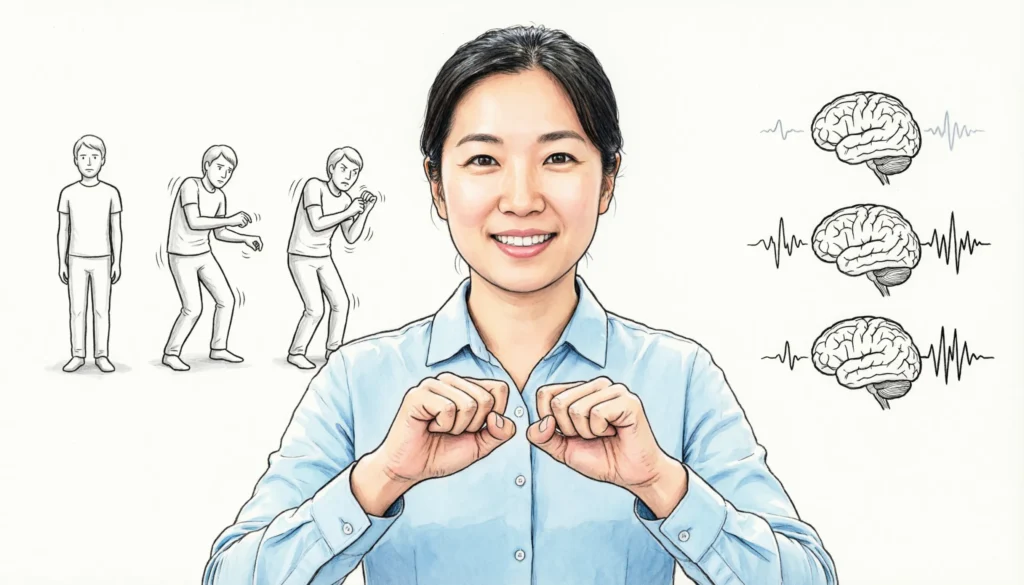
There is no single blood test that simply says “this person has catatonia.”
Diagnosis usually involves observing symptoms, reviewing medical history, performing a physical and neurological examination, and looking for possible underlying causes.
Healthcare professionals may use assessment tools such as the Bush-Francis Catatonia Rating Scale (BFCRS) to identify and measure catatonic symptoms.
Depending on the situation, doctors may also consider:
- Blood tests
- Urine tests
- Brain imaging such as MRI or CT
- EEG testing
- Testing for infections
- Testing for autoimmune conditions
- Medication and substance history
- Neurological evaluation
- Psychiatric assessment
These investigations are important because conditions such as seizures, infections, metabolic problems, brain disorders, and autoimmune diseases can sometimes resemble or contribute to catatonic symptoms.
What Is a Lorazepam Challenge?
Healthcare professionals may sometimes use a lorazepam challenge as part of the clinical assessment.
Lorazepam is a benzodiazepine medication. Under medical supervision, a clinician may administer it and observe whether catatonic symptoms improve.
A rapid improvement can support the clinical diagnosis, but it does not independently prove that someone has catatonia. Medical professionals still need to investigate the overall presentation and possible underlying causes.
This is not something a person should attempt at home.
How Is Catatonia Treated?
Catatonia is often treatable, especially when it is recognized quickly.
Treatment depends on the severity of the symptoms and the underlying cause.
Benzodiazepines
Benzodiazepines, particularly lorazepam, are commonly used as first-line treatment for catatonia.
They can produce significant improvement in many patients, sometimes relatively quickly. The exact medication, dose, route, and duration must be determined by a qualified healthcare professional.
Electroconvulsive Therapy
Electroconvulsive therapy (ECT) is another important treatment for catatonia.
ECT involves delivering a controlled electrical stimulus to the brain while the patient is under general anesthesia. Contrary to dramatic movie portrayals, modern ECT is performed in a controlled medical setting.
ECT may be particularly important when:
- Catatonia is severe
- Benzodiazepines do not work sufficiently
- Symptoms are life-threatening
- Malignant catatonia is present
It can be highly effective in severe cases.
Treating the Underlying Condition
If catatonia is caused or triggered by another condition, doctors also need to treat that underlying problem.
For example, treatment may involve addressing:
- A mood disorder
- An infection
- An autoimmune condition
- A neurological disorder
- Medication-related problems
- Substance withdrawal or toxicity
The treatment plan therefore varies considerably from one person to another.
Why Is Catatonia Dangerous?
Catatonia can become dangerous when symptoms prevent a person from taking care of basic physical needs.
Someone who remains immobile for a prolonged period may be at increased risk of:
- Dehydration
- Malnutrition
- Blood clots
- Pneumonia
- Pressure injuries
- Muscle breakdown
- Other medical complications
Severe catatonia can also progress to malignant catatonia, which can involve dangerous fever and instability of the body’s automatic functions.
That is why suspected catatonia should not simply be watched at home for several days.
Catatonia vs. Being Quiet or Withdrawn
Being quiet does not automatically mean someone has catatonia.
People can become quiet because they are:
- Tired
- Sad
- Anxious
- Shy
- Angry
- Stressed
- Deeply focused
- Emotionally overwhelmed
Catatonia is different because it involves a significant change in movement, behavior, communication, or responsiveness that is clinically abnormal.
For example:
Normal withdrawal:
Someone is upset and chooses not to talk for a few hours but can communicate when necessary.
Possible catatonia:
Someone becomes profoundly unresponsive, stops speaking, maintains an unusual posture, shows marked changes in movement, or cannot meet basic needs.
Only a qualified healthcare professional can determine what is happening.
Catatonia vs. Coma
Catatonia and coma are also different.
A person in a coma has a severely impaired level of consciousness and cannot normally be awakened.
A person with catatonia may appear unresponsive but can have varying degrees of awareness. Some people later remember parts of what happened even when they seemed unable to respond at the time.
This distinction is one reason proper medical assessment is so important.
Common Misunderstandings About Catatonia
Myth 1: Catatonia Only Happens With Schizophrenia
False.
Catatonia can occur alongside several psychiatric, neurological, medical, and autoimmune conditions.
Myth 2: Catatonia Always Means Someone Is Completely Still
False.
Some people experience extreme agitation and excessive movement rather than immobility.
Myth 3: A Person With Catatonia Is Just Refusing to Respond
Not necessarily.
Catatonia can interfere with a person’s ability to initiate movement, speech, and normal responses.
Myth 4: Catatonia Cannot Be Treated
False.
Catatonia is often highly treatable, particularly when it is recognized early and appropriate treatment is started. Benzodiazepines and ECT are major treatment options.
Myth 5: You Can Diagnose Catatonia Yourself
No.
Several medical and psychiatric conditions can produce similar symptoms. Professional evaluation is important.
What Should You Do If You Suspect Catatonia?
If someone suddenly becomes extremely unresponsive, stops speaking, becomes unusually rigid or immobile, develops severe unexplained agitation, or shows other concerning catatonic signs, seek medical attention promptly.
Assume the person is simply being difficult.
Attempt to force movement.
Do not give someone another person’s prescription medication.
Instead:
- Stay calm.
- Keep the person in a safe environment.
- Avoid unnecessary confrontation.
- Seek urgent medical assessment.
- Tell healthcare professionals about any known psychiatric, neurological, or medical conditions.
- Mention recent medication changes, substance exposure, illness, fever, seizures, or unusual behavioral changes.
If the person has a high fever, severe rigidity, unstable behavior, major changes in consciousness, or other signs of a medical emergency, seek emergency care immediately.
Catatonia in Everyday Language: Example

Consider this simple example:
Before:
A person normally talks with family, eats regularly, walks around the house, and responds when spoken to.
Sudden change:
They stop talking, sit in one position for hours, barely respond to questions, and do not seem able to take care of basic needs.
A family member might think, “They are ignoring us.”
But such a dramatic change could have a medical explanation, including catatonia.
The important lesson is that sudden major changes in behavior and responsiveness deserve medical attention, especially when movement and communication are affected.
Related Terms to Know
If you are researching catatonia meaning, these related terms may also be useful:
| Term | Simple meaning |
|---|---|
| Mutism | Very little or no speech |
| Stupor | Very limited response to surroundings |
| Catalepsy | Maintaining a body position after being placed in it |
| Waxy flexibility | Limbs may remain where another person places them |
| Echolalia | Repeating another person’s words |
| Echopraxia | Copying another person’s movements |
| Negativism | Resistance to instructions or external attempts |
| Posturing | Holding an unusual position |
| Malignant catatonia | Severe catatonia with potentially life-threatening physical instability |
Understanding these terms can make medical information about catatonia much easier to follow.
Frequently Asked Questions About Catatonia
1. What does catatonia mean in simple words?
Catatonia means a serious neuropsychiatric state that can dramatically affect movement, speech, behavior, and responsiveness. A person may become very still and quiet or, in some cases, extremely agitated and active.
2. Is catatonia a mental illness?
Catatonia is better understood as a neuropsychiatric syndrome rather than simply one mental illness. It can occur with psychiatric disorders as well as neurological, medical, autoimmune, and other conditions.
3. What are the main symptoms of catatonia?
Common symptoms include stupor, mutism, posturing, catalepsy, waxy flexibility, negativism, repetitive movements, grimacing, echolalia, echopraxia, and unexplained agitation.
4. Can someone with catatonia hear you?
Awareness can vary. Some people with catatonia may remain aware of what is happening around them even though they cannot respond normally. Others may have reduced awareness.
5. Is catatonia dangerous?
It can be. Prolonged catatonia can cause complications such as dehydration, malnutrition, pneumonia, blood clots, and other medical problems. Malignant catatonia can be life-threatening and requires urgent treatment.
6. Can catatonia be treated?
Yes. Catatonia is often treatable. Benzodiazepines such as lorazepam are commonly used, while ECT may be used when symptoms are severe or do not respond adequately to medication. Treatment also focuses on the underlying cause.
7. Is catatonia the same as schizophrenia?
No. Catatonia can occur with schizophrenia, but it can also occur with mood disorders and various medical and neurological conditions. The older term “catatonic schizophrenia” is no longer considered a current diagnostic subtype.
Conclusion
The catatonia meaning goes far beyond simply “not moving” or “not talking.” Catatonia is a complex neuropsychiatric syndrome that can affect movement, communication, behavior, and responsiveness.
The most important points to remember are:
- Catatonia can involve too little or too much movement.
- It can occur with psychiatric, neurological, medical, and autoimmune conditions.
- It is not the same as schizophrenia.
- Symptoms can include mutism, stupor, posturing, rigidity, repetitive movements, echolalia, and unusual agitation.
- Severe or prolonged catatonia can cause dangerous medical complications.
- Malignant catatonia is a medical emergency.
- Catatonia is often treatable, particularly when recognized early.
- Diagnosis and treatment should be handled by qualified healthcare professionals.
If you are researching catatonia because you or someone you know is showing sudden, severe changes in movement, speech, awareness, or behavior, do not rely on an online definition alone. Prompt medical evaluation is important because several potentially serious conditions can look similar and some causes require urgent treatment.
Discover More Articles:
- What Is a Gumshoe? Understanding This Interesting Slang Term
- Shenanigans Meaning: From Playful Mischief to Funny Trouble
- Francium Meaning Explained: Is Francium the Rarest Element?

Hi, I’m Ethan Walker, founder of GrammarNestz. Passionate about language, writing, and clear communication, I help learners and writers improve their grammar skills through practical tips, easy-to-understand guides, and engaging content.