ASMR slang meaning is becoming one of the most searched internet terms, yet many people still misunderstand what it actually means. If you’ve seen ASMR mentioned on TikTok, Instagram, YouTube, or in online chats and felt confused, you’re definitely not alone. I noticed this term appearing everywhere, which made me curious enough to explore its real meaning and how people use it in everyday conversations.
In this guide, I’ll explain the definition of ASMR in simple English, where the slang comes from, and why it has become so popular across social media. By the end, you’ll understand exactly what ASMR means and when people use it online.
Meaning & Definition of ASMR
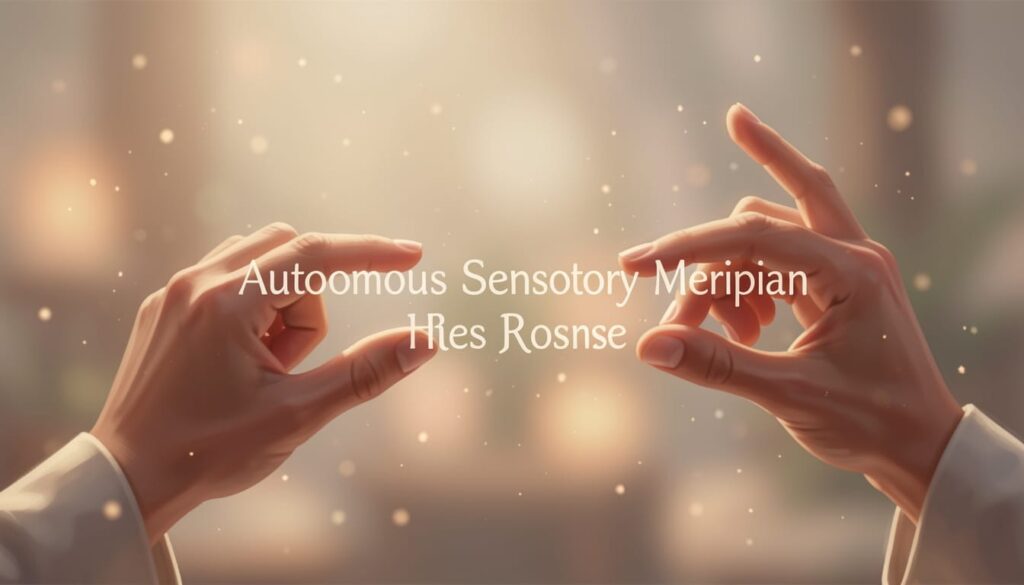
ASMR stands for Autonomous Sensory Meridian Response. It refers to a tingling sensation that some individuals experience, usually starting on the scalp and moving down the neck or spine, in response to specific visual, auditory, or tactile triggers.
In internet slang, people often use ASMR more broadly to describe content that is:
- Relaxing
- Satisfying
- Calming
- Comforting
- Pleasant to watch or hear
For example, someone might say:
- “This keyboard typing video is pure ASMR.”
- “The sound of rain gives me ASMR.”
- “That cooking clip is so satisfying and ASMR-worthy.”
In these cases, the speaker may not literally experience the tingling sensation. Instead, they use the term to express that something feels relaxing or enjoyable.
The slang usage has expanded significantly beyond its original scientific description. Today, many internet users associate ASMR with whispering videos, tapping sounds, page turning, soft speaking, brushing noises, and other calming sensory experiences.
As a result, the ASMR slang meaning often depends on context. It may refer to the actual sensory response, a style of content, or simply something that creates a feeling of comfort and satisfaction.
Background of ASMR
The concept behind ASMR existed long before the term was created. People had described pleasant tingling sensations from soft sounds, gentle attention, or repetitive actions for decades.
The phrase Autonomous Sensory Meridian Response was coined around 2010 by online communities seeking a neutral, scientific-sounding name for the phenomenon. Before that, there was no widely accepted term to describe the experience.
The rise of YouTube played a major role in popularizing ASMR. Content creators began producing videos specifically designed to trigger relaxation through:
- Whispering
- Soft speaking
- Tapping objects
- Crinkling paper
- Role-play scenarios
- Hair brushing sounds
As these videos gained millions of views, the term entered mainstream internet culture.
Platforms such as YouTube, TikTok, Instagram, Twitch, and Reddit helped expand awareness even further. Today, ASMR creators attract large audiences seeking relaxation, stress relief, sleep assistance, or entertainment.
Because of its widespread popularity, ASMR evolved from a niche internet phenomenon into a common slang expression used to describe anything satisfying or soothing.
Usage in Different Contexts (Chat, Social Media, Professional Fields)
The meaning of ASMR can change depending on where it is used.
In Casual Chat
Friends may use ASMR informally to describe enjoyable sounds or visuals.
Examples:
- “That sound is ASMR.”
- “I love ASMR videos before bed.”
- “The clicking noise is strangely satisfying.”
On Social Media
Content creators frequently label videos as ASMR to attract viewers interested in relaxing content.
Examples include:
- Makeup application videos
- Cooking videos
- Craft demonstrations
- Cleaning videos
- Product unboxing clips
In Content Creation
ASMR has become a recognized content category. Creators intentionally produce videos with specific audio techniques designed to create relaxation.
In Psychology and Wellness Discussions
Researchers and wellness professionals may discuss ASMR as a sensory phenomenon associated with relaxation, mood improvement, and stress reduction.
In Marketing
Brands sometimes create ASMR-inspired advertisements featuring satisfying sounds and visuals to increase viewer engagement and create positive emotional responses.
ASMR Meaning in Chat, WhatsApp, Instagram, and TikTok
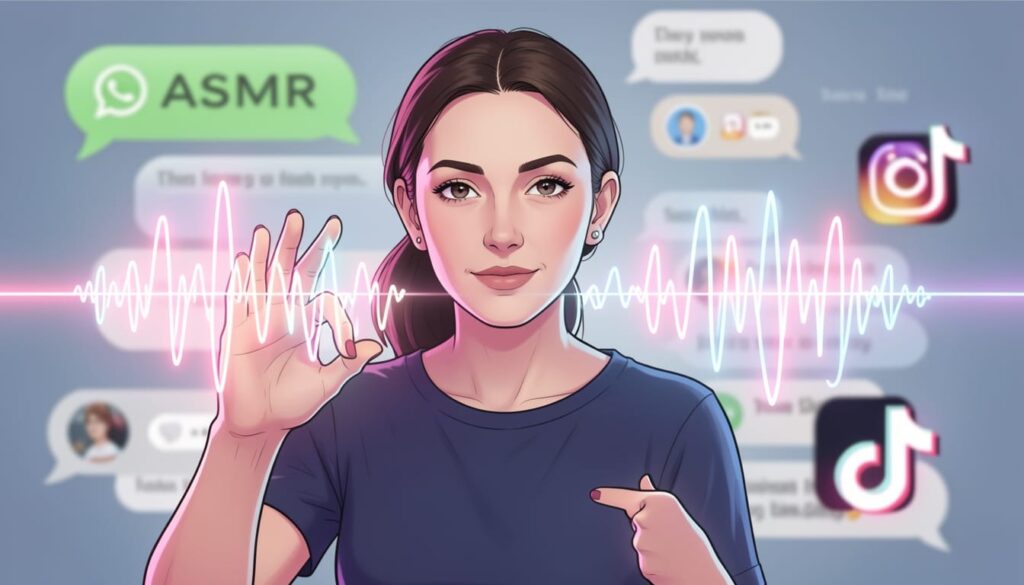
In WhatsApp conversations, ASMR usually refers to soothing sounds or satisfying experiences.
Example:
- Person A: “Listen to this rain recording.”
- Person B: “Wow, that’s ASMR!”
Instagram users commonly tag videos with ASMR hashtags when content contains relaxing sounds.
Examples:
- Nail tapping videos
- Makeup tutorials
- Cooking sounds
- Artistic processes
TikTok
TikTok has helped make ASMR mainstream. Users frequently post:
- Whispering clips
- Slime videos
- Crunchy food sounds
- Satisfying organization videos
Comments often include:
- “This is peak ASMR.”
- “The sound is so satisfying.”
- “Instant ASMR.”
Online Messaging
In direct messages and chats, ASMR can simply mean something pleasant to hear.
Example:
- “The sound of that mechanical keyboard is ASMR.”
In these settings, the term is usually positive and indicates enjoyment.
Meaning in Physics, Medical, and Aircraft Terminology
Although ASMR is most commonly associated with internet culture, the acronym may occasionally appear in specialized contexts.
Physics
ASMR has no widely recognized standard meaning in mainstream physics. If encountered in technical material, it may represent a project-specific abbreviation rather than Autonomous Sensory Meridian Response.
Medical Context
In healthcare discussions, ASMR usually retains its original meaning as a sensory phenomenon involving tingling sensations and relaxation responses.
Researchers study ASMR to better understand:
- Sensory processing
- Emotional responses
- Relaxation mechanisms
- Stress reduction
Aircraft Terminology
ASMR is not a standard aviation acronym commonly used across the aircraft industry. In aviation documents, it could occasionally represent organization-specific abbreviations, but this usage is uncommon compared to the internet meaning.
Therefore, when most people see ASMR today, they are referring to the sensory or social-media-related meaning rather than technical terminology.
Common Misconceptions About ASMR
Several misunderstandings surround ASMR.
ASMR Is Not the Same for Everyone
Not everyone experiences the tingling sensation. Some people simply find the content relaxing.
ASMR Is Not Always Whispering
While whispering is common, many triggers exist, including:
- Tapping
- Water sounds
- Brushing
- Typing
- Page turning
ASMR Is Not Necessarily Medical Treatment
Many users find ASMR relaxing, but it should not be considered a replacement for professional healthcare.
ASMR Is Not Always About Sleep
Although many people watch ASMR videos before bedtime, others use them for concentration, relaxation, or entertainment.
Similar Terms & Alternatives
Several related terms are often associated with ASMR.
Relaxing Content
A broad category covering calming audio and visual experiences.
White Noise
Continuous background sounds such as rain, fans, or static.
Ambient Sounds
Environmental noises that create a peaceful atmosphere.
Satisfaction Videos
Videos designed to provide visual or auditory pleasure.
Lo-Fi
Relaxing music often used for studying, working, or unwinding.
These alternatives may offer similar feelings but are not identical to ASMR.
How to Respond to ASMR
Your response depends on how the term is used.
If Someone Recommends ASMR
You might say:
- “I’ll check it out.”
- “I enjoy relaxing videos too.”
- “What kind of ASMR do you like?”
If Someone Says Something Is ASMR
Possible responses include:
- “I agree, that sound is satisfying.”
- “It’s really relaxing.”
- “I can see why people enjoy it.”
If You Don’t Understand
You can ask:
- “Do you mean actual ASMR or just satisfying content?”
- “What kind of ASMR videos are you talking about?”
Differences from Similar Words
| Term | Meaning |
| ASMR | Tingling or relaxing sensory response |
| White Noise | Constant background sound |
| Ambient Audio | Environmental sounds creating atmosphere |
| Lo-Fi | Relaxing music genre |
| Satisfaction Videos | Visually pleasing content |
| Meditation Audio | Guided relaxation content |
The key difference is that ASMR specifically refers to a sensory response or content intended to trigger that response.
Relevance in Online Conversations & Dating Apps
ASMR has become part of everyday online communication.
In Social Conversations
People use it to describe enjoyable sounds, relaxing videos, or satisfying experiences.
Example:
- “Your voice is ASMR.”
This usually means the speaker finds the voice calming or pleasant.
On Dating Apps
Users sometimes mention ASMR in profiles to highlight interests.
Examples:
- “ASMR fan.”
- “Love relaxing ASMR videos.”
- “Looking for someone who appreciates calming content.”
In messaging, saying someone’s voice is “ASMR” is often interpreted as a compliment because it suggests comfort, relaxation, and pleasant listening.
In Online Communities
ASMR helps users connect through shared interests in relaxation, wellness, and sensory experiences.
Its popularity continues to grow because it combines entertainment, comfort, and digital culture.
Conclusion
Understanding the ASMR slang meaning is important because the term appears frequently across social media, messaging apps, online communities, and digital content platforms. Originally standing for Autonomous Sensory Meridian Response, ASMR describes a pleasant tingling sensation triggered by specific sounds, visuals, or interactions. Over time, its meaning expanded, and many people now use it more casually to describe anything soothing, satisfying, or relaxing.
Whether encountered on WhatsApp, Instagram, TikTok, YouTube, dating apps, or everyday chats, ASMR generally carries a positive meaning. It often reflects comfort, calmness, sensory enjoyment, or appreciation for relaxing content. While misconceptions exist, the term remains one of the most recognizable expressions in modern internet culture.
By understanding its origins, contexts, and related terms, users can confidently interpret ASMR whenever they encounter it online and engage more effectively in digital conversations.
Discover More Articles:
- What Is PAWG? The Internet Slang Meaning Explained Simply
- Beard Slang Meaning: Definition, Origins and Modern Examples
- Kink Slang Meaning:What Does ML Mean in Chat?
Hi, I’m Ethan Walker, founder of GrammarNestz. Passionate about language, writing, and clear communication, I help learners and writers improve their grammar skills through practical tips, easy-to-understand guides, and engaging content.