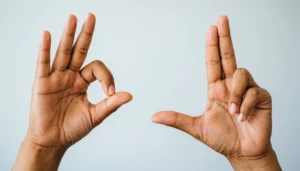
Eng Chile Slang Meaning is more than just a phrase it can completely change how you understand a conversation with someone from Chile. I often see people get confused because Chilean slang doesn’t always match standard English translations, and a simple word can carry a very different meaning depending on the situation.
If you’ve come here looking for a clear, beginner-friendly explanation, you’re in the right place. I’ll walk you through what Eng Chile Slang Meaning actually means, where it’s commonly used, how native speakers understand it, and the situations where you should or shouldn’t use it.If you’re a student, traveler, language learner, or simply curious about Chilean expressions, my goal is to make this slang easy to understand with practical examples instead of confusing definitions.
Meaning & Definition
The Chile slang meaning is an informal expression used mainly to show emotion, disbelief, amusement, shock, or dramatic emphasis. Rather than referring to the country Chile, the slang pronunciation sounds like the word “child.”
People often type “Chile…” when reacting to something surprising, funny, embarrassing, or unbelievable. It’s similar to saying:
- Oh my goodness!
- Seriously?
- Wow…
- Girl…
- I can’t believe this.
- Lord have mercy.
The word doesn’t usually have a literal meaning. Instead, it reflects the speaker’s emotional reaction.
Examples
- Chile, what just happened?
- Chile, I’m not doing that today.
- Chile… this drama never ends.
- You spent $500 on shoes? Chile!
In many conversations, it works as an attention-grabbing interjection rather than a complete sentence.
Simple Definition
Chile (slang): An internet expression used to show surprise, disbelief, humor, annoyance, excitement, or dramatic reaction.
Background with Example
Although many people believe the slang appeared on TikTok, its origins go back much further.
The expression developed from African American Vernacular English (AAVE), where speakers often pronounce the word “child” as “chile.” For decades, it has been used conversationally to express strong emotions.
Example:
“Child, please.”
In spoken AAVE, this often sounds like:
“Chile, please.”
Over time, the pronunciation entered popular culture through television, comedy, music, and online videos.
Around 2020, TikTok creators, meme pages, and Twitter users helped spread the expression worldwide. Soon, millions of users began writing “Chile” whenever reacting to shocking videos, celebrity news, relationship drama, or funny situations.
Today, it’s understood by many internet users regardless of their background, although it’s important to recognize and respect its cultural origins.
Usage in Different Contexts
The meaning changes slightly depending on where it’s used.
Casual Conversations
Friends often use it jokingly.
Example:
“Chile, you forgot your wallet again.”
Social Media
Creators use it to make reactions sound more dramatic.
Example:
“Chile… I was not expecting that ending.”
Text Messaging
It replaces emotional reactions without writing a long sentence.
Example:
Friend:
“I failed the exam.”
Reply:
“Chile 😭”
Memes
The word is commonly paired with reaction GIFs, crying emojis, or dramatic facial expressions.
Pop Culture
Influencers frequently use it while discussing celebrity gossip, reality TV, fashion, or viral content.
Professional Communication
It is generally not appropriate for:
- Business emails
- Workplace chats
- Academic writing
- Client communication
- Official presentations
Because it is highly informal, using it in professional settings may appear unprofessional.
Meaning in Chat, WhatsApp, Instagram, and TikTok
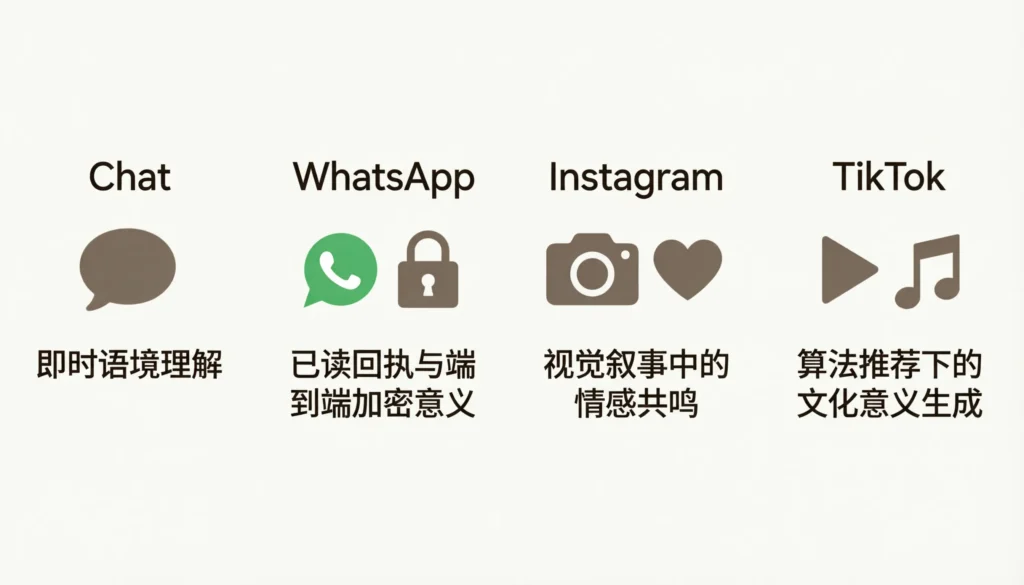
Different platforms have slightly different styles of using the slang.
Friends use it during casual conversations.
Example:
“Chile 😂 you’re impossible.”
Often appears in comments reacting to outfits, celebrities, or funny videos.
Example:
“Chile, she looks amazing!”
TikTok
TikTok popularized the expression.
Creators often begin videos with:
“Chile…”
before telling an unbelievable story.
Snapchat
Used alongside selfies or reaction photos.
Appears in memes and humorous comment sections.
Discord
Gamers and communities sometimes use it jokingly after unexpected moments.
Across all these platforms, the underlying emotion remains the same—surprise, amusement, disbelief, or dramatic emphasis.
Meaning in Physics, Medical, and Aircraft Terminology
Many people search whether Chile has technical meanings.
Physics
There is no recognized physics term called “Chile.”
If the word appears in scientific writing, it almost certainly refers to the country rather than slang.
Medical
The slang has no official medical definition.
Healthcare professionals do not use it as medical terminology.
Aircraft & Aviation
There is no standard aviation abbreviation or aircraft terminology where “Chile” is used as technical jargon.
In aviation, “Chile” generally refers to:
- the country,
- airports located there,
- airlines operating in Chile,
- or geographical references.
Therefore, if someone asks for the Chile slang meaning, the answer relates to internet language rather than science or aviation.
Common Misconceptions
Several misunderstandings surround this slang.
It Means the Country
Not always.
Capitalized Chile can refer to the country, while slang depends entirely on context.
It’s a Misspelling
Many think users accidentally typed “child.”
In reality, it is an intentional spelling based on pronunciation.
It Is Offensive
Generally, no.
Among friends and online communities, it is usually playful and humorous.
However, because it comes from AAVE, people should avoid mocking or stereotyping its cultural origin.
Everyone Uses It the Same Way
Different communities may use it with different emotional tones.
Sometimes it expresses excitement.
Other times it signals frustration.
Similar Terms & Alternatives
If someone doesn’t use “Chile,” they may use similar expressions.
Common alternatives include:
- Girl…
- Child…
- Bruh
- OMG
- Seriously?
- Wow
- Lord…
- I can’t…
- Bestie…
- Y’all…
- Whew…
- Oh no…
- Goodness…
- For real?
- No way!
Each conveys surprise or emotional emphasis in slightly different ways.
How to Respond to It
Your response depends on the conversation.
If Someone Is Shocked
Reply naturally.
Example:
Person:
“Chile, did you see that?”
Response:
“Yes! I couldn’t believe it either.”
If They’re Joking
Join the humor.
Example:
“Chile 😂 that’s hilarious.”
If They’re Frustrated
Respond with empathy.
Example:
“I know, that situation is really stressful.”
If You Don’t Understand
Simply ask:
“What do you mean by ‘Chile’?”
Most people will happily explain.
Differences from Similar Words
Understanding the differences prevents confusion.
| Word | Meaning |
| Chile | Internet slang showing emotion or dramatic reaction |
| Child | A young person |
| Chili | A spicy pepper or spicy dish |
| Chile (Country) | A nation in South America |
| Girl | Casual slang for addressing someone |
Context determines which meaning is intended.
For example:
“I’m traveling to Chile.”
This clearly refers to the country.
Meanwhile:
“Chile, that movie was wild.”
This is internet slang.
Relevance in Online Conversations & Dating Apps
Modern online communication favors short emotional expressions.
That’s why Chile appears frequently on:
- TikTok
- Snapchat
- Discord
- Dating apps
On dating apps, users often write:
“Chile… these dating profiles.”
or
“Chile 😂 this conversation is funny.”
It adds personality and makes messages feel casual and relatable.
However, when talking to someone you don’t know well, avoid excessive slang until you understand their communication style.
Using internet slang appropriately can make conversations feel more natural, but overusing it may confuse people unfamiliar with current online trends.
FAQs
- What does Chile mean in slang?
It is an informal internet expression used to show surprise, disbelief, amusement, or dramatic emphasis. - Does Chile always refer to the country?
No. Depending on the context, it may refer either to the South American country or to the popular slang expression. - Is Chile slang appropriate in professional emails?
No. It is best reserved for casual conversations, texting, and social media. - Why do people say “Chile” instead of “child”?
The spelling reflects a pronunciation found in African American Vernacular English (AAVE), from which the expression originated. - Is Chile popular on TikTok and Instagram?
Yes. It became widely recognized through viral videos, memes, and reaction posts on social media.
Conclusion
Understanding the Chile slang meaning makes it much easier to follow modern online conversations. While the word traditionally refers to the South American country, today’s internet users often use Chile as an expressive reaction to surprise, humor, disbelief, excitement, or frustration. The slang originated from African American Vernacular English (AAVE) and gained widespread popularity through TikTok, Twitter, Instagram, and other social platforms.
The key to interpreting the word is context. In casual conversations, texts, memes, and social media comments, it almost always functions as an emotional expression rather than a geographical reference. It has no official meaning in medicine, physics, or aviation, making its slang usage the most common interpretation online. By recognizing when and how it’s used, you’ll be better prepared to understand internet culture and communicate naturally in today’s digital world.
DISCOVER MORE ARTICLES
- How Gen Z Uses Dayroom: Slang Meaning Explained
- Jawn Slang Meaning: Everything You Should Know in 2026
- Boujee Slang Meaning: Definition, Origin, Social Media Uses

Hi, I’m James Richardson, the creator of GrammarNestz.com. My mission is to help students, writers, and language enthusiasts improve their English grammar skills through practical guides, easy lessons, and useful learning resources.