Cowboy slang meaning is something many people search for when they come across the term in movies, social media posts, country music, or everyday conversations. The word “cowboy” is widely known, but its slang meaning can be very different depending on the context in which it is used.
I’ve noticed that many people get confused about whether it refers to an actual ranch worker, a personality type, or a modern slang expression. That’s exactly why understanding its meaning is important.
In this article, I’ll explain the slang definition, where it comes from, and how people use it today, with simple examples that make everything easy to understand.
Meaning & Definition of Cowboy Slang
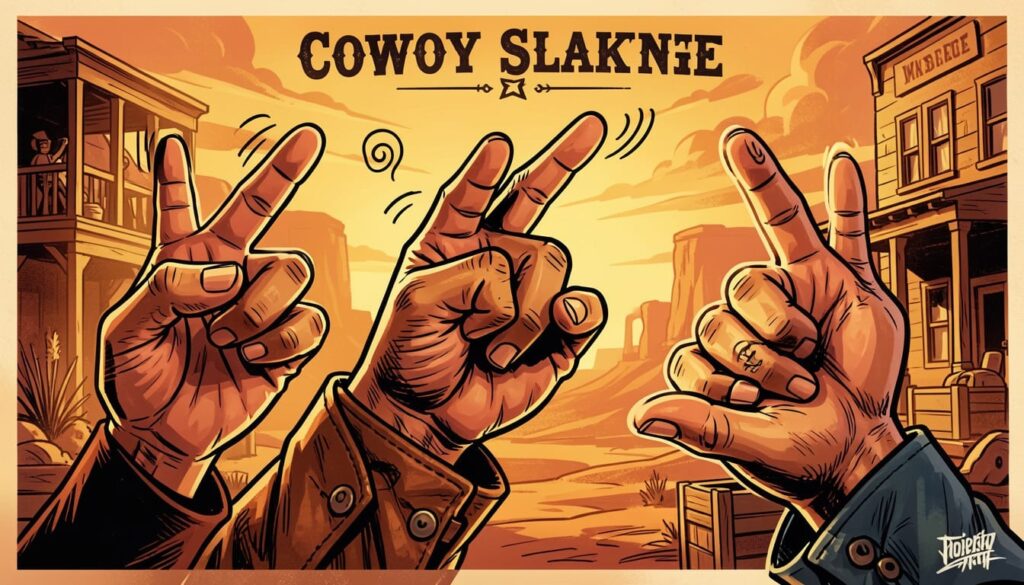
Cowboy slang refers to the casual vocabulary and expressions used historically by cowboys and people involved in ranching, farming, and life in the American frontier. These words were often short, colorful, and practical because cowboys needed quick communication while working with animals or traveling long distances.
Examples of traditional cowboy slang include:
- Howdy – A friendly way of saying hello.
- Buckaroo – A cowboy or skilled horse rider.
- Rodeo – A competition involving riding and ranch skills.
- Yeehaw – An expression of excitement or celebration.
- Partner – A friendly way to address someone.
- Greenhorn – A beginner or inexperienced person.
The meaning of cowboy slang is not limited to old Western culture. Today, many people use these words to represent confidence, adventure, freedom, or a connection to cowboy traditions.
For example, calling someone a “cowboy” can mean they are bold and independent, but it can also suggest that they take risks without thinking carefully. The meaning depends on the context.
Background and History of Cowboy Slang
Cowboy slang developed mainly during the 19th-century American frontier period when cattle ranching became an important part of Western life. Cowboys came from different cultures, including English, Spanish, Mexican, and Native American backgrounds. Their language became a mixture of different influences.
Many cowboy expressions came from ranch activities, horse riding, cattle handling, and traveling. Cowboys needed simple terms that could be understood quickly while working outdoors.
For example, Spanish influence created words like “buckaroo,” which comes from the Spanish word vaquero, meaning cattle herder. Ranch workers also created unique expressions to describe weather, animals, equipment, and daily challenges.
Movies and television later made cowboy slang popular around the world. Western films often showed cowboys using phrases that represented bravery, honesty, and adventure. Because of this, cowboy language became a symbol of the Old West.
Today, cowboy slang is used not only by ranch communities but also by writers, gamers, fashion brands, and internet users who enjoy Western culture.
Usage of Cowboy Slang in Different Contexts
Cowboy Slang in Chat and Social Media
In online conversations, cowboy slang is often used for humor, personality, or style. People may use Western words to make messages sound playful or unique.
Examples:
- “Howdy!” → A casual greeting.
- “Yeehaw!” → Showing excitement.
- “Ride on, cowboy!” → Encouraging someone to continue.
On platforms like Instagram and TikTok, cowboy phrases are often used with Western outfits, country music, travel posts, or funny videos.
Cowboy Slang in Professional Fields
In professional environments, cowboy-related language may describe someone’s working style.
For example:
- “Cowboy approach” can mean someone works independently without following standard procedures.
- “Cowboy coding” in technology describes writing software quickly without proper planning or testing.
This usage is different from traditional cowboy culture because it focuses on behavior rather than ranch life.
Cowboy Slang Meaning in WhatsApp, Instagram, and TikTok
On social media platforms, cowboy slang usually has a casual or entertaining meaning.
On WhatsApp:
- “Howdy partner” may simply mean “Hello friend.”
- “Yeehaw” may express excitement.
The Instagram:
- Cowboy words are often used in captions for Western fashion, travel, or country lifestyle posts.
On TikTok:
- Cowboy slang may appear in jokes, memes, country music videos, and trends.
The online meaning is usually less serious and more about creating a fun personality or aesthetic.
Cowboy Slang Meaning in Physics, Medical, and Aircraft Terminology
Cowboy slang does not have a direct scientific meaning in physics or medicine. However, the word “cowboy” is sometimes used informally in technical fields.
In aviation:
- A “cowboy pilot” may describe someone who takes unnecessary risks or ignores proper procedures.
In medicine:
- “Cowboy doctor” can refer informally to a medical professional who acts recklessly or does not follow accepted practices.
The physics:
- The term is not a standard scientific concept, but “cowboy” may occasionally appear as a metaphor for unconventional behavior.
These meanings are informal and depend heavily on context.
Common Misconceptions About Cowboy Slang
One common misunderstanding is that cowboy slang is only about old Western movies. In reality, many expressions are still used today.
Another misconception is that calling someone a cowboy is always positive. It can mean someone is brave and independent, but it can also suggest that someone is careless or reckless.
For example:
Positive:
“He is a real cowboy at heart.”
Meaning: He loves adventure and independence.
Negative:
“He uses a cowboy method.”
Meaning: He may ignore rules or proper processes.
Similar Terms and Alternatives
Some words related to cowboy slang include:
- Western slang
- Ranch vocabulary
- Country expressions
- Frontier language
- Old West phrases
- Country slang
Similar words may have different meanings depending on culture and situation.
How to Respond When Someone Uses Cowboy Slang
Your response depends on the phrase used.
If someone says:
“Howdy!”
You can reply:
- “Howdy!”
- “Hey, how’s it going?”
If someone says:
“Yeehaw!”
You can respond:
- “Haha, that’s exciting!”
- “Yeehaw!”
If someone calls you a cowboy:
- Take it as a compliment if they mean you are adventurous.
- Ask for clarification if the context feels negative.
Differences Between Cowboy Slang and Similar Words
Cowboy slang is different from regular slang because it is strongly connected to Western culture and ranch life.
For example:
“Hello” → Standard greeting
“Howdy” → Cowboy-style greeting
“Friend” → Normal word
“Partner” → Cowboy-style friendly address
“Beginner” → Normal description
“Greenhorn” → Western slang for inexperienced person
Cowboy Slang in Online Conversations and Dating Apps
On dating apps, cowboy slang may be used to create a certain personality or image. Someone may use words like “cowboy,” “country,” or “western” to show they enjoy outdoor activities, adventure, or a traditional lifestyle.
A person saying they like a “cowboy type” may mean they are attracted to someone who seems confident, independent, or adventurous.
However, online meanings can vary, so it is always important to understand the person’s intention.
Conclusion
Cowboy slang meaning is more than just a collection of old Western words. It represents a style of communication connected with adventure, independence, and frontier culture. While many cowboy expressions started on ranches and cattle farms, they have become popular in movies, social media, entertainment, and everyday conversations.
Today, phrases like “Howdy” and “Yeehaw” are often used for fun, while the word “cowboy” can describe someone’s personality, working style, or attitude. Understanding the context is important because cowboy slang can have both positive and negative meanings.
Whether used in casual chats, online posts, or cultural discussions, cowboy slang continues to show the lasting influence of the American West.
Discover More Articles
- WB Slang Meaning: What Does “WB” Mean in Text Messages?
- YW Slang Meaning Explained: What It Stands For and How It’s Used Online
- WSP Slang Meaning: What It Really Means in Text Messages

Hi, I’m Ethan Walker, founder of GrammarNestz. Passionate about language, writing, and clear communication, I help learners and writers improve their grammar skills through practical tips, easy-to-understand guides, and engaging content.