Mother slang meaning is something many people search for when they hear this word used in online chats, memes, or casual conversations. At first, it may sound simple, but slang can change the meaning completely depending on the situation.
In this guide, I will explain what “mother” means in modern slang, where it came from, and how people use it in everyday conversations.
If you saw this word on social media or heard someone say it, this article will help you understand its real meaning in an easy way. Let’s explore this trending slang term and clear up all the confusion.
Meaning & Definition Background
In slang, “mother” is often used as a term of respect, admiration, or emphasis. It can describe someone who is powerful, dominant, stylish, or highly influential in a group or community. For example, calling someone “mother” in internet slang may mean they are seen as a leader or an icon.
In LGBTQ+ and pop culture communities, “mother” is commonly used to praise someone (often a female figure or performer) who embodies confidence, talent, and authority. It is similar to saying “queen” or “icon.” However, the meaning can shift depending on tone—sometimes it is used humorously or sarcastically.
So, the slang meaning is not related to biological motherhood but rather symbolic admiration or status.
Background
The slang use of “mother” became popular through ballroom culture, LGBTQ+ communities, and drag culture in the United States. Over time, it spread globally through social media platforms like Twitter (now X), TikTok, and Instagram.
In these spaces, language is often creative and expressive. Words like “father,” “queen,” and “icon” are used to assign roles or status within fan communities and pop culture discussions. “Mother” specifically grew as a way to honor influential women or performers who set trends or dominate their field.
As internet culture evolved, mainstream audiences adopted the term, often without fully understanding its cultural roots. Today, it is widely used in memes, fandoms, and casual online speech.
Usage in Different Contexts (Chat, Social Media, Professional Fields)
In chats and social media, “mother” is usually informal and expressive. It can be a compliment like “she is mother,” meaning someone is powerful or impressive.
In professional environments, however, it is rarely used because it is slang and not considered formal language. Instead, it may appear in marketing, entertainment, or creative industries when referencing pop culture trends.
On platforms like TikTok and Instagram, it is often used in captions or comments to praise fashion, attitude, or performance style. In casual messaging, it can also be used jokingly among friends who understand internet slang.
Meaning in Chat, WhatsApp, Instagram, TikTok
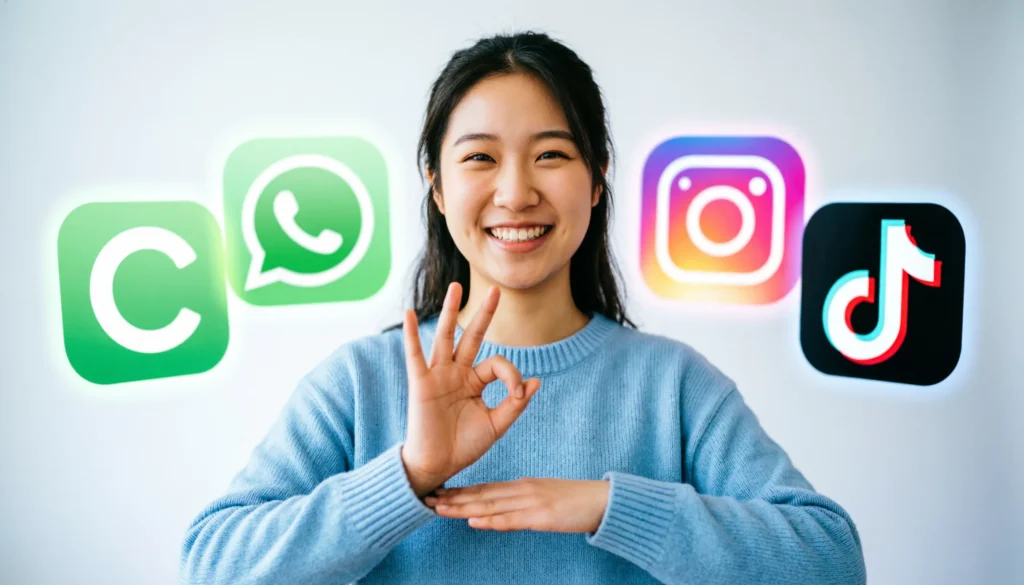
On WhatsApp or direct chats, “mother” usually appears in a playful tone among younger users. It might mean someone is acting confidently or leading a situation.
On Instagram, it is often used in comments like “she is mother” under photos of celebrities or influencers. On TikTok, it is heavily used in trends where users describe powerful personalities or iconic moments.
In all these platforms, context matters. Without context, the word may confuse people who are not familiar with internet slang.
Meaning in Physics, Medical, and Aircraft Terminology
In technical fields, “mother” is not used as slang but may appear in different meanings:
- Physics: Rarely used, but “mother particle” is a conceptual term sometimes used informally in explanations of particle origins.
- Medical: “Mother” can refer to biological context such as “mother cell” in cell division.
- Aircraft/Aviation: The word may appear in “mother aircraft” meaning a larger aircraft carrying smaller ones or drones in experimental setups.
These uses are formal and unrelated to internet slang.
Common Misconceptions
Many people assume “mother” slang always refers to actual motherhood, which is incorrect. Others think it is offensive, but in most cases it is actually a compliment.
Another misconception is that it has a single fixed meaning. In reality, its meaning changes depending on tone, community, and platform.
Similar Terms & Alternatives
Some similar slang terms include:
- Queen
- Icon
- Legend
- Daddy (opposite slang usage)
- Slay
These words are also used to express admiration or dominance in internet culture.
How to Respond to It
If someone calls you “mother” in slang, the response depends on context. if it is positive, you can respond with humor or appreciation like “thank you” or “I know.” If unclear, you can simply ask what they mean.
Understanding tone is important because it is usually meant as a compliment rather than criticism.
Differences from Similar Words
Unlike “queen,” which is more clearly feminine and positive, “mother” carries a stronger symbolic meaning of authority or leadership. Compared to “icon,” it is more community-driven and emotional.
It is also different from literal use of “mother,” which refers only to a parent.
Relevance in Online Conversations & Dating Apps
On dating apps, slang like “mother” may appear in bios or messages to express personality or confidence. It is often used to show humor or cultural awareness.
In online conversations, it helps users express admiration in a modern, trendy way. However, not everyone understands it, so miscommunication can happen.
Conclusion
The Mother Slang Meaning has evolved far beyond its traditional definition, becoming a powerful internet expression used to show admiration, respect, and influence. Originating from niche cultural communities, it has now entered mainstream digital communication through platforms like TikTok, Instagram, and Twitter.
While it may seem confusing at first, its meaning becomes clear when understood in context it is usually a compliment rather than a literal reference to motherhood.If like many internet slang terms, its interpretation depends heavily on tone, community, and situation. In casual chats, it can be playful, while in fandoms it can be deeply expressive.
Understanding this helps avoid confusion and improves communication in modern online spaces. As digital language continues to evolve, terms like this will keep changing, making it important to stay updated with internet culture and its creative expressions.
Discover More Articles
- Gen Alpha Slang Meaning Guide for Parents and Teachers
- Rizz Slang Meaning and How It Became So Popular
- Glazing Slang Meaning : The Viral Internet Term Explained
Hi, I’m Ethan Walker, founder of GrammarNestz. Passionate about language, writing, and clear communication, I help learners and writers improve their grammar skills through practical tips, easy-to-understand guides, and engaging content.