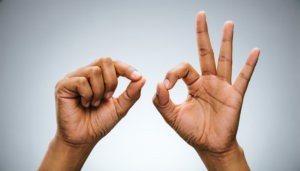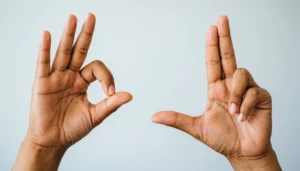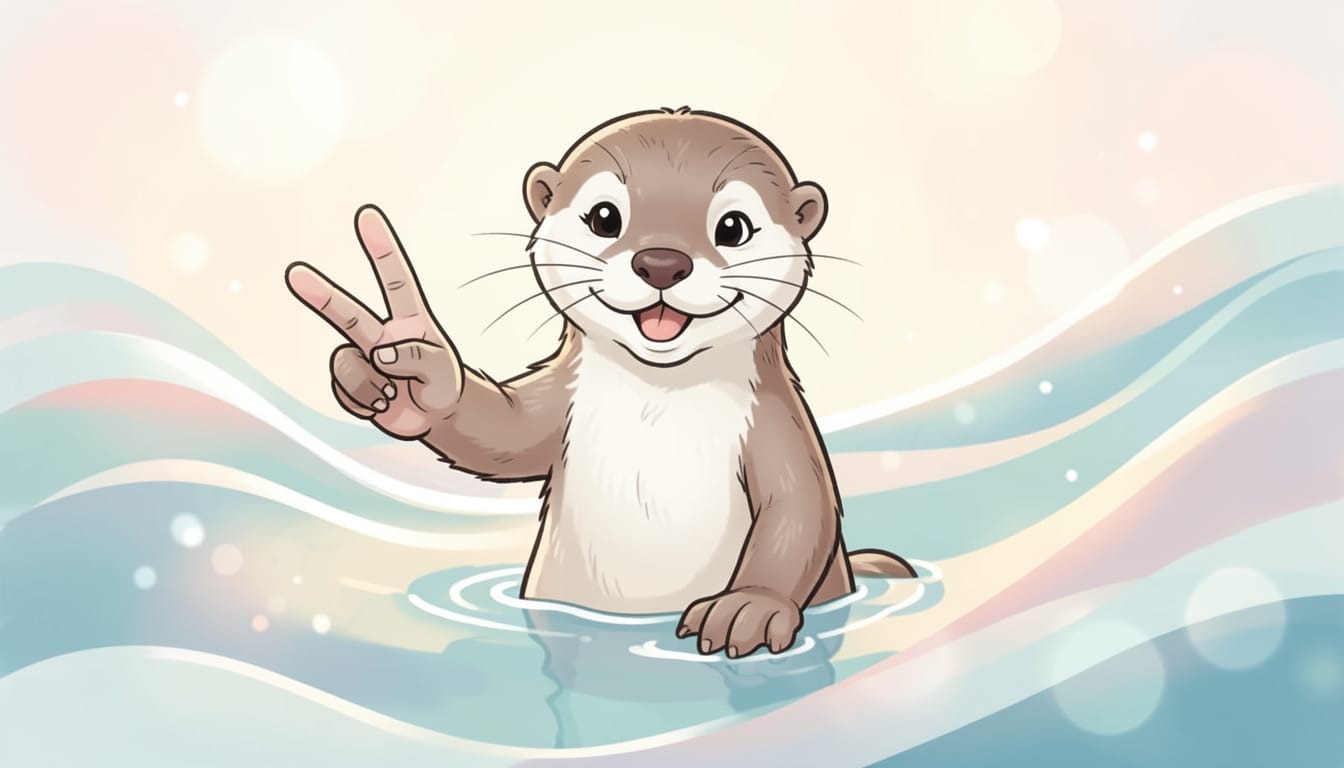
In gay slang, otter is a term used to describe a particular male body type and appearance. It generally refers to a man who is slimmer or leaner than a bear but has noticeable body hair, often with a naturally masculine or rugged look. The term is commonly used within the LGBTQ+ community, especially when people describe different gay male body types.
The word comes from the comparison to an actual otter because otters have a sleek, furry appearance. While the term is often associated with gay men, it can also be used more casually when discussing gay culture and terminology. Like other labels, “otter” is descriptive rather than a strict category, so people may interpret or use it somewhat differently.
Otter Gay Meaning & Definition
In gay slang, an otter typically refers to a man who has a lean or athletic body type and noticeable body hair. The term is often considered part of the broader animal-based vocabulary used within gay culture to describe appearance and identity.
An otter is generally characterized by:
- A slim or athletic build
- Visible body hair
- A masculine appearance
- Less bulk than a “bear”
The label is descriptive rather than strictly defined. Different people may interpret the term slightly differently, but the central idea remains consistent: an otter is usually a hairy, slender man.
For example:
- “He’s not really a bear—he’s more of an otter.”
- “My dating profile says I’m an otter.”
The term is not usually considered offensive when used respectfully. Many people proudly identify as otters and use the label to describe themselves on dating apps and social media profiles.
Like many community-specific terms, it functions as a shorthand description rather than a complete definition of someone’s personality, lifestyle, or identity.
Otter Gay Definition: What Does It Mean?
The otter gay definition usually describes a gay or bisexual man who is relatively slim or athletic and has moderate to significant body hair. Compared with a bear, an otter is typically less heavy or bulky, while compared with a twink, an otter usually has more body hair and a more mature, masculine appearance.
There is no official measurement for being an otter. The term is mainly a social label used in LGBTQ+ communities and dating spaces. A person may also describe themselves as an otter simply because they identify with the general look and culture associated with the term.
What Does a Gay Otter Look Like?
So, what does a gay otter look like? There is no single appearance that every otter must have. However, the term commonly describes a man with:
- A slim, lean, or moderately athletic build
- Noticeable body hair
- A naturally masculine appearance
- A relatively narrow or average body frame
- Facial or chest hair in some cases
Body hair is one of the features most strongly associated with the gay otter label. However, body shape, age, height, and facial features can vary widely.
Otter Gay Body Type Explained
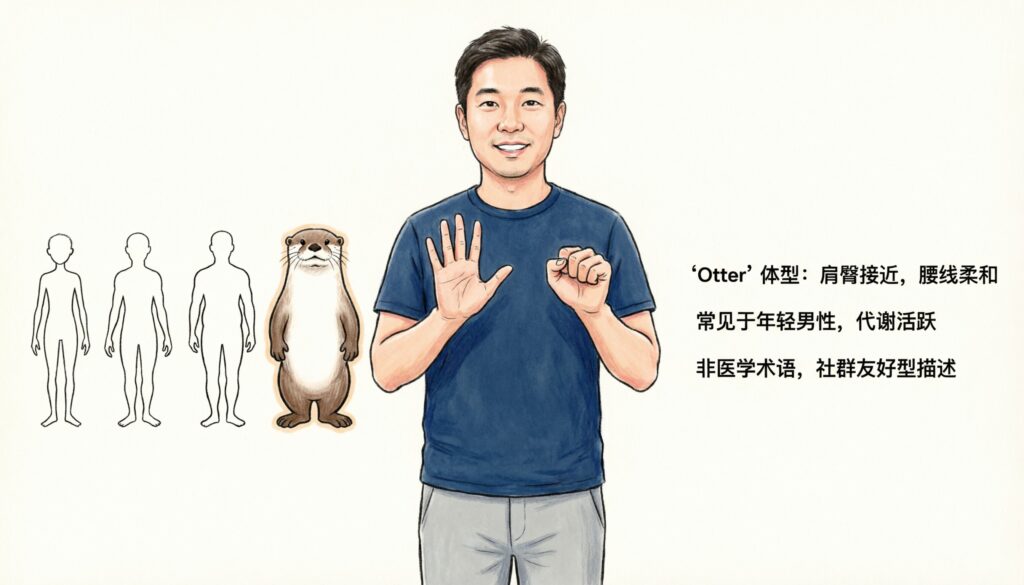
The otter gay body type is generally somewhere between the stereotypical twink and bear categories. An otter is usually leaner than a bear while being hairier than the typical twink.
It is important to remember that these labels are informal. They are used to describe general appearances rather than scientifically defined body types. Someone can be lean and hairy without identifying as an otter, while another person may use the label even if their appearance does not perfectly match common descriptions.
What Does Otter Man Mean?
The phrase otter man meaning usually refers to a man who fits the informal “otter” description within gay culture. He may have a lean or athletic build combined with visible body hair and a mature, masculine appearance.
You may see “otter” used in profiles, social media conversations, dating apps, and LGBTQ+ discussions. In these situations, it is generally describing someone’s physical type rather than their personality, relationship status, or sexual behavior.
Otter Meaning in a Relationship
The otter meaning in a relationship does not automatically indicate anything about how someone behaves as a partner. It is primarily a description of appearance or body type.
For example, someone might say, “My boyfriend is an otter,” simply to describe his physical appearance. The word itself does not tell you whether someone is dominant, submissive, romantic, casual, monogamous, or interested in a particular type of relationship.
Therefore, it is best to treat “otter” as an appearance-based label unless the person gives it another meaning.
What Does Otter Mean on Grindr?
If you see otter meaning in Grindr profiles, it usually refers to the same general gay body-type category. Grindr users may use labels such as otter, bear, twink, jock, or other terms to quickly communicate aspects of their appearance or the type of people they are attracted to.
For example, a profile might describe someone as an “otter” because he has a lean build and considerable body hair. However, users can choose labels differently, so the meaning should not be assumed to describe every physical detail.
Otter Terminology in the LGBTQ+ Community
Otter terminology is part of a broader collection of informal labels used within gay male culture. These terms can help people describe body types and appearances in a short, recognizable way.
Some commonly discussed categories include:
- Otter: Usually lean or athletic with noticeable body hair
- Bear: Generally larger, heavier, or stockier and often hairy
- Twink: Traditionally young-looking, slim, and relatively less hairy
- Jock: Often associated with an athletic or muscular build
- Cub: Often used for a younger or smaller bear-type man
These categories can overlap, and not everyone uses them in exactly the same way.
Otter vs. Bear: What’s the Difference?
The biggest difference in the common otter vs. bear gay comparison is usually body size and build.
| Term | Common description |
|---|---|
| Otter | Lean or athletic, usually hairy |
| Bear | Larger or stockier, often hairy |
| Twink | Slimmer and traditionally less hairy |
| Jock | Athletic or muscular appearance |
An otter and a bear can both be hairy and masculine-looking, but the bear label is generally associated with a larger or heavier build. Someone may also fit aspects of multiple categories.
Otter and Bear Gay Terms Explained
The terms otter and bear gay terms are often discussed together because both are commonly associated with body hair. The main distinction is that “bear” generally suggests a bigger, stockier, or heavier body type, whereas “otter” generally suggests a slimmer and more streamlined build.
These labels are not rigid rules. A person may consider themselves an otter even if they have some characteristics traditionally associated with bears, and vice versa.
Is “Otter” a Gay Term or General Slang?
In the context of body-type terminology, otter is strongly associated with gay male culture. However, the word itself obviously has other meanings because an otter is also an aquatic mammal.
When people use “otter” in LGBTQ+ conversations, dating profiles, or discussions about gay body types, the intended meaning is usually the slang definition rather than the animal.
What Is an Otter-Sleek Body Type?
People sometimes search for otter sleek meaning or otter-sleek meaning because the word “otter” creates an association with a sleek, furry appearance.
In slang usage, “sleek” can suggest a relatively lean, streamlined body rather than a very large or bulky physique. The phrase “otter-sleek” is not a universally standardized LGBTQ+ category, so its exact meaning can depend on the context where it appears.
Otter Slang Meaning in Different Contexts
The otter slang meaning can change depending on where you encounter it.
In LGBTQ+ communities, it usually describes a leaner, hairy man. On dating apps, it can function as a quick physical descriptor. In ordinary conversation, however, “otter” may simply refer to the animal.
The surrounding words are therefore important. If someone says “He is an otter” while discussing gay dating or body types, the slang meaning is likely intended.
Otter Gay Background
The origins of “otter” as gay slang are closely connected to the evolution of body-type terminology within LGBTQ+ communities.
For many years, the term “bear” was used to describe larger, hairy, masculine gay men. As the community developed more nuanced ways to describe different appearances, additional labels emerged. “Otter” became one of these categories.
The comparison to the animal likely comes from an otter’s sleek, lean appearance. Unlike bears, which are larger and heavier animals, otters are slimmer and more agile. This visual contrast mirrors the difference between a bear and an otter in gay slang.
Over time, the term spread through:
- LGBTQ+ social groups
- Online forums
- Dating websites
- Pride events
- Social media platforms
Today, it is recognized internationally and appears frequently on dating profiles, community discussions, and LGBTQ+ content online.
It’s important to understand that these labels developed primarily as community descriptors. They are often used playfully and socially rather than as rigid classifications.
Usage in Different Contexts (Chat, Social Media, Professional Fields)
The meaning of “otter” varies depending on the setting in which it appears.
In Casual Chat
Friends may use the term informally when discussing attraction, dating, or appearance.
Examples:
- “He’s definitely an otter.”
- “I usually date otters.”
On Social Media
Users often include the label in bios, hashtags, captions, and discussions about LGBTQ+ identity.
Examples:
- “#OtterLife”
- “Proud otter.”
In LGBTQ+ Communities
The term acts as a convenient way to describe a specific body type and aesthetic. It may also help users find like-minded people in social spaces.
In Professional Environments
Outside LGBTQ+ discussions, the word usually refers only to the animal. Using the slang meaning in formal workplaces may confuse people who are unfamiliar with community-specific terminology.
Professional contexts generally avoid body-type labels unless they are relevant to cultural or sociological discussions.
Meaning in Chat, WhatsApp, Instagram, and TikTok
In WhatsApp conversations, “otter” is usually used casually between friends or romantic interests.
Example:
- “That guy from the party is such an otter.”
Instagram users often include the term in profile descriptions or use it in captions related to identity and self-expression.
Example:
- “Traveler, coffee lover, otter.”
TikTok
TikTok creators frequently discuss LGBTQ+ slang and body-type terminology. Videos explaining terms like bear, twink, wolf, and otter often attract significant engagement.
Example:
- “Can someone explain what an otter is?”
Online Dating Apps
On dating apps, the term is especially common because it helps users quickly communicate their appearance or preferences.
Examples include:
- “Otter looking for friends.”
- “Into bears and otters.”
The term is widely understood within many LGBTQ+ dating communities.
Meaning in Physics, Medical, and Aircraft Terminology
The word “otter” can have entirely different meanings outside gay slang.
Physics
There is no widely recognized physics term called “otter.” In scientific contexts, the word usually refers only to the animal unless it appears as part of a project name, software title, or acronym.
Medical Terminology
In medicine, “otter” is not a standard medical term. If encountered in healthcare discussions, it may refer to a brand name, organization, research project, or simply the animal.
Aircraft Terminology
The word is commonly associated with the famous aircraft known as the De Havilland Canada DHC-3 Otter.
In aviation discussions, “Otter” usually refers to this aircraft or related models rather than the slang meaning.
Therefore, context is essential when interpreting the word.
Common Misconceptions
Several misconceptions surround the term.
It Is Not an Insult
Many people mistakenly believe that calling someone an otter is offensive. In most LGBTQ+ contexts, it is simply a descriptive label.
It Does Not Define Personality
Being described as an otter relates primarily to physical appearance, not character traits.
It Is Not the Same as a Bear
Although both terms involve body hair and masculinity, bears are generally larger and heavier than otters.
Everyone Uses It Differently
Community labels are flexible. Not every person will fit neatly into one category.
Similar Terms & Alternatives
Several related terms are commonly used alongside otter.
Bear
A larger, hairy, masculine man.
Cub
A younger or smaller bear.
Wolf
Usually a lean, masculine, often hairy man with a rugged appearance.
Twink
Typically a younger-looking, slim man with little body hair.
Jock
Someone associated with athleticism and sports culture.
Hunk
A broad term describing an attractive, muscular man.
These labels often overlap, and individuals may identify with more than one.
How to Respond to It
If someone uses the term “otter,” your response depends on the context.
If It Describes You
You might respond with:
- “That’s fair.”
- “I guess I fit that description.”
- “I’ve heard that before.”
If You’re Unsure
You can simply ask:
- “What do you mean by otter?”
- “How do you define it?”
If You’re Discussing LGBTQ+ Culture
Showing curiosity and respect is generally the best approach.
Understanding the term rather than making assumptions can help maintain positive conversations.
Differences from Similar Words
| Term | Typical Build | Body Hair | General Association |
| Otter | Slim or athletic | Moderate to high | Lean and hairy |
| Bear | Larger build | High | Big and hairy |
| Twink | Slim | Low | Youthful appearance |
| Wolf | Lean and rugged | Moderate to high | Masculine and outdoorsy |
| Jock | Athletic | Varies | Sports-oriented |
The primary distinction is that an otter combines a relatively lean physique with noticeable body hair.
Relevance in Online Conversations & Dating Apps
The popularity of dating apps has significantly increased awareness of LGBTQ+ slang terms.
Users often rely on concise descriptors to communicate:
- Physical appearance
- Dating preferences
- Community identity
- Attraction patterns
As a result, “otter” appears regularly on:
- Dating profiles
- Social media bios
- LGBTQ+ forums
- Messaging apps
- Community discussions
For many users, these labels simplify introductions and help establish shared understanding. However, they remain optional descriptors rather than strict categories.
Understanding such terminology can make online interactions easier and reduce confusion when encountering unfamiliar slang.
Common Misunderstandings About the Term Otter
One common misunderstanding is that every otter must have exactly the same body shape. That is not true. These labels are flexible and subjective.
Another misconception is that the word determines someone’s personality or sexual preferences. It does not. Calling someone an otter generally communicates an appearance or body-type description, not a complete identity.
It is also worth remembering that people may not want to be categorized by these labels. When describing another person, it is better to use the terminology they are comfortable with.
Frequently Asked Questions
Is otter a gay slang term?
Yes. In LGBTQ+ and gay male communities, “otter” is commonly used as an informal body-type term for a relatively lean or athletic, noticeably hairy man.
What is an otter man?
An otter man is generally described as a lean or moderately athletic man with visible body hair, particularly in gay slang.
What is the difference between an otter and a bear?
Both terms are commonly associated with body hair, but an otter is generally described as leaner, while a bear is usually larger, heavier, or stockier.
Does otter mean someone is gay?
Not necessarily. The slang term is strongly associated with gay male culture, but a physical label does not automatically establish someone’s sexual orientation.
What does otter mean on dating apps?
On dating apps, “otter” usually describes a leaner, hairy male body type and helps users communicate their appearance or preferred body-type category.
Conclusion
Understanding the Otter Gay Slang Meaning helps provide insight into modern LGBTQ+ vocabulary and online communication. In most cases, an otter refers to a lean or athletic gay man with noticeable body hair, positioned somewhere between a twink and a bear within commonly used body-type terminology.
The term originated within LGBTQ+ communities and has become widely recognized through dating apps, social media platforms, and online discussions. While its primary use remains within gay culture, context is important because “otter” can also refer to an animal or, in aviation, a specific aircraft model.
Like many identity-related labels, the term is descriptive rather than restrictive. People may embrace it, ignore it, or define it differently based on personal preference. By understanding the meaning, history, and usage of the word, you can navigate conversations more confidently and engage respectfully with diverse communities both online and offline.
Discover More Articles:
- Snow Bunny Slang Meaning: Definition, Origins & Online Usag
- Whipped Slang Meaning: Definition, Usage & What It Means Online
- What Does “Ez slang” Mean in Chat, Gaming, and Online ?

Emily Thompson is an English language educator and grammar writer at grammarnestz.com. She specializes in grammar rules, vocabulary development, writing skills, and language-learning resources for students and professionals.