
Paisa slang meaning is becoming a popular search term because people often come across it in social media posts, memes, movies, and everyday conversations without fully understanding what it means. I’ve noticed that this simple word can have different meanings depending on the context, which is why it often creates confusion.
In some situations, it refers to money, while in others, it carries a cultural or slang-based meaning. In this guide, I’ll explain the meaning of paisa in simple English, where it comes from, how people use it online and offline, and share real-life examples so you can understand it confidently the next time you see or hear it.
What Is the Paisa Slang Meaning in English?

The paisa slang meaning in English generally refers to a person who is strongly connected to their home country’s traditions, culture, and lifestyle. The word comes from the Spanish term paisano, which means countryman, fellow countryman, or someone from the same homeland.
In modern slang, especially in the United States, paisa is often used to describe someone who has recently immigrated from Mexico or who proudly maintains traditional Mexican customs, clothing, language, and values. Depending on the situation, it can be used in different ways:
- Positive: To show pride in one’s heritage or cultural identity.
- Neutral: Simply describing someone from a particular cultural background.
- Negative: Sometimes used as a stereotype to suggest a person is old-fashioned, inexperienced, or not familiar with American culture.
Because the word can have both respectful and disrespectful meanings, it is important to understand the speaker’s intent and the context in which it is used.
In everyday English, paisa may be translated as:
- Countryman
- Fellow countryman
- Person from the homeland
- Traditional immigrant (depending on context)
Paisa Slang Meaning in Urban Dictionary

If you’ve searched for “paisa slang meaning Urban Dictionary,” you’re probably looking for the informal, internet-based definition rather than a traditional dictionary explanation.
Urban Dictionary users generally describe paisa as someone who:
- Recently arrived from Mexico or another Spanish-speaking country.
- Speaks primarily Spanish.
- Strongly follows traditional customs and values.
- Dresses or behaves in ways associated with their homeland.
- May be viewed as less familiar with modern American culture.
Some user-submitted definitions portray the word humorously or negatively, while others use it as a badge of cultural pride. Since Urban Dictionary accepts public submissions, definitions often reflect personal opinions, jokes, or stereotypes rather than objective language guidance.
In real life, many Hispanic communities use paisa affectionately among friends and family. However, if spoken with a mocking tone or toward someone you don’t know well, it can be offensive.
Example sentences:
- “He’s a paisa who recently moved from Mexico.”
- “My cousins proudly call themselves paisas because they love their traditions.”
- “Don’t assume every immigrant likes being called a paisa.”
What Does “Paisa Girl” Mean?

The phrase “paisa girl” is an informal slang expression used to describe a woman who strongly embraces her Latin American heritage, especially Mexican or Colombian traditions.
A paisa girl may be recognized by:
- Speaking Spanish at home.
- Celebrating traditional holidays.
- Wearing culturally inspired clothing.
- Valuing family traditions.
- Cooking traditional foods.
- Feeling proud of her cultural roots.
Among friends and family, calling someone a paisa girl is often meant as a compliment because it celebrates cultural identity.
However, some people use the phrase sarcastically to suggest that someone is too traditional or hasn’t adapted to modern trends. Because of these mixed meanings, it’s best to understand the situation before using the term.
Example:
“She’s proud to be a paisa girl and never hides where she comes from.”
Paisa vs. Chicano: What’s the Difference?
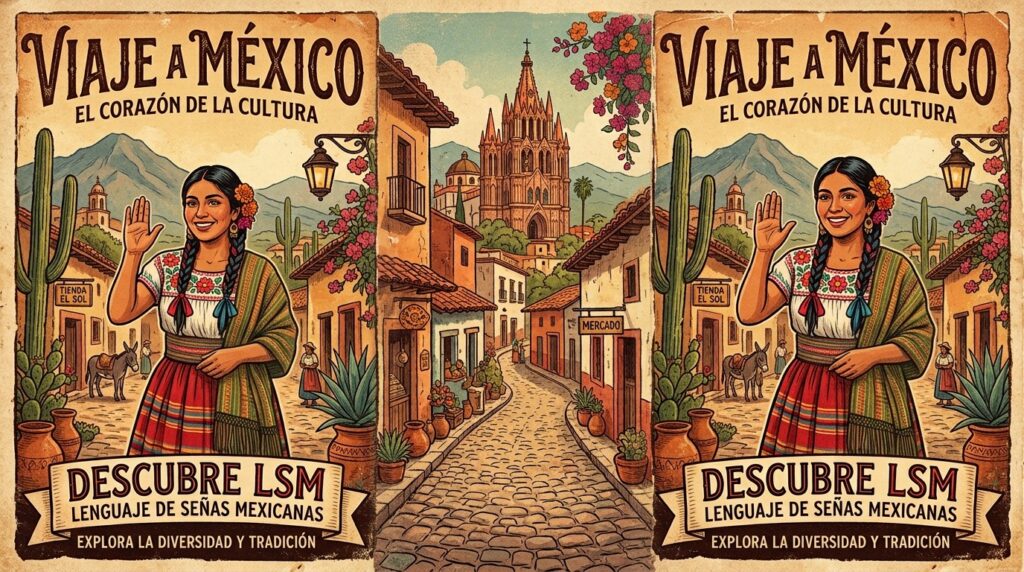
Many people confuse paisa and Chicano, but they describe different identities.
Paisa
- Usually refers to someone born and raised in Mexico or another Spanish-speaking country.
- Often describes recent immigrants.
- Strong connection to traditional customs.
- Spanish is usually the primary language.
Chicano
- Refers to Mexican Americans born or raised in the United States.
- Represents a unique Mexican-American cultural identity.
- Often associated with history, civil rights, and cultural pride.
- May speak both English and Spanish.
Simple Comparison
| Paisa | Chicano |
|---|---|
| Usually immigrant | Usually U.S.-born Mexican American |
| Traditional customs | Blended American and Mexican culture |
| Often speaks Spanish first | Often bilingual |
| Focus on homeland traditions | Focus on Mexican-American identity |
Neither word is automatically positive or negative. Much depends on how the terms are used and who is using them.
Who Is Considered a Paisa Person?
A paisa person is someone who closely identifies with the customs, traditions, and culture of their homeland.
The term may describe someone who:
- Recently immigrated.
- Speaks Spanish regularly.
- Maintains traditional values.
- Enjoys authentic cultural food.
- Celebrates traditional festivals.
- Feels proud of their heritage.
In Colombia, however, Paisa has a different meaning. It refers to people from the Antioquia region and nearby areas, making it a regional identity rather than slang.
Because of this difference, the meaning of paisa person depends on whether the conversation is about Mexican-American slang or Colombian culture.
What Does “Paisa” Mean in Italian?

Many people wonder whether paisa is an Italian word.
The Italian spelling is usually paisà, which comes from paese, meaning village, town, or country.
In Italian, paisà means:
- Friend
- Fellow villager
- Fellow countryman
- Countryman
- Companion from the same hometown
Italian immigrants brought the word to the United States, where it became popular in Italian-American communities.
Although the Italian and Hispanic versions sound similar, they developed in different cultural settings.
How to Pronounce “Paisa” in Spanish

Paisa is pronounced as:
“Pie-sah”
- Pai sounds like pie.
- Sa sounds like sah.
- The emphasis is on the first syllable: PAI-sa.
The pronunciation is very similar across Mexico, Colombia, and most Spanish-speaking countries, though regional accents may vary slightly.
Learning the correct pronunciation helps you use the word naturally and respectfully in conversations.
Meaning & Definition
The term paisa originates from South Asian languages such as Hindi, Urdu, Bengali, Nepali, and Punjabi. Traditionally, it refers to a small unit of currency. However, in modern conversations, the word is often used more broadly to represent money, wealth, earnings, or financial matters in general.
In slang usage, people may use “paisa” when discussing someone’s financial status, business success, spending habits, or desire to earn money. For example, someone might say, “He is only interested in paisa,” meaning that the person is primarily motivated by money.
Online users frequently employ the word casually, especially in memes and humorous content. In these situations, it can symbolize wealth, financial goals, luxury lifestyles, or even jokes about being broke.
The exact meaning depends heavily on context. In some conversations, it is a neutral reference to money, while in others it may imply greed, ambition, success, or financial independence.
Because the term is widely recognized across South Asia, many bilingual speakers incorporate it into English conversations, creating a form of internet slang that is easily understood within multicultural communities.
Background With Examples

The history of paisa dates back hundreds of years. Historically, it was an actual monetary denomination used in various parts of South Asia. Different countries, including India, Pakistan, Nepal, and Bangladesh, have used versions of the paisa as a unit of currency.
As language evolved, people began using the word beyond its financial definition. Instead of referring only to a coin or currency unit, it gradually became a general term for money itself. This shift is similar to how some English speakers use terms like “bucks,” “cash,” or “dough.”
The growth of social media accelerated the spread of the word into global online conversations. Content creators, influencers, and meme pages often use the term when discussing financial success, side hustles, entrepreneurship, or luxury lifestyles.
Today, many younger users encounter the term online rather than through traditional financial contexts. As a result, searches about its slang meaning have become increasingly common.
The word’s popularity also reflects the influence of South Asian culture on global internet trends. Through music, films, comedy videos, and social platforms, the term has reached audiences far beyond its original linguistic roots.
Usage in Different Contexts
The meaning of paisa can change slightly depending on where and how it is used.
Everyday Conversations
In daily speech, it generally means money or financial resources.
Example:
- “You need paisa to start a business.”
- “Saving paisa is important.”
Social Media
Influencers and meme creators often use it to discuss wealth, luxury, entrepreneurship, or financial goals.
Example:
- “Everyone wants more paisa.”
- “Working hard for the paisa.”
Business Discussions
In business-related conversations, the word may refer to profits, investments, revenue, or financial growth.
Example:
- “The company is making good paisa this year.”
Entertainment and Pop Culture
Songs, movies, and comedy sketches frequently use the term when discussing success, status, or ambition.
Online Communities
Internet users may use it humorously to joke about being rich, saving money, or struggling financially.
Because of these diverse uses, understanding the surrounding conversation is essential when interpreting the intended meaning.
Meaning in Chat, WhatsApp, Instagram, and TikTok

Social media platforms have created new ways for people to use traditional words.
In Chat Messages
When someone writes “Need more paisa,” they usually mean they need more money.
On WhatsApp
Friends may use it casually while discussing expenses, jobs, shopping, or financial plans.
On Instagram
The term often appears in captions about luxury lifestyles, business achievements, or motivational content focused on financial success.
On TikTok
Creators frequently use it in videos about side hustles, entrepreneurship, investing, and money-making strategies.
Examples include:
- “Chasing paisa.”
- “No paisa, no shopping.”
- “Making paisa online.”
In these contexts, the term generally carries a lighthearted or motivational tone rather than serving as a technical financial reference.
Meaning in Physics, Medical, and Aircraft Terminology
Unlike some abbreviations that have specialized meanings across industries, paisa generally does not have recognized technical definitions in physics, medicine, or aviation terminology.
Physics
There is no standard physics term known as paisa. If encountered in scientific discussions, it is usually unrelated to physics concepts.
Medical Field
Medical professionals do not use paisa as a standard medical abbreviation or diagnostic term.
Aircraft Terminology
In aviation, paisa is not a recognized aircraft acronym or technical aviation expression.
If the term appears in these fields, it is typically being used in its ordinary language sense relating to money or financial matters rather than a specialized technical definition.
Common Misconceptions
Several misconceptions exist regarding the meaning of paisa.
Misconception 1: It Always Means Slang
Not necessarily. In many situations, it simply means money.
Misconception 2: It Has a Negative Meaning
The term itself is neutral. Any positive or negative interpretation comes from the surrounding context.
Misconception 3: It Refers Only to Coins
Historically it referred to a currency unit, but modern usage often refers to money in general.
Misconception 4: It Is Only Used in South Asia
While it originated there, global social media usage has expanded its reach considerably.
Understanding these distinctions helps prevent confusion when encountering the word online.
Similar Terms & Alternatives
Several words are commonly used as alternatives for paisa.
- Money
- Cash
- Bucks
- Funds
- Currency
- Wealth
- Income
- Earnings
- Revenue
- Capital
Each alternative carries slightly different nuances, but all relate to financial resources in some way.
How to Respond to It
Your response should depend on the context.
The someone mentions paisa in a financial discussion:
- “How much do you need?”
- “That’s a smart way to save money.”
If used humorously:
- “Everyone is chasing money these days!”
- “That’s the dream.”
They discussing business:
- “What’s your strategy for increasing revenue?”
Understanding the tone of the conversation will help you respond naturally and appropriately.
Differences from Similar Words
Although paisa and other money-related terms are similar, there are subtle differences.
| Term | Meaning |
| Paisa | General money-related term with cultural roots |
| Cash | Physical money |
| Wealth | Large accumulation of assets |
| Income | Money earned regularly |
| Revenue | Business earnings |
| Currency | Official monetary system |
The biggest difference is that paisa often carries cultural and conversational significance beyond its literal financial meaning.
Relevance in Online Conversations & Dating Apps
Financial discussions frequently appear in online communities and dating platforms.
Users may reference paisa when discussing:
- Career ambitions
- Financial stability
- Lifestyle goals
- Entrepreneurship
- Spending habits
On dating apps, mentions of money are often linked to future goals, personal responsibility, or lifestyle preferences rather than literal wealth.
For example:
- “Focused on building my career and earning paisa.”
- “Looking for someone who values ambition.”
In these situations, the term often reflects motivation, success, or financial independence rather than greed.
FAQ
1. What is the paisa slang meaning?
Paisa slang meaning generally refers to money, wealth, earnings, or financial resources in casual conversation.
2. Is paisa a negative slang term?
No. The word is usually neutral and its tone depends on the context.
3. What does paisa mean on Instagram?
On Instagram, it often refers to money, success, luxury lifestyles, or financial goals.
4. Is paisa used on TikTok?
Yes. TikTok creators commonly use it in videos about earning money, side hustles, and entrepreneurship.
5. Does paisa have a medical or aviation meaning?
No widely recognized medical, physics, or aviation definition exists for the term.
Conclusion
Understanding paisa slang meaning is relatively straightforward once its cultural and conversational background is clear. Traditionally associated with currency, the term has evolved into a broader expression representing money, wealth, earnings, and financial success. Its popularity on social media platforms, messaging apps, and online communities has introduced it to audiences around the world.
Whether used seriously in discussions about finances or humorously in memes and internet culture, the word generally maintains a connection to money and economic value. Context remains the key factor in determining its exact meaning. By recognizing how it is used across chats, social media platforms, business conversations, and dating apps, you can interpret the term accurately and respond confidently whenever you encounter it online.
Discover More Articles:
- Brazy Meaning Slang: Why Everyone Is Saying “Brazy” Online
- Gang Slang Meaning: Definition, Examples, Origin & Online Usage
- Why Does Everyone Say Roadman? Slang Meaning Explained

Hi, I’m Ethan Walker, founder of GrammarNestz. Passionate about language, writing, and clear communication, I help learners and writers improve their grammar skills through practical tips, easy-to-understand guides, and engaging content.