Kiwi Slang Meaning is one of those phrases that can be confusing because it has more than one meaning depending on where you hear it. I remember wondering whether people were talking about the fruit, the bird, or something completely different in a conversation. If you’ve had the same question, you’re in the right place.
In this guide, I’ll explain the kiwi slang meaning in simple English, where the term comes from, and how people use it in everyday conversations, social media posts, and online chats. By the end, you’ll understand the different meanings, know when it’s appropriate to use, and avoid the common misunderstandings that many people make.
Kiwi Slang for Girl

If you’re searching for Kiwi slang for girl, you’ll quickly notice that New Zealand doesn’t have one official slang term that everyone uses. Instead, Kiwis use a mix of local expressions and informal English words depending on the situation, age group, and region. Some of these terms are friendly and widely accepted, while others are considered old-fashioned or should only be used among close friends.
Here are a few common examples:
- Chick – A casual way to refer to a young woman or girlfriend.
- Lass – A traditional term for a young girl, heard less often today.
- Missus – Informally refers to someone’s wife or partner.
- Mate – Although gender-neutral, many New Zealanders use “mate” for people of all genders in casual conversations.
- Girl – The simplest and most common choice in everyday speech.
For example:
- “That Kiwi chick is really friendly.”
- “She’s a good mate from work.”
- “The missus is waiting at home.”
When speaking with locals, it’s always best to use respectful language. While slang can help you sound more natural, choosing the wrong word may sound awkward or even offensive.
Common New Zealand Slang Insults
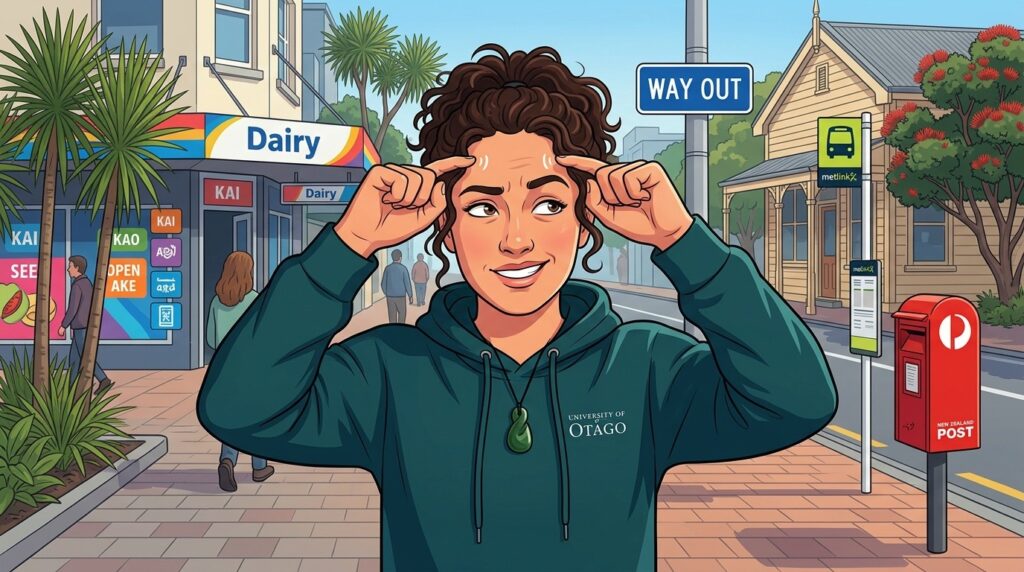
Every country has playful slang used to tease friends, and New Zealand is no exception. Many New Zealand slang insults are humorous rather than aggressive. They often describe someone who is acting silly, clumsy, or making poor decisions. Whether an insult is funny or offensive depends on the speaker’s tone and relationship with the listener.
Here are some well-known Kiwi slang insults:
Muppet
A person acting foolishly or making an obvious mistake.
Example:
“You forgot your keys again? You’re such a muppet!”
Egg
Someone who behaves in a silly or embarrassing way.
Example:
“Don’t be an egg—just ask for directions.”
Dropkick
Used for someone who is lazy, irresponsible, or constantly making bad decisions.
Example:
“He skipped work again. What a dropkick.”
Numpty
A light-hearted insult for someone who has done something foolish.
Example:
“You parked in the wrong place, you numpty!”
Wally
An older expression meaning a foolish or clumsy person.
Example:
“Only a wally would forget the tickets.”
Although these insults are common in friendly conversations, visitors should avoid using them until they understand local humor and context.
Popular New Zealand Slang Words and Meanings
If you’re looking for New Zealand slang words and meanings, learning the most common expressions is the best place to start. These words appear in everyday conversations, social media, schools, workplaces, and even television shows. They reflect New Zealand’s unique culture and make it easier to understand how locals communicate.
Here are some of the most popular Kiwi slang terms:
| Slang Word | Meaning | Example |
|---|---|---|
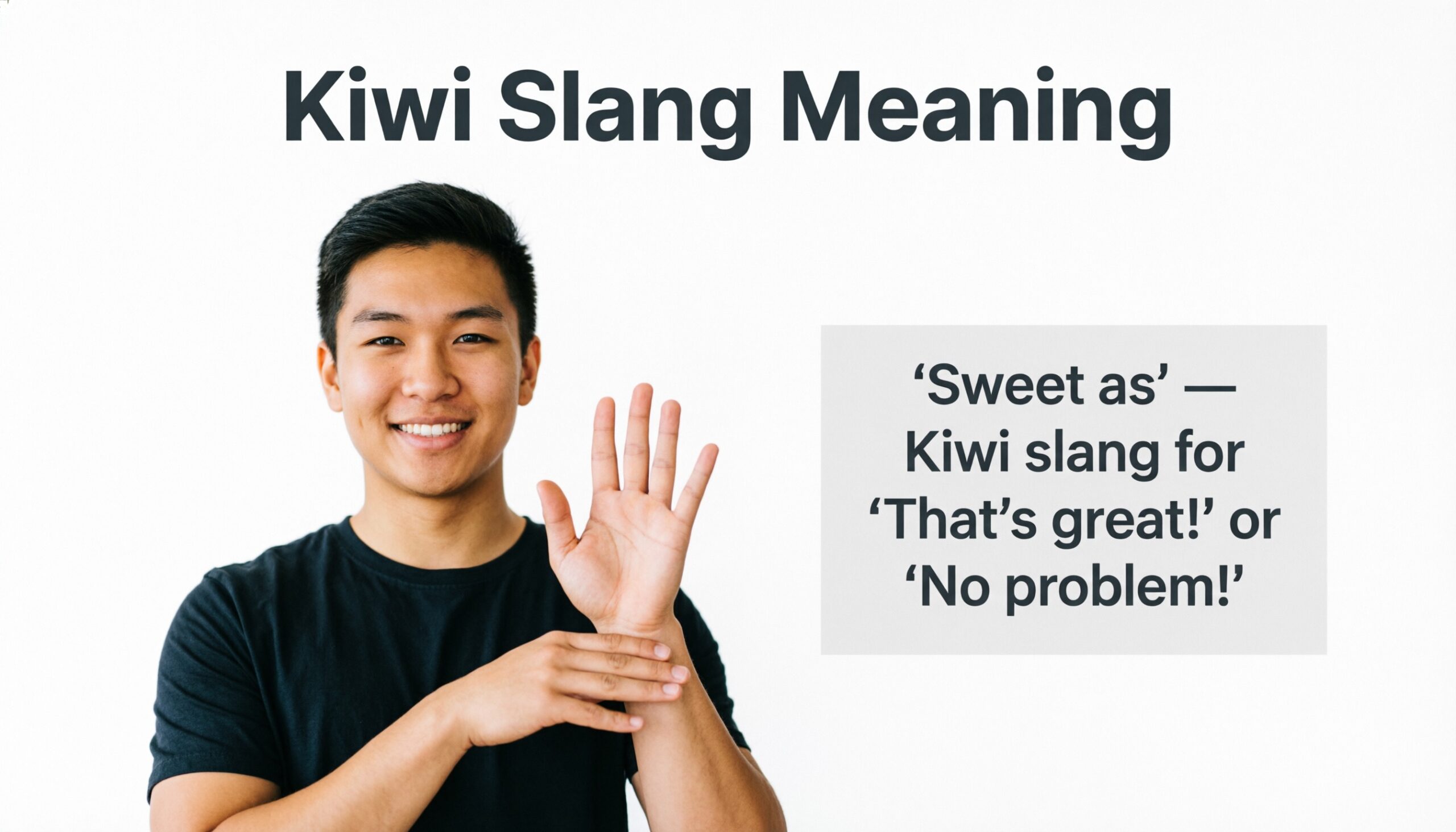
| Sweet as | Great, no problem | “I’ll be there at six.” – “Sweet as!” |
| Choice | Excellent or awesome | “That meal was choice.” |
| Heaps | A lot or many | “Thanks heaps for your help.” |
| Jandals | Flip-flops | “Don’t forget your jandals.” |
| Dairy | Small convenience store | “I’m going to the dairy for milk.” |
| Bach | Holiday home | “We’re staying at our bach this weekend.” |
| Togs | Swimsuit | “Bring your togs to the beach.” |
| Chilly bin | Cooler box | “Put the drinks in the chilly bin.” |
| Hard out | Very much or extremely | “I enjoyed that movie hard out.” |
| Wop-wops | A remote rural area | “They live out in the wop-wops.” |
These expressions are part of daily life in New Zealand. Learning them will help you understand conversations and communicate more naturally with Kiwi speakers.
Kiwi Slang for Good Chat

A friendly conversation is an important part of New Zealand culture, so there are several expressions related to having a good chat. Instead of saying “nice conversation,” Kiwis often use unique slang that sounds more relaxed and natural.
One of the most common phrases is “good yarn.” In New Zealand, a yarn doesn’t only mean a story—it also refers to a casual, enjoyable conversation.
Examples include:
- “We had a good yarn over coffee.”
- “Cheers for the yarn.”
- “Let’s catch up for another yarn sometime.”
Other expressions include:
- Good banter – Fun, humorous conversation.
- Catch up – Meet someone to chat after some time apart.
- Have a natter – A relaxed and friendly conversation.
These phrases are commonly heard among friends, family members, coworkers, and even strangers who enjoy chatting. Using them naturally can help you sound more familiar with New Zealand English.
Kiwi Slang Meaning on Urban Dictionary
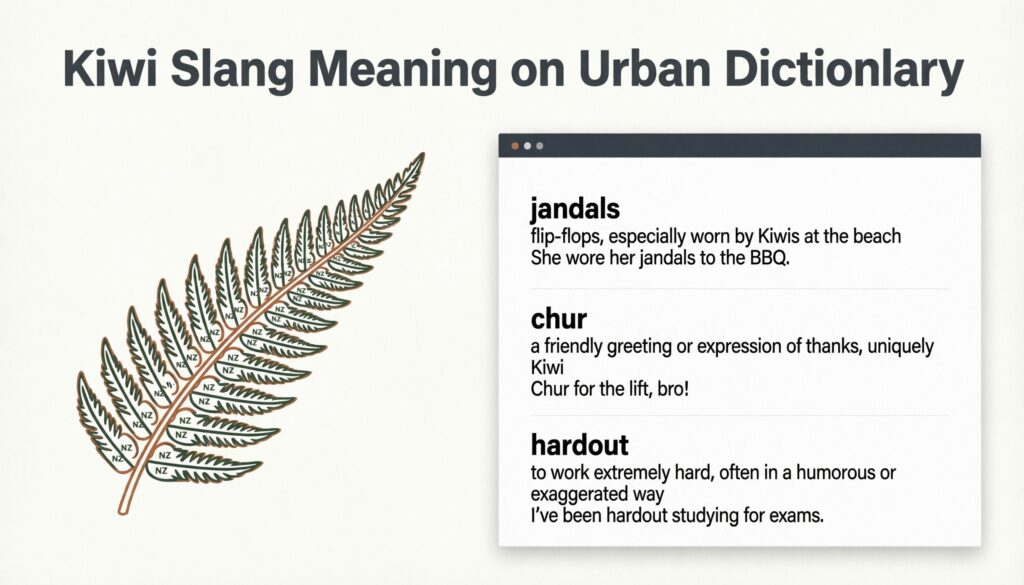
Many people search for Kiwi slang meaning Urban Dictionary because they want to understand modern internet slang or expressions they have seen on social media. Urban Dictionary is a website where users submit definitions for slang words from around the world, including New Zealand.
It can be useful for discovering:
- New internet slang
- Social media expressions
- Regional Kiwi phrases
- Humorous meanings
- Pop culture references
However, there are some important things to remember:
- Anyone can submit definitions.
- Some meanings may be jokes or exaggerations.
- Not every definition reflects real everyday usage.
- Some entries contain offensive language.
For accurate learning, Urban Dictionary works best as a supplementary resource rather than the only source. Comparing its definitions with trusted dictionaries or examples from real New Zealand speakers provides a better understanding.
Kiwi Slang List and Dictionary

If you want to master New Zealand English, using a Kiwi slang list or Kiwi slang dictionary is one of the easiest ways to expand your vocabulary. These resources explain what slang words mean, when to use them, and whether they’re considered casual, humorous, or outdated.
A quality Kiwi slang dictionary usually includes:
- Word meanings
- Pronunciation
- Real-life examples
- Regional differences
- Usage tips
- Similar expressions
Learning slang gradually helps you understand conversations in movies, YouTube videos, TikTok clips, travel experiences, and daily life in New Zealand. Whether you’re visiting the country, studying English, or simply interested in Kiwi culture, building your knowledge of local slang will make communication more enjoyable and natural.
Meaning & Definition Background

The kiwi slang meaning most commonly refers to a person from New Zealand. It is an affectionate and widely accepted nickname used both by New Zealanders themselves and by people around the world.
Unlike many national nicknames, “Kiwi” is generally considered positive rather than offensive. Many New Zealanders proudly identify themselves as Kiwis in everyday conversation.
For example:
- “I’m a Kiwi living in Australia.”
- “We met a group of friendly Kiwis while traveling.”
- “She’s Kiwi, but she’s been living in Canada for years.”
The nickname originated from the kiwi bird, a small, flightless bird native to New Zealand that became an important national symbol. Over time, the bird’s name became associated with the country’s people.
It’s important to understand that context matters:
- Kiwi may refer to the bird.
- Kiwi may refer to the fruit (commonly called kiwifruit in New Zealand).
- Kiwi may refer to someone from New Zealand.
Usually, the surrounding conversation makes the intended meaning clear.
Background
Understanding the history behind the term helps explain why it became so popular.
The kiwi bird is unique to New Zealand and has long represented the nation’s wildlife and identity. During the early 20th century, New Zealand soldiers were increasingly referred to as “Kiwis,” especially during World War I and World War II. The nickname gradually spread beyond the military and eventually became the common informal term for all New Zealanders.
Today, the word is embraced nationally. You’ll find it used in:
- Tourism campaigns
- Sports reporting
- News articles
- International events
- Business branding
- Everyday conversation
Interestingly, New Zealanders usually refer to the fruit as kiwifruit to avoid confusion with people or the bird.
Because the nickname has positive cultural significance, it’s generally acceptable in international communication. However, using it respectfully is always important.
Unlike slang terms that come and go, Kiwi has remained part of English vocabulary for decades because it represents national identity rather than temporary internet culture.
Usage in Different Contexts
The meaning of Kiwi can vary slightly depending on where you encounter it.
Everyday Conversation
People often use it as a friendly nationality identifier.
Example:
- “My neighbor is a Kiwi.”
Travel
Travelers frequently use the term when discussing New Zealand.
Example:
- “The Kiwis we met were incredibly welcoming.”
Sports
Sports commentators regularly refer to New Zealand teams as the Kiwis.
Example:
- “The Kiwis played an excellent match today.”
Business
International companies may use the word when discussing the New Zealand market.
Example:
- “We’re expanding our services for Kiwi customers.”
Online Communities
Forums often use the term to identify members from New Zealand.
Example:
- “Any Kiwis here who can recommend local restaurants?”
Across nearly all situations, the word remains respectful and informal.
Meaning in Chat, WhatsApp, Instagram, and TikTok
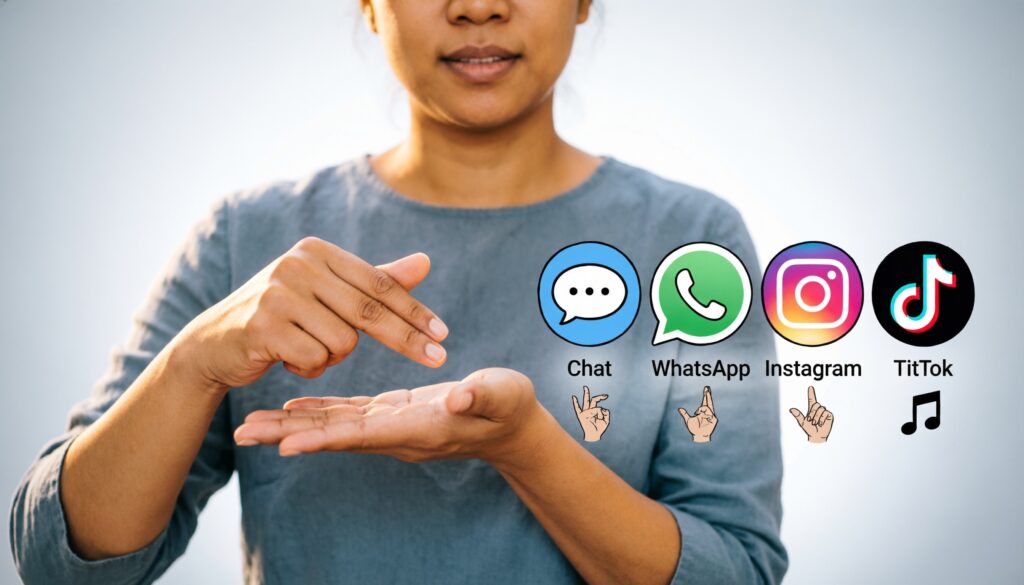
On social media, the kiwi slang meaning remains largely the same.
Users may write:
- “I’m Kiwi 🇳🇿”
- “Any Kiwis online?”
- “Kiwi humor is underrated.”
Sometimes creators use Kiwi simply to mention:
- Their nationality
- New Zealand culture
- Local food
- Travel experiences
- National pride
On TikTok, Instagram, and YouTube, hashtags like:
- #Kiwi
- #KiwiLife
- #KiwiHumor
typically relate to New Zealand rather than the fruit.
In private chats or WhatsApp conversations, someone saying:
“I’m Kiwi.”
usually means:
“I’m from New Zealand.”
The meaning is rarely misunderstood unless the conversation is about food.
Meaning in Physics, Medical, and Aircraft Terminology
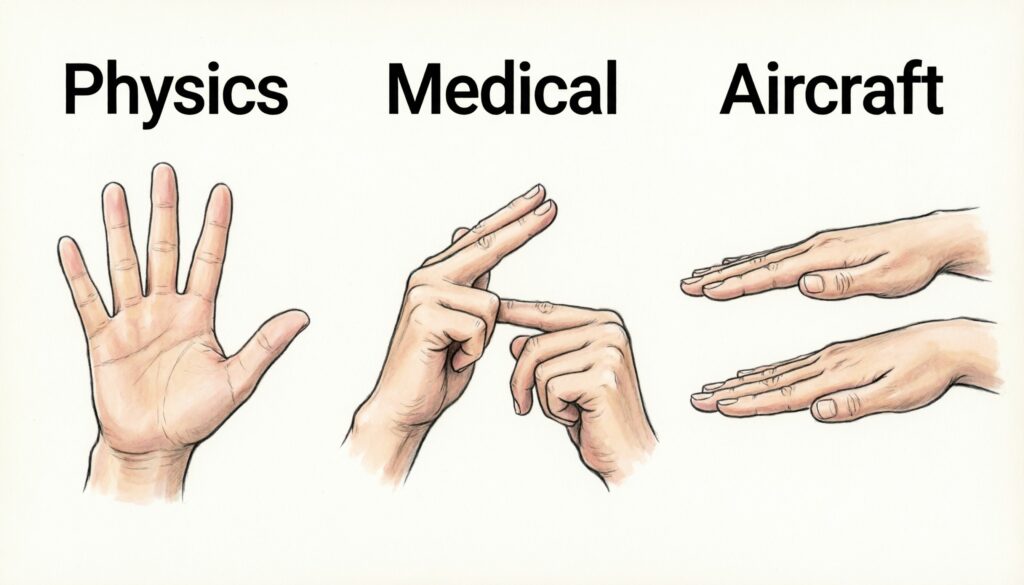
People sometimes wonder whether Kiwi has technical meanings in specialized fields.
Physics
There is no widely recognized physics definition of Kiwi. If it appears in scientific discussions, it is usually a project name, nickname, or proper noun rather than a technical physics term.
Medical
Kiwi is not a standard medical abbreviation.
However, healthcare professionals may mention:
- kiwi allergy
- kiwi fruit allergy
- dietary discussions involving kiwifruit
These refer to the fruit, not slang.
Aircraft
Kiwi is not an official aircraft abbreviation.
Occasionally, aviation communities may informally use “Kiwi” when referring to:
- New Zealand airlines
- New Zealand pilots
- Aircraft operated in New Zealand
Again, this is descriptive rather than official aviation terminology.
Common Misconceptions
Several misunderstandings surround this word.
Misconception 1
Kiwi only means the fruit.
Reality: It can also refer to a person from New Zealand.
Misconception 2
Calling someone a Kiwi is offensive.
Reality: Most New Zealanders proudly use the nickname themselves.
Misconception 3
Kiwi is only internet slang.
Reality: The term has been in common use for many decades.
Misconception 4
Kiwi always refers to the bird.
Reality: The bird, fruit, and nationality all share the same word, but context determines the meaning.
Similar Terms & Alternatives
Depending on context, similar expressions include:
- New Zealander
- NZ citizen
- New Zealand native
- Kiwi resident
- NZ local
These alternatives are more formal.
In casual conversation, “Kiwi” remains the most natural choice.
How to Respond to It
If someone says:
“I’m Kiwi.”
You can respond politely with:
- “That’s awesome!”
- “I’ve always wanted to visit New Zealand.”
- “Nice! Which part of New Zealand are you from?”
- “I’ve heard great things about Kiwi culture.”
If someone calls you a Kiwi and you’re from New Zealand, they’re usually acknowledging your nationality.
If you’re not from New Zealand, you can simply clarify:
“Actually, I’m not from New Zealand.”
Differences from Similar Words
Although they may appear related, these words have different meanings.
| Word | Meaning |
| Kiwi | Person from New Zealand, bird, or fruit depending on context |
| Kiwifruit | The edible fruit |
| New Zealander | Formal nationality |
| Kiwi bird | Native flightless bird |
| NZ | Common abbreviation for New Zealand |
Understanding these distinctions prevents confusion in conversations.
Relevance in Online Conversations & Dating Apps
Dating apps and online communities often include nationality in user profiles.
Someone may write:
- “Proud Kiwi.”
- “Kiwi living abroad.”
- “Looking for fellow Kiwis.”
This usually helps others understand the person’s background or location.
In online discussions, mentioning that someone is Kiwi often implies certain cultural experiences, travel interests, or national identity without requiring a lengthy explanation.
The term also appears frequently in international gaming communities, Reddit discussions, travel groups, and social networking platforms.
FAQ
- What does Kiwi mean in slang?
It usually refers to a person from New Zealand. - Is calling someone a Kiwi rude?
No. It is generally considered friendly and respectful. - Does Kiwi always mean the fruit?
No. It can refer to the fruit, the bird, or a New Zealander depending on context. - What does Kiwi mean in texting?
In most chats, it means someone from New Zealand. - Why are New Zealanders called Kiwis?
The nickname comes from the kiwi bird, an iconic national symbol of New Zealand.
Conclusion
The kiwi slang meaning is straightforward once you understand the context. Most commonly, it refers to a person from New Zealand and is widely accepted as a friendly national nickname. Although the same word also describes a bird and a fruit, everyday conversations usually make the intended meaning obvious.
If you see it in a WhatsApp message, TikTok caption, travel blog, dating profile, or sports discussion, Kiwi almost always represents New Zealand or its people. Understanding the different uses helps avoid confusion and allows you to communicate more naturally in both online and offline conversations. As with any slang or nickname, paying attention to context is the key to interpreting the word correctly.
Discover More Articles:
- Greek Slang Meaning : Save This Before Your Greece Trip (2026)
- Chile Slang Meaning : You Won’t Believe How People Use It
- Taco Slang Meaning:You Need to Know Before Using It

Emily Thompson is an English language educator and grammar writer at grammarnestz.com. She specializes in grammar rules, vocabulary development, writing skills, and language-learning resources for students and professionals.