Emo slang meaning is a popular search topic because the word “emo” is used in many different ways across online conversations, social media platforms, music communities, and everyday language. While many people connect “emo” with emotional expression, the term has developed a deeper cultural meaning over time.
Today, people use it to describe a mood, personality, fashion style, or even someone who appears sensitive and thoughtful. From TikTok captions to Instagram comments and casual chats, “emo” can carry different meanings depending on the situation. Understanding its true meaning helps you communicate better and avoid confusion when you see it online. In this article, we will explore the definition, history, uses, and different interpretations of the word “emo” in modern digital communication.
What Is an Emo Person? Meaning and Definition of Emo Slang
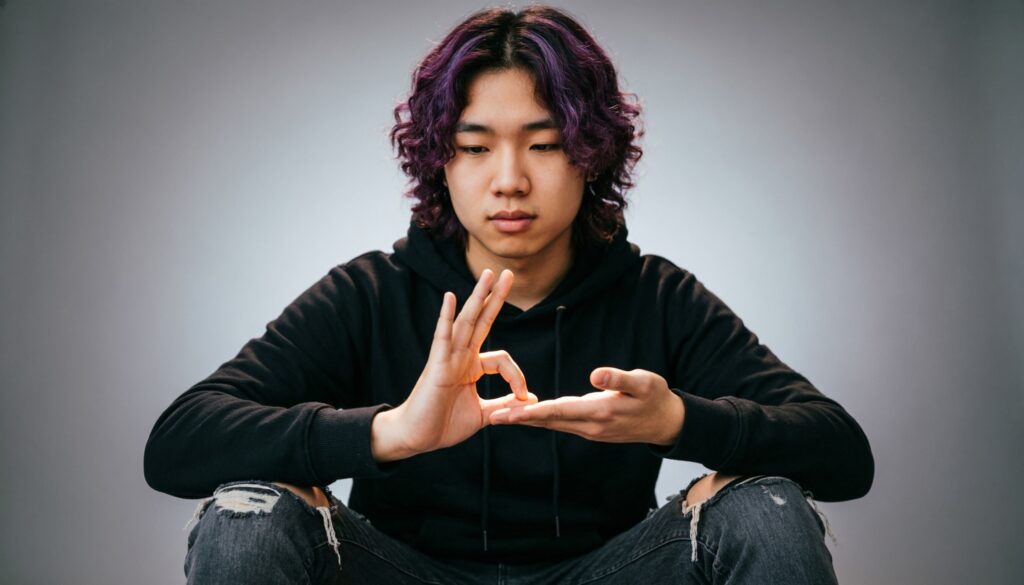
An emo person is someone who is connected with the emo culture, which is known for emotional expression, alternative fashion, and a strong connection to music. The emo slang meaning is often used to describe people who are sensitive, creative, and comfortable expressing their feelings openly. Many people misunderstand the term and think an emo person is always sad or depressed, but that is only a stereotype.
The emo identity originally developed from a style of rock music called emotional hardcore, which focused on personal experiences, relationships, struggles, and deep emotions. Over time, the word “emo” expanded beyond music and became a way to describe a certain lifestyle, fashion sense, and attitude.
An emo person may enjoy emotional or alternative music, wear darker clothing, have a unique hairstyle, and use art or writing to express their thoughts. However, being emo is not only about appearance; it is also about individuality, creativity, and showing emotions in a personal way.
Emo Slang Meaning in English: What Does Emo Really Mean?
The emo slang meaning in English refers to a person, style, or attitude connected with emotional expression and alternative culture. The word “emo” is a shortened form of “emotional,” but its modern meaning comes from the music scene that became popular in the 1990s and early 2000s.
In everyday slang, people may call someone “emo” when they notice emotional behavior, a dark fashion style, or an interest in alternative music. For example, someone who writes emotional poetry, listens to emotional rock songs, or prefers a unique style may be described as emo.
However, the meaning depends on the situation. Sometimes people use “emo” seriously to describe a cultural identity, while others use it casually as a joke or stereotype. The term does not automatically mean that someone is unhappy or negative. Many emo individuals are simply expressing themselves in a different and creative way.
Today, the word is commonly used on social media platforms, especially among younger generations, where fashion trends, music tastes, and personality styles often influence slang meanings.
Emo Slang Meaning Urban Dictionary: How Online Communities Define Emo
The emo slang meaning Urban Dictionary discussions often describe “emo” as someone who is emotional, artistic, and connected with alternative music and fashion. Online slang websites usually provide informal definitions created by users, so meanings can vary depending on the community and time period.
Many internet users associate the word emo with certain characteristics, such as:
- Wearing black or dark-colored clothing
- Listening to emotional rock or alternative music
- Having expressive hairstyles
- Sharing personal feelings openly
- Being interested in creative activities like art, writing, or photography
However, online definitions can sometimes exaggerate the meaning of emo and create stereotypes. Calling someone emo does not always describe their personality accurately. A person may enjoy emo fashion or music without identifying as part of the emo subculture.
The meaning of emo has continued to change with internet culture. Today, people use the term in memes, comments, and social media conversations in different ways.
What Does Emo Mean on TikTok? Understanding the Modern Usage
The emo meaning TikTok has become broader than its original meaning. On TikTok, the word “emo” is often used to describe a specific aesthetic, fashion style, or mood rather than only a music genre.
Many TikTok users use “emo” when talking about:
- Alternative fashion trends
- Dark or dramatic outfits
- Emotional song choices
- Nostalgic 2000s styles
- Unique hairstyles and makeup looks
For example, someone may create a TikTok video with dark clothing, emotional music, and a creative style, and viewers may describe that person as “emo.” In many cases, TikTok uses the word as an aesthetic label rather than a serious identity.
The platform has also introduced new generations to emo culture by bringing back older fashion trends and music styles. Many young people discover emo bands, hairstyles, and alternative communities through TikTok videos.
Emo Boy Meaning: What Does an Emo Boy Represent?
The emo boy meaning refers to a male who identifies with or follows emo-inspired culture, including music, fashion, and emotional self-expression. An emo boy may have a style influenced by alternative rock culture, such as dark clothing, creative hairstyles, and accessories that represent individuality.
The term does not mean that an emo boy is always sad, weak, or overly emotional. Instead, many emo boys use music, art, and personal expression as ways to share their feelings and personality.
Common traits associated with the emo boy style include:
- Interest in emotional or alternative music
- A unique fashion sense
- Creative personality
- Open expression of feelings
- Preference for individual style over mainstream trends
On social media, “emo boy” is often used to describe a specific aesthetic or appearance, especially in fashion and lifestyle communities.
Emo Girl Meaning: Understanding the Emo Girl Style and Identity
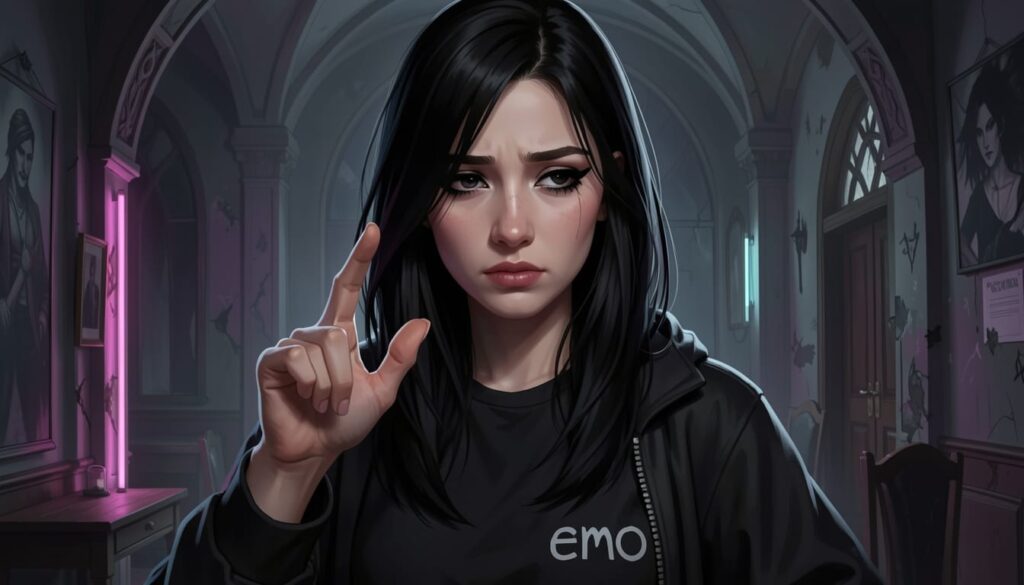
The emo girl meaning describes a girl who connects with emo culture through her fashion, music preferences, and personal expression. An emo girl is often associated with alternative styles that may include dark outfits, bold makeup, creative hairstyles, and an interest in emotional music.
The term became popular through online communities where people shared fashion ideas, music recommendations, and personal experiences. Many people view emo girls as creative, independent, and expressive.
An emo girl may enjoy:
- Alternative rock and emotional music
- Artistic hobbies
- Unique fashion choices
- Expressing personal thoughts and feelings
- Building an identity outside traditional trends
Like the term “emo boy,” the meaning of “emo girl” is not limited to appearance. It can represent a person’s connection with a culture that values individuality and emotional honesty.
What Does Emo Kid Mean in Slang?
The phrase emo kid meaning usually refers to a young person who follows emo-inspired fashion, music, or lifestyle. It is commonly used online and in casual conversations to describe teenagers or young adults who identify with the emo aesthetic.
An emo kid may be interested in:
- Emotional music genres
- Alternative clothing styles
- Creative hobbies
- Personal expression
- Online communities related to emo culture
Sometimes the phrase is used positively to describe someone’s unique style. In other situations, it can be used as a stereotype or joke. The meaning depends on the speaker’s intention and the context where it is used.
What Does Emo Mean Sexually? Is Emo a Sexual Term?
Many people search “what does emo mean sexually” because they want to understand whether the word has a hidden meaning. Generally, emo is not a sexual term. It mainly describes a music culture, fashion style, and emotional way of expressing oneself.
In some online conversations, people may use “emo” when talking about attraction, relationships, or dating preferences. For example, someone might say they like emo-style people because they find their appearance or personality attractive. However, the word itself does not have a specific sexual definition.
The meaning remains connected to:
- Emotional expression
- Alternative lifestyle
- Music preferences
- Fashion and aesthetics
Understanding the context is important because slang words can sometimes gain different meanings in specific online communities.
Conclusion: Understanding the Real Meaning of Emo Slang
The emo slang meaning has changed over time, but its main idea remains connected to emotional expression, alternative culture, and individuality. Whether someone uses the word to describe an emo person, emo boy, emo girl, or emo kid, the meaning usually depends on the context.
Today, “emo” is used across music, fashion, TikTok trends, and online conversations. While some people use it as a simple style label, others see it as a meaningful identity connected to creativity and self-expression. Understanding the true meaning helps avoid common stereotypes and shows why emo culture continues to influence modern internet slang.
Meaning & Definition of Emo Slang
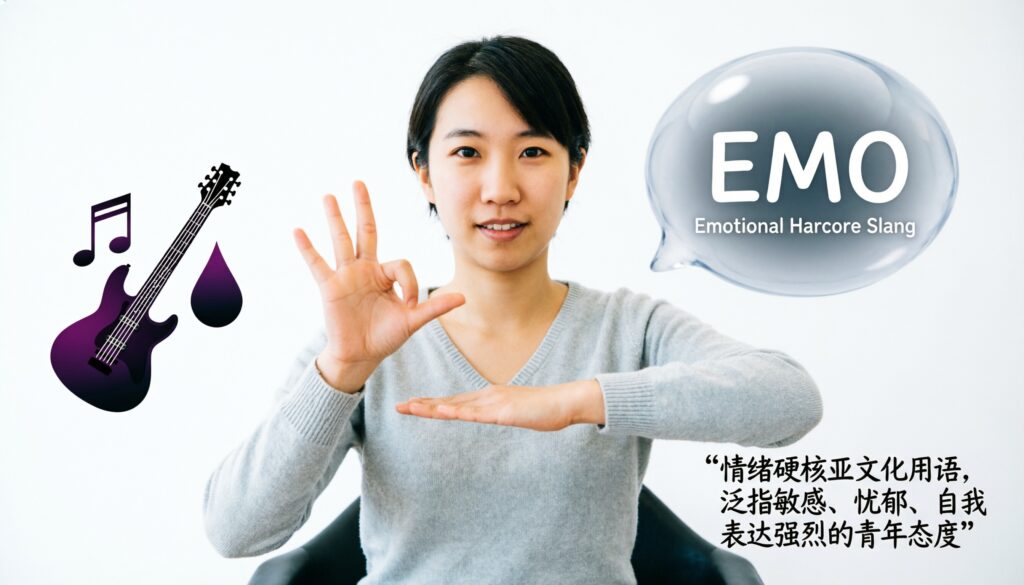
The basic emo slang meaning refers to someone who is highly emotional, expressive, or connected with deeper feelings. The word “emo” originally comes from “emotional,” but today it is more than just a description of feelings. It is often used as slang to describe a person’s mood, style, or attitude.
In casual conversations, calling someone “emo” may mean they seem sad, sensitive, quiet, or reflective. For example, someone might say, “He is feeling emo today,” meaning that person is acting emotional or experiencing a low mood.
The term is also linked to a music and fashion subculture that became popular in the early 2000s. Emo culture included emotional lyrics, dark clothing, unique hairstyles, and a focus on personal experiences. Because of this connection, some people use “emo” to describe a specific aesthetic or lifestyle.
However, the meaning depends heavily on context. It can be used seriously, jokingly, or even as a compliment. A person might call a friend “emo” because they enjoy emotional music, while another person might use it to describe someone who is feeling upset.
Background and Origin of Emo Slang
The history behind the term “emo” is connected to music and youth culture. The word developed from “emotional hardcore,” a style of punk rock music that became popular in the 1980s. This genre focused on personal emotions, relationships, and inner struggles.
Over time, emo music evolved and became widely recognized in mainstream culture during the early 2000s. Bands associated with the emo movement helped popularize emotional lyrics and expressive styles among young people.
As internet culture grew, the word “emo” moved beyond music and became everyday slang. People began using it on forums, social media, and messaging apps to describe feelings, moods, or personal styles.
Today, the term is not limited to a specific group. Someone can use “emo” simply to describe a temporary emotional state, such as feeling sad after watching a movie or remembering an old memory. Others use it as part of their identity related to music, fashion, or creativity.
The evolution of “emo” shows how slang words can change meaning over time. A term that started in a music scene has become a common expression used by millions of internet users.
Emo Meaning in Chat, WhatsApp, Instagram, and TikTok
In online conversations, “emo” is commonly used to describe emotions, moods, or reactions. People often use it casually in texts and comments.
Examples:
- “I’m feeling emo today.”
- “This song made me emo.”
- “Why are you being so emo?”
On TikTok and Instagram, “emo” is often connected with emotional videos, sad songs, nostalgic content, or alternative fashion styles. Users may add hashtags like #emo to show their interest in emo music, aesthetics, or emotional content.
In WhatsApp chats, friends may use “emo” as a playful word when someone is being dramatic or overly sensitive.
Emo Meaning in Professional Fields
In professional environments, “emo” is rarely used as slang. However, professionals may discuss “emo” when referring to emotional expression, emotional intelligence, or cultural trends.
For example, marketing experts may study emo aesthetics because certain fashion styles and online communities influence consumer behavior.
In psychology-related discussions, the word may appear informally when talking about emotional states, but professionals usually prefer more accurate terms like “emotionally distressed” or “emotionally sensitive.”
Emo Meaning in Physics, Medical, and Aircraft Terminology
The slang word “emo” does not have a common meaning in physics, medical science, or aircraft terminology.
In Physics:
“Emo” is not a recognized scientific term or standard abbreviation in physics.
In Medical Fields:
Doctors and healthcare professionals do not use “emo” as an official medical term. Emotional conditions are described using proper clinical terms related to mental health and behavior.
In Aircraft Terminology:
“Emo” is not a standard aviation abbreviation or technical term used in aircraft communication.
If someone encounters “emo” in these fields, the meaning may depend on a specific organization, abbreviation system, or context rather than slang usage.
Common Misconceptions About Emo
Many people misunderstand the meaning of “emo” and assume it only refers to sadness or negativity. This is one of the biggest misconceptions.
Being emo does not automatically mean someone is depressed, weak, or unhappy. The term can describe emotional openness, creativity, music preferences, or personal style.
Another misconception is that every person who wears dark clothes or listens to emotional music is emo. Fashion and music are connected with emo culture, but they do not define every individual.
Some people also use “emo” as an insult, while others proudly identify with the term. The meaning depends on the speaker’s intention and the situation.
Understanding the context is important before deciding what someone means when they use the word.
Similar Terms and Alternatives
Several words are related to “emo” but have different meanings:
- Emotional: Describes someone who experiences or expresses strong feelings.
- Sensitive: Refers to someone who reacts deeply to situations.
- Melancholic: Describes a thoughtful or slightly sad mood.
- Goth: A subculture often associated with dark fashion and music but different from emo.
- Depressed: A mental health condition that is different from simply feeling emotional.
Although these words may overlap, they should not always be used interchangeably.
How to Respond When Someone Says Emo
Your response depends on how the word is used.
If someone says, “I’m feeling emo today,” you can respond with support:
- “I hope you feel better. Want to talk?”
- “What happened?”
- “I understand that feeling.”
If someone calls you emo jokingly, you can respond casually:
- “Maybe, I just like emotional songs.”
- “Haha, I guess I am today.”
The best response is to understand the tone and relationship between the people involved.
Differences Between Emo and Similar Words
Although emo is related to emotions, it has a unique cultural meaning.
Emotional:
- Emotional describes feelings.
- Emo can describe a style, identity, or emotional mood.
Sad:
- Sad is a temporary feeling.
- Emo may refer to a personality style or cultural connection.
- Goth:
- Emo focuses more on emotional expression and personal feelings.
- Goth is more connected with gothic fashion, art, and themes.
Understanding these differences helps avoid incorrect interpretations.
Emo in Online Conversations and Dating Apps
On dating apps, “emo” can describe someone’s personality, music taste, or appearance. Some users mention being emo to show they enjoy alternative culture, emotional music, or creative expression.
In online conversations, the term may also describe someone who shares deep thoughts, emotional posts, or personal experiences.
For some people, an emo personality is attractive because it suggests honesty, creativity, and emotional awareness. Others may use it simply as a fun description of their mood.
Like many slang terms, the meaning changes depending on who uses it and why.
Frequently Asked Questions About Emo Slang Meaning
- What does emo slang meaning refer to?
Emo slang meaning refers to someone who is emotional, expressive, or connected with emo culture and style. - Is emo a negative word?
No, emo is not always negative. It can describe feelings, music taste, fashion, or personality. - What does emo mean on TikTok?
On TikTok, emo often refers to emotional content, alternative style, sad songs, or emo culture. - Is emo the same as being depressed?
No, being emo and being depressed are different. Emo is often a style or expression, while depression is a medical condition. - Can someone use emo as a compliment?
Yes, some people use emo positively to describe creativity, emotional depth, or unique style.
Conclusion
Understanding emo slang meaning helps explain why this word appears so often in online conversations, music communities, and social media platforms. Although it started as a term connected to emotional music, “emo” has grown into a wider expression describing moods, styles, and personal identities. Depending on the context, it can mean someone feels emotional, enjoys emo culture, or simply relates to deeper feelings.
It is important not to judge the word only by stereotypes because many people use it in different ways. Whether you see “emo” in a chat, TikTok video, Instagram caption, or casual conversation, the surrounding context usually reveals the real meaning. Learning modern slang like this makes digital communication easier and helps you understand how language continues to evolve.
Discover More Articles:
- Tuff Slang Meaning in Chat: Everything You Need to Know
- What Does TS Mean in Slang? Complete Guide for Beginners
- What Does Soy Boy Mean? Soy Slang Explained Simply

Hi, I’m James Richardson, the creator of GrammarNestz.com. My mission is to help students, writers, and language enthusiasts improve their English grammar skills through practical guides, easy lessons, and useful learning resources.