
Introduction
Soy slang meaning has become one of those internet phrases that people often see in memes, social media posts, gaming chats, and online debates. The first time I came across it, I realized it was being used in different ways depending on the conversation, which made me curious enough to dig deeper.
If you’ve ever wondered why someone is called “soy” online or what the term actually implies, you’re in the right place. In this guide, I’ll explain the meaning of soy slang meaning in simple English, where it came from, how people use it on platforms like X, TikTok, Reddit, and Discord, and when it’s appropriate or inappropriate to use it in everyday conversations.
What Does Soy Slang Mean in English?

The soy slang meaning in English has little to do with the actual soybean. In online culture, “soy” is used as a slang insult to describe someone who is perceived as overly emotional, weak, submissive, or eager to gain approval from others. It is often aimed at people who are seen as lacking confidence or behaving in an exaggeratedly soft manner.
The term became popular on internet forums, meme pages, and social media platforms before spreading to mainstream online conversations. Today, you might see someone described as “soy” during arguments on X (Twitter), Reddit, YouTube, or gaming communities. However, the label is highly subjective and is usually based on personal opinion rather than any factual trait.
It’s also important to understand that soy can have different meanings depending on the context. In everyday English, soy simply refers to the soybean or soy-based foods such as tofu and soy milk. The slang meaning exists only in internet culture and should not be confused with the food or agricultural term.
Examples:
- “People in the comments keep calling him soy because he got emotional.”
- “That meme uses ‘soy’ as an internet joke, not a real personality description.”
What Does Soy Mean on TikTok?

The soy slang meaning on TikTok is mostly influenced by internet memes and viral trends. TikTok creators often use the word soy to make fun of someone’s exaggerated facial expressions, emotional reactions, or enthusiastic behavior. In many cases, the term appears in comedy videos, reaction clips, and meme edits.
On TikTok, users may call someone “soy” if they:
- Overreact to small situations.
- Seem overly excited about something.
- Constantly seek validation from others.
- Appear overly emotional in videos.
Many videos also feature the well-known “soy face,” a meme showing someone with a wide-open mouth and exaggerated excitement. The image is commonly used to joke about people who appear excessively enthusiastic about products, entertainment, or trends.
Keep in mind that TikTok users often use the word humorously rather than literally. The meaning depends heavily on the video’s context, and many creators simply repeat popular memes without intending serious criticism.
Example:
“The comments called his reaction ‘soy’ because he looked overly excited about the new phone.”
What Is a Soy Boy?
A soy boy is an internet slang term used to describe a man who is viewed as lacking traditional masculine characteristics. The phrase is generally used as an insult and suggests that someone is overly emotional, passive, physically weak, or easily influenced.
The expression became popular in online communities during the late 2010s and quickly spread across social media, YouTube, Reddit, and meme websites. Today, it is commonly used in debates about masculinity, politics, and internet culture.
People may use soy boy to describe someone who:
- Avoids confrontation.
- Is very emotionally expressive.
- Tries too hard to please others.
- Appears physically or mentally weak.
- Shows excessive enthusiasm in memes.
Although the phrase is widespread online, many people consider it offensive or dismissive because it stereotypes personality traits and masculinity.
Does Soy Milk Really Create a “Soy Boy”?

Many people search for soy boy milk because they believe drinking soy milk causes men to become less masculine. This belief became popular through internet memes, but scientific research does not support this claim.
Soy foods contain natural compounds called isoflavones, which are plant-based substances that act differently from human estrogen. Numerous medical studies have found that moderate soy consumption does not significantly lower testosterone levels or make men feminine.
The connection between soy milk and the term soy boy is therefore based on an online stereotype rather than scientific evidence. The nickname became popular because internet communities used soy as a symbol rather than because of proven health effects.
In reality:
- Drinking soy milk does not make someone a “soy boy.”
- Soy products are safe for most healthy adults.
- The slang term exists mainly as an internet meme.
What Does Soy Mean in Spanish?
If you’re learning Spanish, the word soy has a completely different meaning from internet slang.
In Spanish, soy is the first-person singular form of the verb ser, which means “I am.”
Examples include:
- Soy estudiante. – I am a student.
- Soy médico. – I am a doctor.
- Soy feliz. – I am happy.
- Soy de España. – I am from Spain.
So, when people search for soy meaning Spanish or what does soy mean in English, they are usually referring to the Spanish verb rather than the internet slang. The English translation is simply “I am.”
What Does Soy Boy Mean in Spanish?

The phrase soy boy in Spanish can be confusing because the word soy already means “I am.” However, when Spanish speakers discuss internet memes, they usually keep the English expression soy boy unchanged.
There is no official Spanish translation that carries the same internet slang meaning. Instead, Spanish-speaking users understand it as an English meme or internet insult.
For example:
- Es un soy boy.
- Lo llaman un soy boy en internet.
These sentences borrow the English phrase instead of translating it literally.
Is There a Female Version of Soy Boy?

There is no universally accepted female version of “soy boy.” Unlike many slang terms, this expression specifically developed to describe men.
However, internet users have jokingly created unofficial alternatives, including:
- Soy girl
- Soy woman
- Female soyjak (based on the Soyjak meme)
These terms are much less common and usually appear only in meme communities. They do not have standard definitions and are rarely used outside internet jokes.
Overall, soy boy remains the primary expression, while female versions vary depending on the platform and online community.
Meaning & Definition With Examples
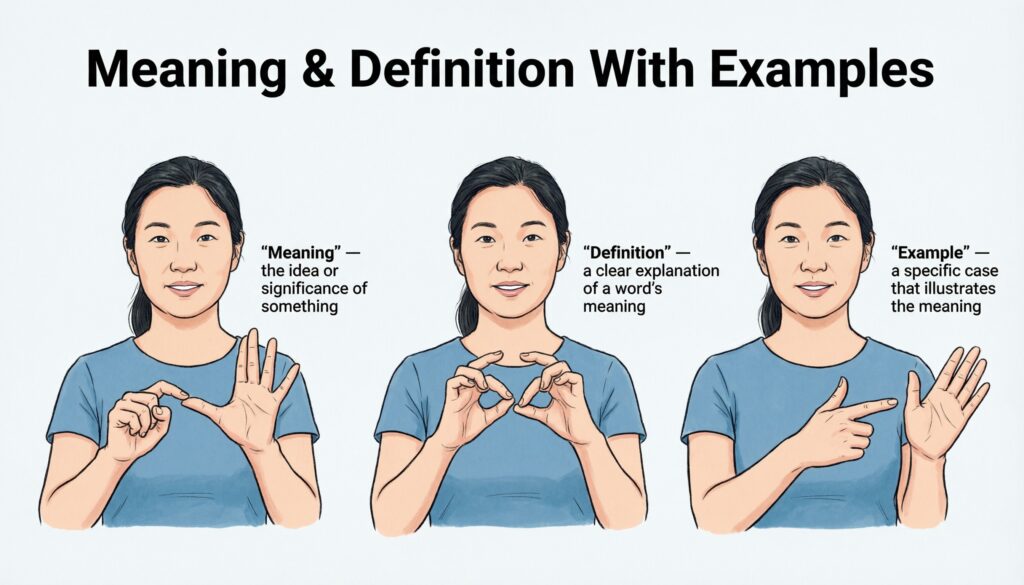
The soy slang meaning generally refers to someone who is perceived as overly emotional, submissive, weak, or eager to gain approval from others. It is most often used as an insult or sarcastic label in online communities. The term doesn’t literally relate to soybeans in most internet conversations. Instead, it reflects a stereotype that emerged from online debates and memes.
People may use “soy” to criticize someone they believe is acting overly enthusiastic, easily offended, or lacking confidence. For example, if someone reacts with exaggerated excitement about a product or celebrity, another person might jokingly call them “soy.”
Example sentences include:
- “That reaction was so soy.”
- “People in the comments are acting soy today.”
- “Don’t be so soy about it.”
The meaning depends heavily on tone and context. Friends may use it jokingly, while strangers may use it to mock or insult someone during an argument.
It is important to remember that internet slang changes over time. Not everyone uses the word in the same way, and some communities avoid it because it can be disrespectful or offensive.
In casual conversations, the word often appears in memes, gaming chats, political discussions, and comment sections. Understanding the context is essential before assuming what someone means.
Background
The slang use of “soy” developed from internet culture during the late 2010s. It became popular through memes, online forums, and social media platforms where users created stereotypes about certain personality traits.
The expression was influenced by the phrase “soy boy,” a label used online to mock men who were considered overly sensitive or lacking traditionally masculine characteristics. Over time, internet users shortened the phrase to simply “soy.”
Memes played a significant role in spreading the term. Image boards, Reddit communities, gaming forums, and social media users shared jokes featuring exaggerated facial expressions and emotional reactions, often associating them with the word “soy.”
As the slang spread, its meaning became broader. Today, people may use it to describe anyone they think is acting overly dramatic, excessively enthusiastic, or trying too hard to impress others.
However, the term is controversial. Some people see it as harmless internet humor, while others consider it insulting because it relies on stereotypes.
Modern internet culture constantly changes slang meanings. Just like many online expressions, “soy” has evolved beyond its original meme origins and now appears across different communities with slightly different interpretations.
Understanding its background helps explain why reactions to the word vary. Some users laugh at it, while others dislike or avoid using it altogether.
Usage in Different Contexts (Chat, Social Media, Professional Fields)
The meaning of “soy” changes depending on where it is used.
Chat
In private chats, friends may jokingly call each other “soy” after an exaggerated reaction or emotional response.
Example:
- “You’re getting way too excited—that’s soy.”
Social Media
On platforms like X, Reddit, Instagram, and Facebook, the term often appears in debates, memes, and comment sections. It usually carries a sarcastic tone.
Gaming
Gamers sometimes use the word during competitive matches to tease opponents or teammates.
Example:
- “Stop acting soy and focus on the game.”
Professional Fields
In workplaces, business communication, education, or formal writing, the slang should generally be avoided. It can sound disrespectful and unprofessional.
Although internet slang often enters everyday language, “soy” remains best suited for informal conversations where everyone understands the intended humor.
Because interpretations differ, using respectful language is usually a better choice when communicating with people you don’t know well.
Meaning in Chat, WhatsApp, Instagram, TikTok
Different platforms influence how slang is interpreted.
Chat
Usually playful teasing between friends.
Often appears in group conversations, especially among younger users discussing memes or internet culture.
Comment sections may use it sarcastically to react to influencers, celebrities, or viral videos.
TikTok
TikTok users frequently use “soy” in meme videos, reaction clips, and humorous commentary. The meaning often depends on the creator’s tone and audience.
Across all these platforms, the word is rarely meant literally. Instead, it reflects internet humor, sarcasm, or criticism.
Reading surrounding messages helps determine whether someone is joking or genuinely insulting another person.
Meaning in Physics, Medical, and Aircraft Terminology

Outside internet slang, “soy” has completely different meanings.
Physics
The word has no recognized meaning in physics terminology.
Medical
In medicine, “soy” refers to soybeans or soy-derived products used in nutrition, food allergies, infant formulas, and dietary research. It is unrelated to internet slang.
Aircraft
There is no standard aviation definition of “soy” in aircraft terminology.
Whenever you encounter the word in scientific or technical material, it almost always refers to soy-based food products rather than online slang.
Common Misconceptions
Many misunderstand the slang because of its connection to actual soy products.
Some common misconceptions include:
- It does not literally mean someone eats soy.
- It is not an official psychological term.
- It isn’t appropriate in professional communication.
- Everyone does not interpret it the same way.
- It isn’t always intended as serious criticism; sometimes it’s only a meme.
Understanding context prevents confusion and unnecessary misunderstandings.
Similar Terms & Alternatives
Several internet slang words express similar ideas, although each has a different meaning.
- NPC
- Simp
- Cringe
- Beta
- Soft
- Corny
- Try-hard
These expressions are not perfect synonyms, but they are sometimes used in similar conversations.
Choosing the correct word depends on the specific situation and intended meaning.
How to Respond to It
If someone calls you “soy,” your response depends on the situation.
- Stay calm and avoid reacting emotionally.
- Ask what they mean if the context is unclear.
- Ignore obvious trolling.
- Laugh it off if friends are joking.
- End the conversation if it becomes disrespectful.
Responding politely usually prevents unnecessary arguments online.
Differences from Similar Words
Although “soy” resembles several internet slang terms, each has a unique meaning.
| Term | Primary Meaning |
| Soy | Used to describe someone seen as overly emotional or submissive. |
| Simp | Someone showing excessive attention toward another person, usually romantically. |
| NPC | Someone viewed as unoriginal or lacking independent thought. |
| Cringe | Something awkward or embarrassing. |
| Beta | Someone considered passive or lacking confidence. |
Knowing these differences helps you understand internet conversations more accurately.
Relevance in Online Conversations & Dating Apps
Internet slang appears frequently in online communities and dating platforms.
People may jokingly use “soy” while discussing dating advice, relationships, or profile behavior. In some cases, users criticize overly emotional messages or excessive compliments by labeling them “soy.”
However, using this slang with someone you don’t know can easily cause misunderstandings. Since the term is often interpreted as insulting, respectful communication remains the better choice on dating apps and in online communities.
Understanding the expression helps you recognize the intended tone without automatically taking offense.
Frequently Asked Questions
- What does soy mean in slang?
It usually describes someone perceived as overly emotional, submissive, or overly eager to please, often in a sarcastic way. - Is soy an insult?
It can be. Some people use it jokingly, while others use it to criticize or mock someone. - Does soy refer to soybeans?
Not in internet slang. In slang, it has a figurative meaning unrelated to food. - Where is soy slang commonly used?
It appears on TikTok, Reddit, Instagram, X, Discord, gaming communities, and online forums. - Should I use soy in professional conversations?
No. Because it can sound offensive or disrespectful, it’s best avoided in formal communication.
Conclusion
The soy slang meaning is rooted in internet culture and is commonly used to describe someone perceived as overly emotional, submissive, or excessively enthusiastic, usually with a sarcastic or mocking tone. While it originated from online memes, its meaning has expanded across social media, gaming communities, and digital conversations. Like many slang expressions, its interpretation depends on context, audience, and intent. Some people use it humorously among friends, while others see it as an offensive label.
Understanding where and how the term is used helps you avoid confusion and communicate more effectively online. Whether you encounter it in TikTok comments, Reddit discussions, WhatsApp chats, or gaming forums, recognizing its context is the key to understanding the message. As internet language continues to evolve, staying informed about modern slang makes online conversations easier to follow and interpret.
Discover More Articles:
- UK Slang Meaning: 100+ Common British Slang Words Explained
- Vato Meaning in Mexican Slang: Origin, Uses & Cultural Context
- The Complete Guide to Concha Slang Meaning and Its Usage

Hi, I’m James Richardson, the creator of GrammarNestz.com. My mission is to help students, writers, and language enthusiasts improve their English grammar skills through practical guides, easy lessons, and useful learning resources.