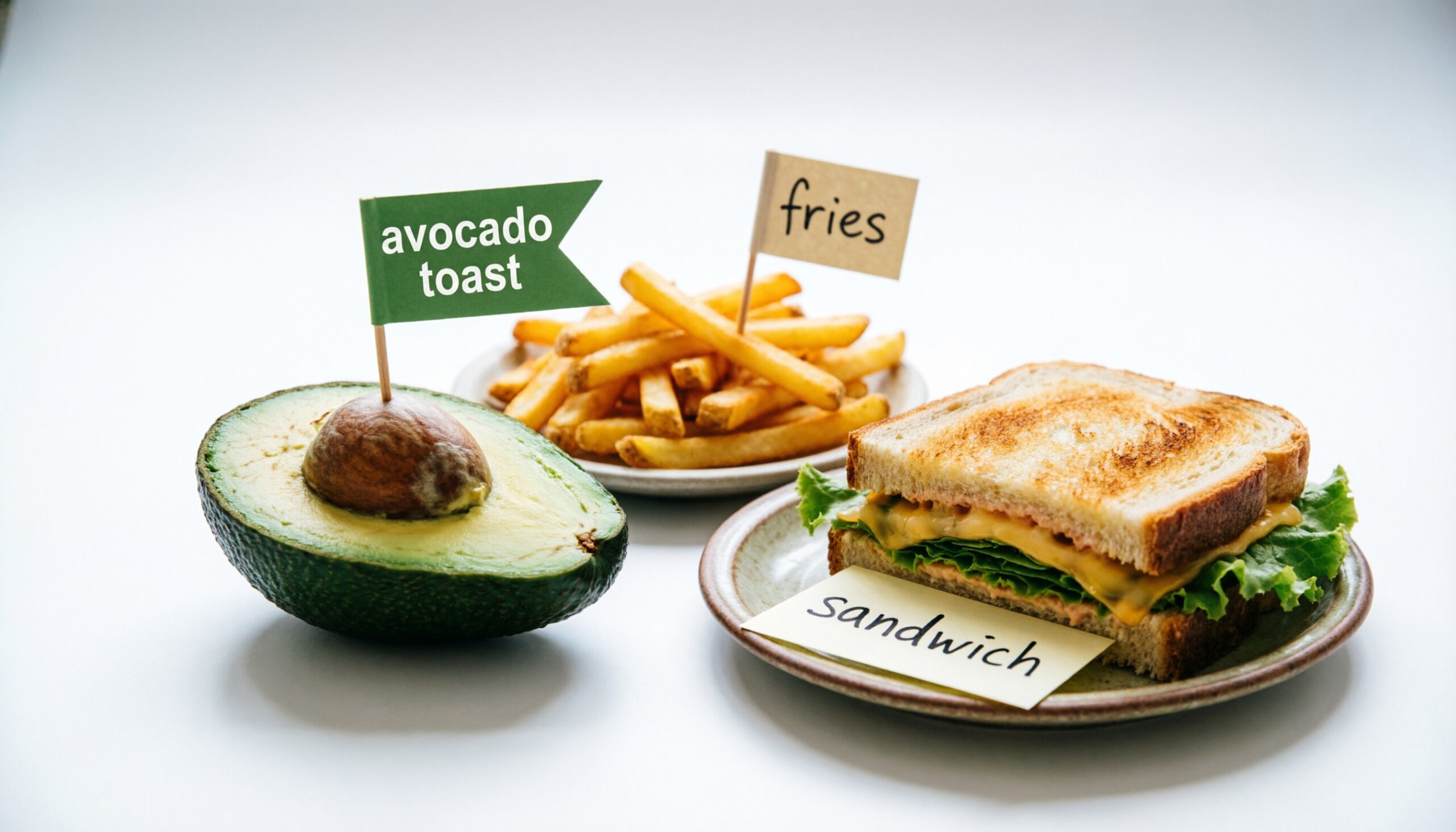
Food slang meaning can be surprisingly different from the literal meaning of the word “food.” In everyday conversations, social media, texting, and modern internet culture, people often use food-related words to describe someone’s appearance, personality, attraction, quality, or an enjoyable experience. You may see expressions such as “you’re food,” “that’s fire,” “she’s a snack,” “this is bussin,” or “eat” used in ways that have little to do with an actual meal.
Understanding food slang is useful because slang changes quickly, especially on platforms such as TikTok, Instagram, Snapchat, and messaging apps. A phrase that sounds strange literally may have a completely different meaning in casual conversation.
In this guide, we’ll explain the food slang meaning, where food-related slang comes from, how people use it, common examples, related expressions, possible misunderstandings, and how to understand food slang in different online contexts.
What Is the Food Slang Meaning?
The phrase food slang meaning generally refers to the informal or figurative meanings people give to food-related words and expressions.
Instead of referring to something you eat, food words can be used creatively to describe:
- Someone who looks attractive
- Something that looks extremely good
- A high-quality experience
- Something exciting or impressive
- A person’s personality or behavior
- A satisfying result
- Something desirable or appealing
For example, when someone says:
“That outfit is straight fire.”
They are not saying the outfit is literally burning. “Fire” is slang for something excellent, impressive, stylish, or highly appealing.
Similarly, if someone says:
“She’s a snack.”
They usually mean that the person is attractive or good-looking.
The exact meaning depends heavily on the sentence, platform, relationship between speakers, and overall context.
Why Do People Use Food Words as Slang?
Food is closely connected with emotions, pleasure, satisfaction, and desire. Because of this, it is easy for people to use food as a metaphor.
Think about everyday expressions such as:
- “That looks delicious.”
- “You look good enough to eat.”
- “That idea is tasty.”
- “That was a feast.”
- “I could eat that up.”
Over time, informal speech and internet culture have transformed similar expressions into slang.
Social media has accelerated this process. TikTok comments, Instagram captions, memes, gaming communities, and texting have made food-related slang more popular and creative.
A simple food word can become a way to express excitement without writing a long explanation.
Common Food-Related Slang Words and Their Meanings
Here are some popular food-related slang expressions you may encounter online.
| Slang | Common Meaning |
|---|---|
| Snack | An attractive person |
| Bussin | Extremely good, especially food |
| Fire | Excellent, exciting, or impressive |
| Cooked | In trouble, defeated, exhausted, or unsuccessful depending on context |
| Let him cook | Allow someone to continue because they may produce something impressive |
| Ate | Did something extremely well |
| Devoured | Performed exceptionally well |
| Cheesy | Overly sentimental, corny, or cliché |
| Spicy | Interesting, controversial, bold, or exciting |
| Salty | Upset, bitter, or annoyed |
| Beef | An argument or conflict |
| Tea | Gossip or interesting information |
| Cake | Attractive buttocks |
| Thirsty | Desperate for attention or romantic interest |
| Sizzlin’ | Attractive, exciting, or impressive |
Not every expression is appropriate for every situation. Some are playful, while others can be suggestive or rude.
“Food” as Slang: Does Food Itself Have a Slang Meaning?

The word “food” by itself does not have one universal slang definition.
In some online communities, someone may use “food” metaphorically to mean something desirable, entertaining, or satisfying. However, the interpretation can vary.
For example:
“This content is food.”
Depending on the community, the speaker may mean:
- The content is extremely satisfying.
- They really enjoy watching it.
- It gives them something interesting to consume.
- The content is entertaining or valuable.
This is why you should always consider the surrounding conversation instead of assigning one fixed meaning to the word.
“Snack” Slang Meaning
One of the most recognizable food-related slang expressions is “snack.”
When someone says:
“He is a snack.”
They usually mean:
“He is very attractive.”
The expression is often used casually on social media.
Examples
- “Wow, he looks like a snack in that suit.”
- “She’s definitely a snack.”
- “That actor is a whole snack.”
A stronger variation is:
“A whole snack.”
This emphasizes that the person is especially attractive.
Because the expression can have a sexual or flirtatious undertone, it is best used carefully and mainly in casual conversations.
“Bussin” Food Slang Meaning
Bussin became especially popular through social media and is strongly associated with food.
It generally means:
Extremely good, delicious, or satisfying.
For example:
“This chicken is bussin!”
The speaker means that the chicken tastes really good.
You may also see:
“This meal is bussin.”
or
“That restaurant was bussin.”
Although it is most commonly associated with delicious food, people sometimes use the expression more broadly to describe something they really enjoy.
“Ate” Slang Meaning
Another major expression in modern internet slang is “ate.”
When someone says:
“She ate.”
They usually mean that the person performed extremely well.
It can refer to:
- Fashion
- Dancing
- Singing
- Public speaking
- Makeup
- A social media post
- A performance
- A clever response
Example
“She walked onto the stage and absolutely ate.”
This means she performed exceptionally well.
You may also see:
“She ate and left no crumbs.”
This is an exaggerated way of saying that someone did an outstanding job.
The phrase uses eating as a metaphor for completely succeeding at something.
“Cooked” and “Let Him Cook”
The word “cooked” has several slang meanings.
Someone might say:
“Bro is cooked.”
This can mean the person is:
- In serious trouble
- Exhausted
- Defeated
- In a difficult situation
- Unlikely to succeed
However, “let him cook” has a different meaning.
It generally means:
Give someone time or freedom to continue because they may have a good idea or impressive result.
Example
“His plan sounds strange, but let him cook.”
The speaker is saying that you should not judge the idea too quickly.
This expression became especially common in internet and meme culture.
“Fire” as Food-Related Slang
Fire is not technically food slang, but it is frequently connected with food descriptions.
If someone says:
“This pizza is fire.”
They mean:
“This pizza is extremely good.”
The word can also describe music, clothes, movies, ideas, or performances.
Examples
- “That burger is fire.”
- “Your new shoes are fire.”
- “This song is fire.”
- “That idea is fire.”
The meaning is generally positive.
“Spicy” Slang Meaning
The word spicy can describe something exciting, controversial, bold, or unexpected.
For example:
“That comment section is getting spicy.”
This means the discussion is becoming dramatic or argumentative.
Another example:
“I have a spicy opinion.”
This usually means:
“I have an unusual, controversial, or provocative opinion.”
The word can also have a flirtatious or suggestive meaning depending on the context.
“Salty” Slang Meaning
Salty is another food-related word that developed a popular slang meaning.
If someone is salty, they are usually:
- Annoyed
- Bitter
- Upset
- Resentful
- Unhappy about a situation
Example
“He’s salty because he lost the game.”
This means he is upset about losing.
The expression is common in gaming, sports, social media, and everyday internet conversations.
“Beef” Slang Meaning
In slang, beef usually means a conflict, disagreement, or ongoing argument between people.
For example:
“Those two creators have beef.”
This means they have a public disagreement or conflict.
You might also see:
“What’s the beef?”
That means:
“What is the problem or disagreement?”
This is a good example of how an ordinary food word can develop a completely different informal meaning.
“Tea” Slang Meaning
Tea is another popular food-and-drink-related slang term.
In internet culture, tea generally means gossip, rumors, or interesting information.
Examples include:
“Spill the tea.”
Meaning:
“Tell me the gossip.”
Another example:
“What’s the tea?”
Meaning:
“What happened?” or “What is the latest information?”
The term is especially common in social media conversations.
Food Slang on TikTok
TikTok has played a major role in spreading modern slang.
You may encounter food-related expressions in:
- Video captions
- Comments
- Memes
- Reaction videos
- Food reviews
- Fashion content
- Dating content
- Gaming videos
Popular phrases include:
- “Bussin”
- “Ate”
- “Let him cook”
- “She ate”
- “Left no crumbs”
- “Snack”
- “Fire”
- “Spicy”
- “Cooked”
However, TikTok slang changes rapidly. A phrase that is extremely popular today may become less common later.
Food Slang in Text Messages
Food slang is also common in texting.
A friend might send:
“That burger was bussin ”
You could reply:
“Facts! It was so good.”
Or someone might text:
“Bro ate with that comeback.”
Here, “ate” does not refer to eating. It means the person gave an excellent response.
Understanding context is the key to interpreting slang correctly.
Food Slang on Instagram
Instagram users frequently use food-related slang in captions and comments.
For example:
Fashion post:
“She ate this look ”
Food post:
“This dessert is bussin!”
Celebrity post:
“He’s a whole snack.”
Opinion post:
“That is a spicy take.”
The same word can therefore have different meanings depending on the content being discussed.
Food Slang in Dating and Social Conversations
Food slang sometimes appears in dating conversations because food metaphors can describe attraction.
Expressions such as:
- “Snack”
- “Whole meal”
- “Looking delicious”
- “Fine”
- “Spicy”
- “Thirsty”
can sometimes have flirtatious meanings.
For example:
“She’s not just a snack; she’s the whole meal.”
This means the speaker considers someone extremely attractive.
Because these phrases can be suggestive, avoid using them with strangers or in professional situations unless you are certain they are appropriate.
Food Slang vs. Literal Food Language

One of the easiest ways to understand slang is to compare literal and figurative meanings.
| Expression | Literal Meaning | Slang Meaning |
|---|---|---|
| Snack | Small amount of food | Attractive person |
| Ate | Consumed food | Performed extremely well |
| Cooked | Prepared with heat | In trouble or defeated |
| Fire | Burning material | Excellent |
| Salty | Tasting of salt | Angry or bitter |
| Spicy | Hot or strongly flavored | Controversial or exciting |
| Beef | Meat | Conflict |
| Tea | A drink | Gossip |
| Cake | Dessert | A person’s attractive backside |
| Bussin | — | Extremely good or delicious |
The surrounding context determines which meaning makes sense.
Common Misunderstandings About Food Slang
1. Every food word has a slang meaning
Not necessarily.
Many food words are still used literally. Context matters.
2. “Ate” always means eating
No. In modern slang, “ate” can mean someone performed exceptionally well.
3. “Cooked” always means someone prepared food
Not online.
“Cooked” can mean someone is in trouble, exhausted, or defeated.
4. Slang has one universal definition
Slang can vary by:
- Age group
- Region
- Online community
- Platform
- Culture
- Context
A phrase can have different meanings among different groups.
5. All food slang is appropriate
Some expressions are harmless and funny, while others can be flirtatious, sexual, insulting, or offensive.
Always consider your audience.
How to Understand Food Slang Correctly
If you see unfamiliar food slang online, use these simple steps:
1. Read the whole sentence
Never interpret one word without context.
2. Look at the conversation
Check what people were discussing before the phrase appeared.
3. Consider the platform
TikTok, Instagram, gaming communities, and text messages can have different slang cultures.
4. Look at the tone
Emojis, punctuation, jokes, and reactions can help reveal the intended meaning.
5. Consider the speaker
Friends may use slang differently from coworkers or strangers.
6. Check multiple meanings
If a word has several slang definitions, compare them with the context before deciding.
Related Slang Terms You Should Know
Learning food slang can introduce you to many other popular internet expressions.
“No crumbs”
Usually connected to “ate,” this means someone performed so well that there was nothing left to criticize.
“Whole meal”
A stronger version of “snack,” often describing someone who is considered extremely attractive.
“Thirsty”
Usually describes someone who is desperate for attention, validation, or romantic interest.
“Chef’s kiss”
An expression meaning something is excellent, perfect, or especially satisfying.
“Serving”
Often means someone is presenting an impressive look, style, attitude, or performance.
“Cook”
To create, perform, or do something successfully, especially when someone is given room to demonstrate their abilities.
Examples of Food Slang in Real Conversations
Example 1: Talking About Food
Alex: “Did you try the new burger?”
Sam: “Yeah, it was bussin!”
Here, “bussin” means delicious.
Example 2: Talking About Fashion
Alex: “Did you see her new outfit?”
Sam: “She ate!”
Here, “ate” means she looked or performed exceptionally well.
Example 3: Talking About an Argument
Alex: “Why is he so angry?”
Sam: “He’s salty because he lost.”
Here, “salty” means upset or bitter.
Example 4: Talking About a Plan
Alex: “His idea sounds inexplicable.”
Sam: “Let him cook.”
Here, “let him cook” means give him a chance to continue.
Example 5: Talking About Gossip
Alex: “I heard something happened at work.”
Sam: “Spill the tea!”
Here, “tea” means gossip or information.
Why Food Slang Is So Popular
Food-related slang works because it is visual, emotional, and easy to understand.
People naturally connect food with feelings such as:
- Pleasure
- Satisfaction
- Excitement
- Desire
- Comfort
- Enjoyment
Internet culture then turns these familiar ideas into creative expressions.
For example, saying:
“That performance was excellent.”
is straightforward.
Saying:
“She ate and left no crumbs.”
is more expressive, humorous, and culturally recognizable.
That creativity is one reason slang spreads quickly online.
Is Food Slang Appropriate in Professional Situations?
Usually, it is better to avoid slang in formal settings.
For example, saying:
“That presentation was fire!”
might be perfectly acceptable among friends.
But in a formal business email, something like:
“The presentation was excellent and very effective.”
would be more appropriate.
Food slang is best used when:
- Talking with friends
- Commenting casually online
- Creating memes
- Using social media
- Participating in informal conversations
Use professional language for:
- Business emails
- Academic writing
- Job applications
- Official documents
- Formal presentations
Tips for Using Food Slang Naturally
If you want to use modern food slang correctly, remember these tips:
- Understand the meaning first.
- Use context to guide your wording.
- Match the tone of the conversation.
- Avoid forcing slang into every sentence.
- Be careful with flirtatious expressions.
- Remember that slang changes over time.
- Use formal language when the situation requires it.
Natural slang usually sounds better than deliberately trying to sound trendy.
Frequently Asked Questions
What is the food slang meaning?
Food slang meaning refers to informal or figurative uses of food-related words. Depending on context, food terms can describe attractiveness, quality, excitement, conflict, gossip, or success.
What does “snack” mean in slang?
“Snack” commonly describes an attractive person. For example, “He is a snack” means the speaker considers him good-looking.
What does “bussin” mean?
“Bussin” generally means something is extremely delicious or enjoyable, particularly when talking about food.
What does “ate” mean in slang?
“Ate” means someone did something exceptionally well. It can describe a performance, outfit, dance, comeback, or other impressive action.
What does “let him cook” mean?
“Let him cook” means to give someone time or freedom to continue with an idea or activity because they may produce an impressive result.
Why does food appear so often in slang?
Food is connected with pleasure, satisfaction, desire, and emotions, making it useful for metaphors. Social media has also helped spread food-related expressions quickly.
Is food slang appropriate everywhere?
No. Some food slang is casual, flirtatious, or suggestive. It is generally better to use it with friends or in informal online conversations rather than professional or academic settings.
Conclusion
Understanding food slang meaning is a fun way to keep up with modern conversations, social media, and internet culture. Words such as snack, bussin, ate, cooked, fire, salty, spicy, beef, and tea show how ordinary food-related terms can develop completely different meanings.
The most important thing to remember is that slang depends on context. The same word can have a literal meaning in one sentence and a completely different slang meaning in another. When you encounter unfamiliar food slang, look at the entire sentence, conversation, platform, and tone before deciding what the speaker means.
If you want to use food slang yourself, start with expressions you understand well and use them naturally. When used correctly, food slang can make conversations more expressive, humorous, and engaging.
Discover More Articles:
- SA Slang Meaning: Examples, Contexts, and Similar Terms
- NYC Slang Meaning: How New Yorkers Really Talk
- OTG Slang Meaning on Social Media: Explained Simply

Hi, I’m James Richardson, the creator of GrammarNestz.com. My mission is to help students, writers, and language enthusiasts improve their English grammar skills through practical guides, easy lessons, and useful learning resources.