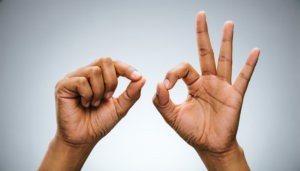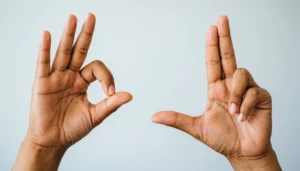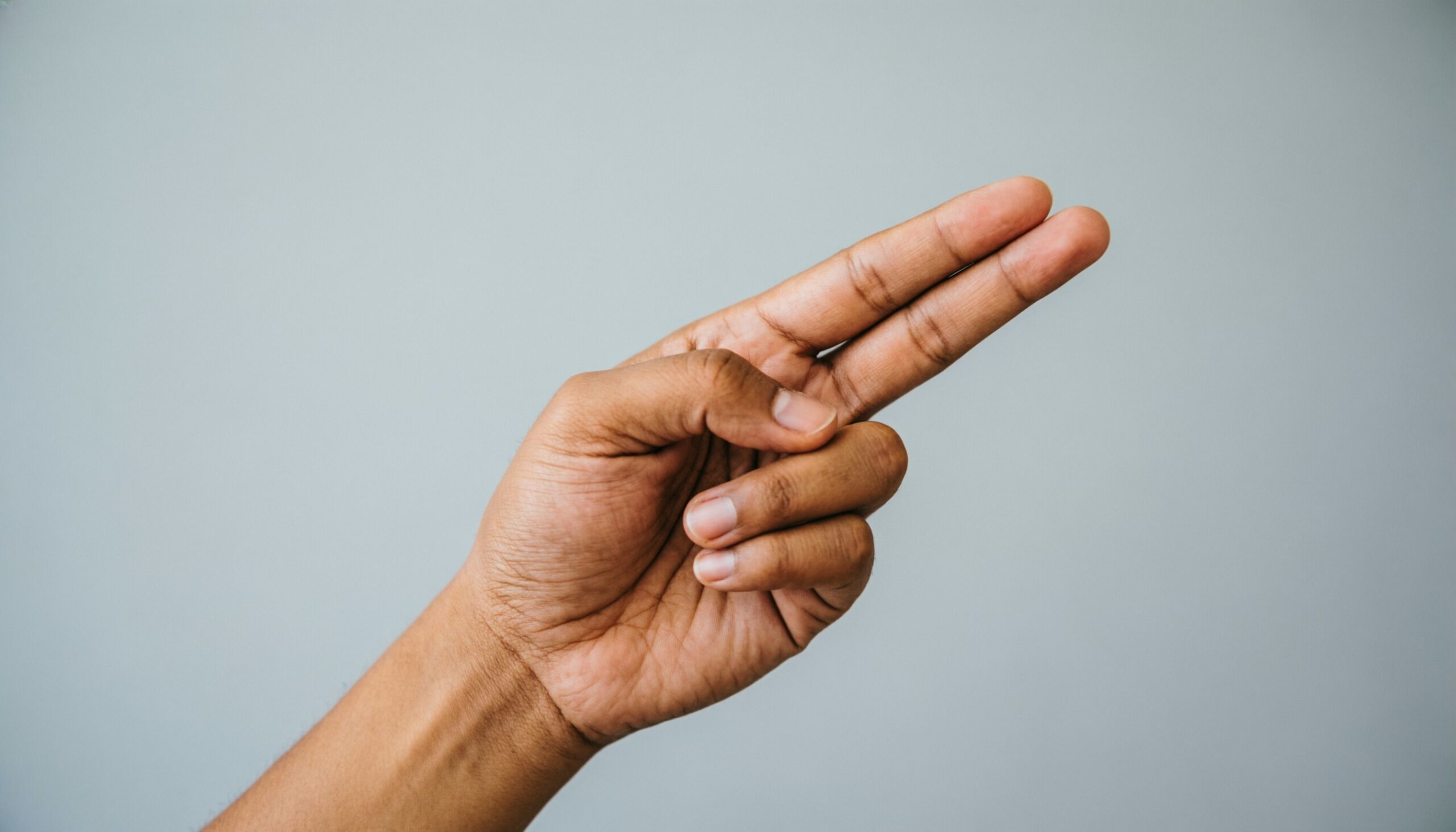
If you have ever received a message like “KMT ” and wondered what those three letters meant, you are not alone. KMT slang meaning is commonly searched by people who come across this expression in texts, TikTok comments, Instagram messages, WhatsApp chats, and other online conversations.
In most casual conversations, KMT means “Kiss My Teeth.” It represents the sound or reaction someone makes when they are annoyed, frustrated, disappointed, unimpressed, or simply tired of something. It is not normally meant literally as an invitation to kiss someone’s teeth.
The expression has cultural roots associated with Caribbean and African communities and has also become familiar in British urban slang and online communication.
In this guide, we will explain the KMT slang meaning, its origin, how people use it in texting and social media, examples, related expressions, common misunderstandings, and how to respond when someone sends you “KMT.”
What Does KMT Mean in Slang?
KMT stands for “Kiss My Teeth.”
It is generally used to express:
- Annoyance
- Frustration
- Disbelief
- Disappointment
- Disapproval
- Irritation
- Being unimpressed
- Mild anger
- A dismissive attitude
The phrase comes from the physical act of “kissing” or “sucking” your teeth, which can produce a sharp sound similar to “tsk.” In some cultural contexts, this sound communicates irritation or disapproval without requiring a spoken sentence.
Simple Definition
KMT = Kiss My Teeth = an expression of annoyance, frustration, disbelief, or disapproval.
For example:
“You forgot my birthday again? KMT.”
Here, the person is not literally telling someone to kiss their teeth. They are showing that they are annoyed or disappointed.
Another example:
“They canceled the concert again. KMT ”
This communicates something like:
“Seriously? That’s so annoying.”
KMT Meaning in Text Messages
In texting, KMT meaning in text is usually connected to irritation or disbelief.
People use it because typing three letters is quicker than writing:
- “That is so annoying.”
- “I can’t believe this.”
- “Seriously?”
- “I’m disappointed.”
- “I’m not impressed.”
- “Oh, come on!”
The exact emotion depends on the conversation.
For example:
Person 1: “I forgot to bring your charger.”
Person 2: “KMT ”
The second person is probably irritated.
But:
Person 1: “I ate the last slice of pizza ”
Person 2: “KMT ”
This could be playful rather than genuinely angry.
That is why context matters when interpreting KMT slang.
Where Did KMT Come From?
The expression “kiss my teeth” is older than modern social media. It refers to a recognizable sound or gesture used to communicate annoyance or disapproval.
Sources discussing the term associate it with African and Caribbean cultural usage, particularly Jamaican influence. The expression later became familiar in British urban speech and texting culture.
As texting and social media became more popular, people began representing the sound digitally by typing:
KMT
Instead of physically making the sound, someone could simply type “kmt” to communicate the same emotional reaction.
This is an interesting example of how spoken expressions can become internet slang and text abbreviations.
KMT and Jamaican Influence
The phrase is often connected with Jamaican speech and Caribbean culture. Academic discussion of British urban slang has also identified KMT as an initialism derived from “kiss my teeth” and associated with Jamaican Patois influence.
It is important, however, not to assume that every person using KMT is Jamaican or Caribbean. Slang frequently travels between communities and can become part of wider online language.
What Emotion Does KMT Express?
KMT does not have one single emotional meaning.
Depending on context, it can communicate several different feelings.
| Emotion | Example | Possible Meaning |
|---|---|---|
| Annoyance | “You did that again? KMT.” | I’m annoyed. |
| Disbelief | “You paid $100 for that? KMT.” | I can’t believe it. |
| Disappointment | “They lost again. KMT.” | That’s disappointing. |
| Frustration | “My internet stopped again, KMT.” | This is frustrating. |
| Disapproval | “You shouldn’t have said that. KMT.” | I don’t approve. |
| Playful irritation | “You ate my fries? KMT ” | I’m pretending to be annoyed. |
| Dismissal | “KMT, whatever.” | I don’t care / leave it. |
The surrounding words, emojis, relationship between the people, and overall conversation can change the tone.
KMT Meaning on WhatsApp
On WhatsApp, KMT can be used as a quick emotional reaction.
For example:
Friend: “I told you I was coming at 7.”
You: “You said 6:30. KMT.”
Here, KMT adds frustration to the message.
Another example:
Friend: “I accidentally deleted the photos.”
You: “KMT ”
This can show disappointment while also keeping the conversation casual.
Because WhatsApp conversations are usually informal, lowercase “kmt” is common.
KMT Meaning on Instagram
On Instagram, you may see KMT in:
- Direct messages
- Comment sections
- Story replies
- Group chats
- Memes
- Reactions to controversial posts
For example:
“He really said that? KMT ”
The person is probably expressing disbelief or amusement mixed with annoyance.
Another example:
“KMT, people really believe this?”
Here, it communicates strong disbelief or disapproval.
KMT Meaning on TikTok
TikTok slang changes quickly, but KMT can still appear in comments, captions, and conversations.
For example:
“She forgot her own lyrics kmt”
This could mean:
“Seriously? I can’t believe she forgot.”
Or:
“KMT, why did he do that?”
This communicates frustration or disbelief.
The meaning is generally understood from the surrounding content rather than from the three letters alone.
KMT Meaning in Snapchat
On Snapchat, users often prefer short expressions because conversations are quick and informal.
Someone might send:
“KMT ”
after you make a joke.
Or:
“KMT you really did that?”
In the first example, it may be playful.
In the second, it may show genuine disbelief or annoyance.
KMT Meaning in Gen Z Slang
Although KMT is not exclusively a Gen Z slang term, younger internet users may encounter and use it in casual digital conversations.
Modern online communication often combines:
- Slang
- Initialisms
- Emojis
- Shortened words
- Memes
- Reaction phrases
KMT fits naturally into this style because it communicates an emotional reaction without requiring a long sentence.
For example:
“Bro missed the deadline again. KMT ”
The message could mean:
“Seriously? He did it again.”
The slang becomes especially easy to understand when combined with emojis.
KMT vs. “Kiss My Teeth” — Are They Different?
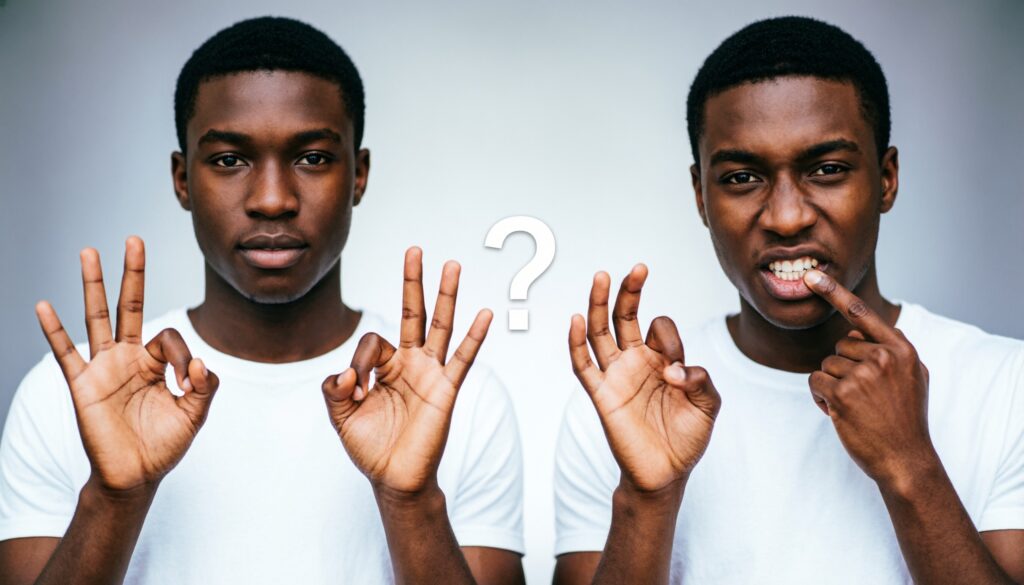
No. In the common slang usage, KMT is simply the shortened written form of “Kiss My Teeth.”
The difference is mainly how they are used.
“Kiss My Teeth”
This is the full expression.
Example:
“Kiss my teeth, I can’t believe you did that.”
“KMT”
This is the abbreviated version commonly used in texting.
Example:
“KMT, I can’t believe you did that.”
Both communicate a similar reaction.
Is KMT Rude?
KMT can be rude, but it is not always seriously offensive.
Its tone depends heavily on the situation.
Between close friends, someone might write:
“KMT you are too much.”
This may be playful.
However, sending:
“KMT.”
as a response to someone’s serious statement can sound dismissive or disrespectful.
When KMT May Sound Rude
Be careful when using it with:
- Teachers
- Employers
- Customers
- Older relatives
- Professional contacts
- People you do not know well
Slang is generally better suited to informal communication.
Is KMT an Insult?
Not necessarily.
KMT primarily communicates an emotional reaction rather than directly insulting another person.
It can express:
“I’m annoyed.”
or:
“I’m not impressed.”
However, when used aggressively, it can contribute to an insulting or disrespectful message.
For example:
“KMT, you’re always doing something stupid.”
The complete sentence is clearly more insulting than simply saying “KMT.”
KMT vs. SMH
SMH means “shaking my head.”
Both KMT and SMH can express disappointment or disbelief, but they have slightly different vibes.
| Slang | Meaning | Typical Feeling |
|---|---|---|
| KMT | Kiss My Teeth | Irritation or disapproval |
| SMH | Shaking My Head | Disappointment or disbelief |
| WTF | What the f*** | Shock, anger, or disbelief |
| OMG | Oh My God | Surprise or excitement |
| Sigh | Expression of tiredness/frustration | Resignation |
| Ugh | Expression of annoyance | Frustration |
For example:
“He forgot his keys again. SMH.”
This emphasizes disappointment.
“He forgot his keys again. KMT.”
This can sound more irritated or dismissive.
KMT vs. TSK
Another useful comparison is “tsk.”
“TSK” represents a sound associated with disapproval or annoyance. KMT can communicate a similar reaction, although the cultural meaning and usage are not identical.
For example:
“You really lied to me? Tsk.”
and:
“You really lied to me? KMT.”
Both suggest disapproval, but KMT carries the specific slang meaning “kiss my teeth.”
Common Examples of KMT in Conversation
Here are several realistic examples.
Example 1: Annoyance
A: “The bus is late again.”
B: “KMT. Every single day.”
Meaning:
“This is so annoying.”
Example 2: Disbelief
A: “He bought a phone for $2,000.”
B: “KMT ”
Meaning:
“I can’t believe that.”
Example 3: Disappointment
A: “Our team lost.”
B: “KMT, not again.”
Meaning:
“I’m disappointed.”
Example 4: Playful Reaction
A: “I ate your chocolate.”
B: “KMT ”
Meaning:
“I’m pretending to be annoyed.”
Example 5: Disapproval
A: “I told everyone your secret.”
B: “KMT.”
Meaning:
“I’m seriously not happy about that.”
Example 6: Frustration
A: “The Wi-Fi stopped working again.”
B: “KMT ”
Meaning:
“This is frustrating.”
How to Respond When Someone Says “KMT”
Your response should depend on the person’s tone.
If They Are Clearly Annoyed
You can say:
- “My bad ”
- “Sorry about that.”
- “I didn’t mean to annoy you.”
- “What happened?”
- “Okay, okay ”
If They Are Joking
You can respond playfully:
- “ Why are you kissing your teeth?”
- “Relax!”
- “LMAO, my bad.”
- “You know you love me ”
- “Don’t be mad.”
If You Are Unsure
Simply ask:
“What do you mean by KMT?”
There is nothing wrong with asking for clarification, especially when slang has different meanings across communities.
How to Use KMT Naturally
If you want to use KMT in a conversation, keep these tips in mind.
1. Use It in Casual Conversations
KMT works best with friends, family members who understand slang, and online communities.
2. Consider Your Tone
“KMT ” can sound playful.
“KMT.” can sound colder and more serious.
3. Look at the Context
Don’t assume that every KMT means someone is angry. It could simply be a humorous reaction.
4. Avoid It in Formal Writing
Do not normally use KMT in:
- Academic essays
- Business emails
- Job applications
- Formal reports
- Professional documents
Unless you are specifically discussing slang, a standard phrase is more appropriate.
Common Misunderstandings About KMT
Misconception 1: KMT Is About Actual Kissing
No. In slang, KMT does not normally refer to romantic or physical kissing.
It represents the expression “kiss my teeth,” which is associated with annoyance or disapproval.
Misconception 2: KMT Always Means Anger
Not necessarily.
Friends may use it jokingly.
The difference can be determined by context and emojis.
Misconception 3: KMT Is Only Used by Gen Z
KMT has been used as an abbreviation for this expression for years. It is not exclusively a Gen Z invention.
Misconception 4: KMT Has Only One Meaning Everywhere
No. KMT can mean different things in different contexts.
For example, in chemistry, KMT can refer to Kinetic Molecular Theory, which has nothing to do with internet slang.
Therefore, always consider the topic of the conversation.
KMT in Other Contexts
While KMT slang meaning usually refers to “Kiss My Teeth,” the letters KMT can have unrelated meanings.
KMT in Chemistry
In science, KMT can stand for Kinetic Molecular Theory, a scientific model used to explain the behavior of gases.
So if you see:
“We studied KMT in chemistry today.”
the person is probably talking about Kinetic Molecular Theory, not slang.
KMT in Online Conversations
If you see:
“KMT, that’s so annoying.”
it almost certainly refers to “Kiss My Teeth.”
This distinction is important because abbreviations often have different meanings depending on the subject.
Related Slang You Should Know
If you are learning online slang, these expressions are also useful:
- SMH — Shaking My Head
- IDK — I Don’t Know
- TBH — To Be Honest
- LOL — Laughing Out Loud
- OMG — Oh My God
- WTF — What the F***
- FR — For Real
- NGL — Not Gonna Lie
- IMO — In My Opinion
- BRB — Be Right Back
- IKR — I Know, Right?
Knowing these abbreviations can make texting and social media conversations much easier to understand.
Why Do People Use KMT Instead of Saying “I’m Annoyed”?
The main reason is speed and emotional expression.
Internet communication has created a style where a few letters can replace an entire sentence.
Compare:
“I’m extremely disappointed that you did that again.”
with:
“KMT ”
The second version is shorter and more expressive.
It can also feel more natural in casual conversations because it resembles the physical reaction associated with the phrase.
KMT and Emojis
Emojis can change or clarify the tone of KMT.
KMT
Usually suggests genuine annoyance.
KMT
Often suggests playful irritation.
KMT
May communicate exaggerated frustration.
KMT
Often suggests disbelief or humorous shock.
KMT
Usually emphasizes annoyance or disapproval.
This is why reading only the letters is not always enough. The entire message matters.
KMT in Dating and Relationships
KMT can also appear in dating conversations.
For example:
Person A: “Sorry, I forgot we had plans.”
Person B: “KMT ”
This likely means:
“I’m annoyed that you forgot.”
Another example:
Person A: “I ate your fries.”
Person B: “KMT ”
Here, the reaction is probably playful.
If someone uses KMT during an argument, however, it may communicate stronger frustration.
When Should You Avoid Using KMT?
Although slang is useful, there are situations where a clearer phrase is better.
Avoid KMT when:
- You need to communicate professionally.
- Someone is discussing a serious issue.
- You are speaking to someone unfamiliar with slang.
- The message could easily be misunderstood.
- You are writing an academic or formal document.
Instead of:
“KMT.”
you could write:
“I’m disappointed.”
or:
“I’m not happy about that.”
Clear language is often better when emotions are serious.
Quick Guide to KMT Slang Meaning
| Question | Answer |
|---|---|
| What does KMT mean? | Kiss My Teeth |
| Is KMT slang? | Yes, in casual online communication |
| What emotion does it express? | Annoyance, frustration, disbelief, or disapproval |
| Is it always serious? | No, it can be playful |
| Is KMT rude? | It can sound rude depending on context |
| Can I use KMT professionally? | Generally, no |
| Is KMT about kissing? | No, not literally |
| What is a similar expression? | SMH, tsk, ugh, seriously? |
Frequently Asked Questions About KMT Slang Meaning
1. What does KMT mean in texting?
KMT means “Kiss My Teeth.” In texting, it usually expresses annoyance, frustration, disappointment, disbelief, or disapproval.
2. What does KMT mean on WhatsApp?
On WhatsApp, KMT is commonly used as a quick reaction to something irritating, disappointing, or ridiculous. The exact tone depends on the conversation.
3. Is KMT a bad word?
KMT is not technically a swear word, but it can sound rude, dismissive, or disrespectful depending on how it is used.
4. What does KMT mean on TikTok?
On TikTok, KMT generally has the same slang meaning: “Kiss My Teeth.” It can be used in comments or messages to express annoyance, disbelief, or playful frustration.
5. Does KMT mean “kiss my teeth” or “kissing my teeth”?
Both phrases describe the same general expression. “Kiss My Teeth” is the most commonly cited expansion of KMT.
6. Is KMT the same as SMH?
Not exactly. Both can express negative reactions, but KMT tends to communicate irritation or disapproval, while SMH commonly communicates disappointment or disbelief.
7. Can KMT have another meaning?
Yes. In scientific contexts, KMT can stand for Kinetic Molecular Theory. Always consider the subject and context before interpreting an abbreviation.
Conclusion
Understanding KMT slang meaning is easier once you know that it usually stands for “Kiss My Teeth.” Rather than referring to literal kissing, the expression represents a reaction associated with annoyance, frustration, disbelief, disappointment, or disapproval.
You may encounter KMT in text messages, WhatsApp chats, Instagram comments, TikTok conversations, Snapchat, and other informal online spaces. Its tone can range from genuinely irritated to completely playful, so context is essential.
The best way to understand KMT is to look at the entire conversation. Emojis, punctuation, relationship, and surrounding words can all change the intended meaning.
If someone sends you “KMT ,” they are probably not impressed. If they send “KMT ,” they may simply be joking with you.
So, the next time you see KMT online, you will know exactly what it usually means—and, more importantly, how to understand the emotion behind it.
Discover More Articles:
- Coffee Slang Meaning: Different Meanings in Different Contexts
- CD Slang Meaning Explained: What Does It Mean in Text?
- GIF Slang Meaning Explained: How People Use GIFs Online

Emily Thompson is an English language educator and grammar writer at grammarnestz.com. She specializes in grammar rules, vocabulary development, writing skills, and language-learning resources for students and professionals.