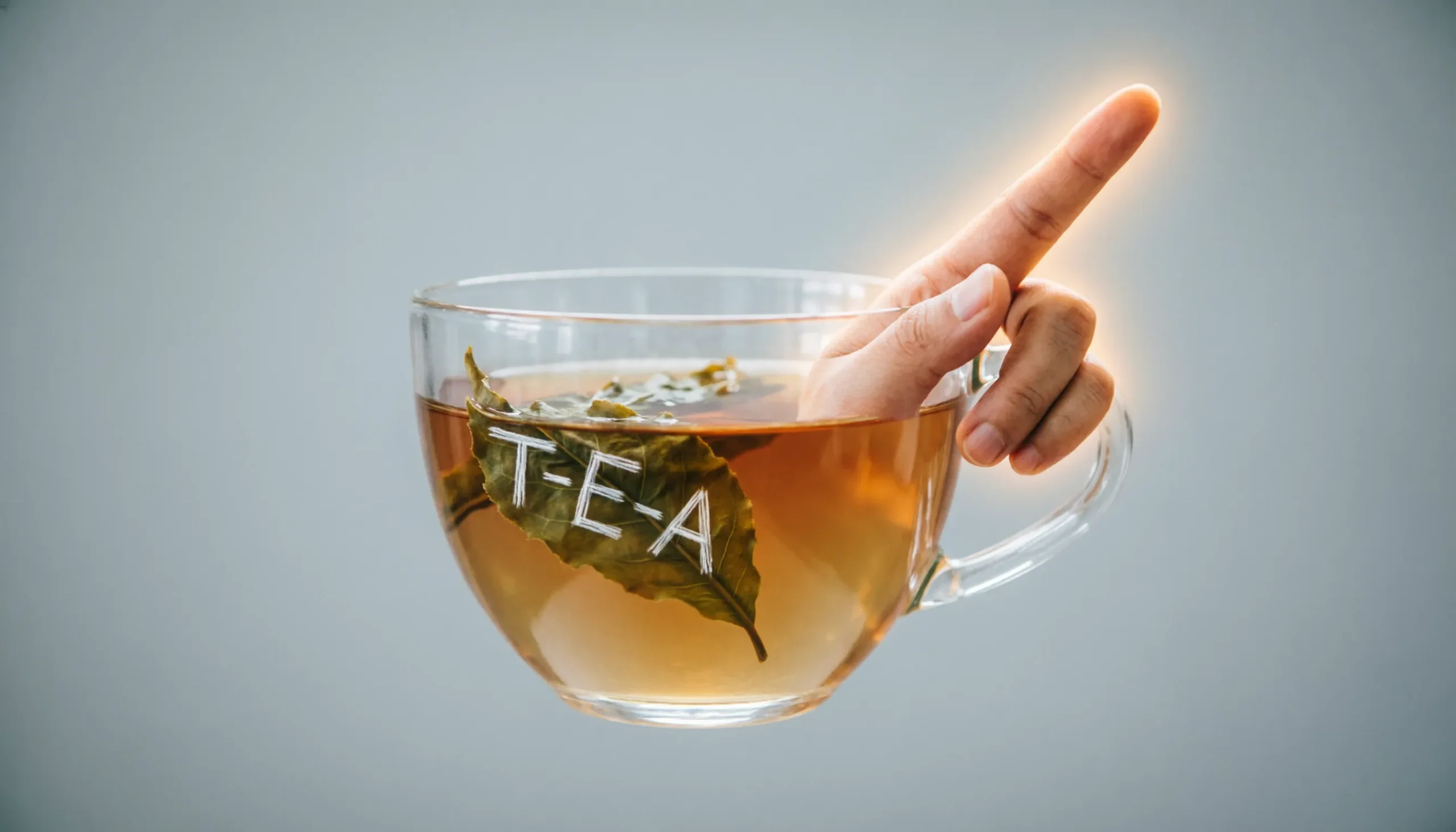
Tea slang meaning is one of the most searched slang terms online because people often see it in social media posts, chats, and trending videos. The first time I came across this word, I was curious too.
Was it really about a cup of tea, or did it mean something completely different? If you have ever felt confused after reading phrases like “spill the tea,” you are not alone.
In modern slang, this simple word has taken on a whole new meaning that many people use every day. In this guide, I’ll explain the meaning, origin, and examples of tea slang in a simple and easy-to-understand way.
Tea Slang Meaning & Definition Background of the Term
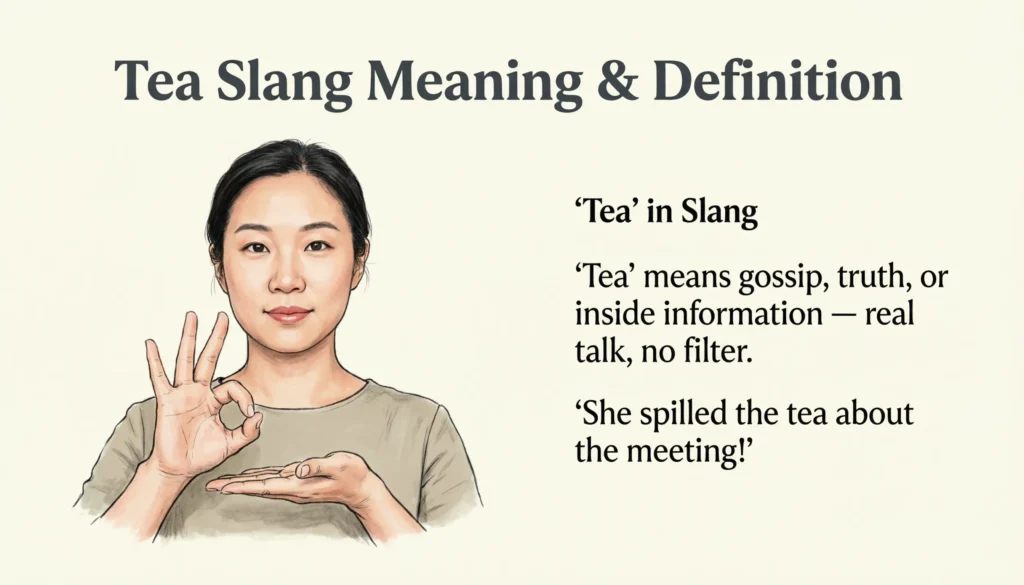
The most common tea slang meaning is gossip, news, rumors, or interesting information about a person, event, or situation. When someone says they have tea, they mean they have details or information that others may find exciting or surprising.
For example:
- I have some tea about what happened at the party.
- Spill the tea!
- What’s the tea today?
In these examples, tea does not refer to the drink. Instead, it means information that people want to hear.
The phrase spill the tea means to share gossip or reveal details. It is often used playfully and does not always involve negative gossip. Sometimes it simply refers to sharing updates or interesting stories.
People use this slang because it is short, fun, and easy to understand. It has become especially popular among younger internet users who communicate through social media, messaging apps, and online communities.
Today, the term is recognized worldwide and appears in memes, videos, captions, comments, and everyday conversations. Even brands and influencers use it to create engaging content.
While the word often refers to gossip, context matters. In some situations, it can simply mean news, updates, or honest opinions rather than rumors.
Background of the Term
The history of this slang goes back many years. The expression originated within African American communities and later became popular through drag culture and LGBTQ+ communities.
The term was used to describe truth, personal information, or insider knowledge. Over time, the pronunciation of the letter T, which stood for truth, evolved into the word tea.
As internet culture expanded, the phrase spread through television shows, online forums, YouTube videos, and social media platforms. Reality TV programs also helped popularize expressions such as spill the tea.
By the late 2010s, the term became mainstream. Celebrities, influencers, and content creators regularly used it in videos and posts. This widespread exposure introduced the phrase to a global audience.
Today, it is one of the most recognized internet slang expressions. Many people use it without knowing its cultural history. Understanding its origins helps explain why the term became associated with sharing truth, gossip, and insider information.
The popularity of the phrase continues to grow because people enjoy discussing news, trends, relationships, and entertainment. As a result, tea remains a common part of modern digital communication.
Usage in Different Contexts
The word can have different meanings depending on where it is used.
Casual Conversations
Friends often use it when discussing updates or interesting stories.
Example:
- Tell me the tea.
- I heard some tea about that situation.
Social Media
Users employ the term to attract attention and encourage engagement.
Example:
- Here’s the tea nobody is talking about.
- Time for some tea!
Entertainment
Celebrity news channels and gossip pages frequently use the phrase.
Example:
- The latest celebrity tea.
Workplace Conversations
In professional settings, people may use it jokingly to refer to office gossip.
Example:
- What’s the tea around the office today?
Online Communities
Forums and discussion groups often use the term when discussing rumors, updates, or insider information.
The flexibility of the expression is one reason it remains so popular across different age groups and platforms.
Meaning in Chat, WhatsApp, Instagram, and TikTok
The tea slang meaning is especially common on messaging and social media platforms.
Chat and WhatsApp
In chats, it usually means gossip, updates, or interesting news.
Example:
- Friend: I have tea.
- Response: Tell me everything!
Creators often use the phrase in captions and stories.
Examples:
- Spilling the tea.
- Here’s today’s tea.
TikTok
TikTok users frequently use the term in storytelling videos, reaction clips, and celebrity discussions.
Examples:
- Let’s talk about the tea.
- I found some serious tea online.
Snapchat
The phrase appears in private conversations and group chats when discussing events or people.
Across all these platforms, the meaning remains largely the same: sharing information that others may find interesting, surprising, or entertaining.
Meaning in Physics, Medical, and Aircraft Terminology
Although tea is commonly used as slang, it can have entirely different meanings in technical fields.
Physics
The word tea itself is not a standard physics term. However, abbreviations containing the letters TEA may represent specialized concepts depending on the research field.
Medical Terminology
In medicine, TEA can stand for specific medical procedures or treatments. One example is Thoracic Epidural Analgesia, a pain-management technique used in healthcare settings.
Aircraft Terminology
In aviation, TEA may refer to technical systems, aviation abbreviations, or operational terminology depending on the aircraft manufacturer and context.
These professional meanings are unrelated to internet slang. Therefore, context is essential when interpreting the term.
Common Misconceptions
Many people misunderstand the expression. Here are some common myths:
It Always Means Gossip
Not necessarily. Sometimes it simply means updates, news, or truthful information.
It Is a New Word
The term has existed for decades and has a rich cultural history.
It Is Always Negative
Not true. Tea can be positive, neutral, or negative depending on the situation.
It Refers to the Drink
In slang conversations, it rarely refers to the beverage unless the context clearly indicates otherwise.
Understanding these misconceptions helps prevent confusion when reading online conversations.
Similar Terms & Alternatives
Several expressions have meanings similar to tea.
- Gossip
- News
- Rumors
- Updates
- Insider information
- Scoop
- Buzz
- Dirt
- Details
- Story
Examples:
- What’s the scoop?
- Give me the latest updates.
- What’s the buzz?
While these alternatives are similar, tea often sounds more casual and internet-friendly.
How to Respond to It
If someone uses the term, your response depends on the situation.
Examples:
If Someone Says I Have Tea
You can respond with:
- Tell me!
- What happened?
- Spill the tea.
- I’m listening.
If Someone Asks What’s the Tea?
You can respond with:
- Here’s what happened.
- Nothing much today.
- I heard some interesting news.
In Professional Settings
It is usually better to respond more formally and avoid gossip-related discussions.
The key is understanding the tone of the conversation before replying.
Differences from Similar Words
Although tea is similar to several other terms, there are important differences.
| Word | Meaning |
| Tea | Gossip, news, or interesting information |
| Gossip | Informal talk about people |
| Rumor | Unverified information |
| News | Verified information or updates |
| Scoop | Exclusive information |
| Buzz | Popular discussion or excitement |
Tea can include elements of all these words, which makes it broader and more flexible.
Relevance in Online Conversations & Dating Apps
The phrase has become highly relevant in online communication.
Social Media
People use it to discuss trends, celebrities, relationships, and viral topics.
Online Communities
Users share tea to provide updates and inside information.
Dating Apps
On dating platforms, people may use the term while discussing matches, relationships, or dating experiences.
Examples:
- I have tea about my last date.
- What’s the tea with your new match?
Because dating conversations often involve personal stories, the expression fits naturally into discussions about relationships and experiences.
Its popularity on dating apps reflects the broader influence of internet slang on everyday communication.
Conclusion
Understanding tea slang meaning is important because the phrase appears everywhere online, from WhatsApp chats and Instagram posts to TikTok videos and dating apps. In most cases, it refers to gossip, news, updates, or interesting information that people want to share.
The expression has deep cultural roots and evolved over time before becoming a mainstream internet term. Although it is most commonly associated with gossip, its meaning can vary depending on the context. In professional fields such as medicine and aviation, the same letters may represent entirely different technical terms.
Whether someone asks you to spill the tea or wants to know what’s the tea, understanding the context will help you interpret the conversation correctly. As digital communication continues to evolve, this popular slang expression is likely to remain a familiar part of online culture for years to come.
Discover More Articles
Ate Slang Meaning on TikTok, Instagram & Snapchat Explained
Woke Slang Meaning: Definition, Origins, Usage, & Modern Context
Cap Slang Meaning: Definition, Origin, & Examples (2026)
Hi, I’m Ethan Walker, founder of GrammarNestz. Passionate about language, writing, and clear communication, I help learners and writers improve their grammar skills through practical tips, easy-to-understand guides, and engaging content.