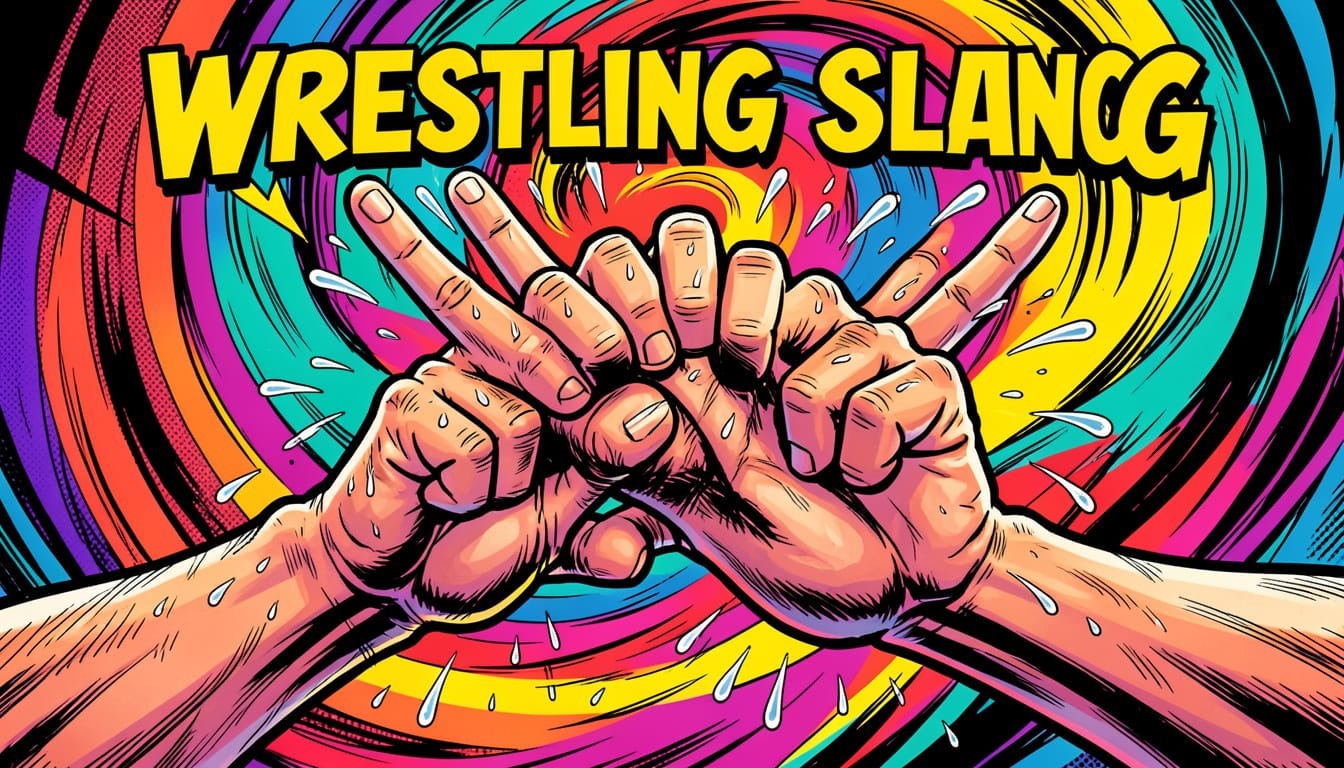
Wrestling slang meaning is more than just a phrase—it opens the door to understanding the unique language used by wrestlers, commentators, and passionate fans. If you’ve ever watched a wrestling match, browsed social media, or joined wrestling discussions online, you’ve probably come across terms that seem confusing at first.
Learning these expressions helps you enjoy the sport, follow conversations with confidence, and understand the stories unfolding inside and outside the ring. In this guide, you’ll discover the true meaning of wrestling slang, where these terms originated.
How they’re used in different situations, and the most popular wrestling expressions every fan should know. By the end, you’ll be able to understand wrestling conversations like a longtime fan.
Meaning & Definition Background
When discussing wrestling slang meaning, the term generally refers to informal words, phrases, and expressions commonly used within wrestling communities.
Unlike standard sports terminology, wrestling slang often develops through athlete culture, locker-room conversations, fan communities, and professional wrestling storytelling. These terms may describe moves, match outcomes, performers, audience reactions, or behind-the-scenes situations.
Some common examples include:
- Jobber – A wrestler who regularly loses to help make others look stronger.
- Heel – The villain or bad character in professional wrestling.
- Face (Babyface) – The hero or fan-favorite character.
- Kayfabe – Maintaining the illusion that wrestling storylines are real.
- Push – Promoting a wrestler toward greater prominence.
- Sell – Acting as though an opponent’s move caused significant damage.
The exact meaning depends heavily on context. In amateur wrestling, slang may refer to training techniques, physical conditioning, or competition strategies. In professional wrestling entertainment, many slang terms revolve around storytelling and character development.
Over time, some wrestling expressions have expanded beyond the sport itself and are now used metaphorically in business, politics, entertainment, and online culture.
Background
Wrestling slang has evolved over many decades, influenced by both competitive wrestling and professional wrestling entertainment.
Historically, professional wrestlers traveled extensively and developed a unique vocabulary that allowed them to communicate privately around fans and promoters. This insider language helped performers discuss matches, business arrangements, and storylines without revealing details to audiences.
During the twentieth century, wrestling maintained a strong culture of secrecy. Wrestlers often protected the illusion that matches and rivalries were entirely genuine. As a result, many coded terms emerged to describe situations behind the scenes.
The rise of the internet dramatically changed wrestling culture. Fan forums, podcasts, social media platforms, and video-sharing websites exposed many insider expressions to the public. Terms that were once known only within wrestling circles became part of mainstream online language.
Today, wrestling slang is used by:
- Professional wrestlers
- Amateur wrestlers
- Sports journalists
- Wrestling fans
- Social media creators
- Meme communities
Because wrestling enjoys a global audience, its slang continues to evolve. New expressions emerge regularly while older terms remain popular among longtime fans. This ongoing evolution keeps wrestling vocabulary dynamic and relevant in modern digital communication.
Usage in Different Contexts (Chat, Social Media, Professional Fields)
Wrestling slang appears in various settings beyond the wrestling ring.
Casual Chat
Friends may use wrestling expressions humorously:
- “He completely no-sold my joke.”
- “She’s getting a big push at work.”
These phrases borrow wrestling concepts and apply them to everyday situations.
Social Media
Users frequently incorporate wrestling slang into memes, reactions, and commentary:
- “That storyline is pure kayfabe.”
- “The crowd turned on him fast.”
These expressions often appear on platforms where sports and entertainment discussions are popular.
Professional Wrestling
Within the wrestling industry, slang remains part of daily communication. Wrestlers, trainers, announcers, and journalists regularly use insider terminology to discuss matches, promotions, and performance techniques.
Business and Entertainment
Certain wrestling terms have crossed into professional environments. For example, someone receiving increased visibility or support may be described as getting a “push.”
Because many expressions have become mainstream, people may use them without even realizing their wrestling origins.
Meaning in Chat, WhatsApp, Instagram, and TikTok
On messaging apps and social platforms, wrestling slang often takes on broader and more humorous meanings.
In private chats, people may use wrestling terms jokingly:
- “My boss is giving him the main-event treatment.”
- “Don’t sell that excuse to me.”
The language is usually playful and metaphorical.
Instagram captions and comments frequently use wrestling references to emphasize competition, confidence, or drama:
- “Ready for the main event.”
- “Champion mindset.”
These phrases resonate because they suggest determination and resilience.
TikTok
TikTok creators often use wrestling slang in reaction videos, sports content, and comedy sketches. Terms such as “heel turn” are commonly used to describe sudden changes in behavior or unexpected betrayals.
Online Communities
In fan communities, the slang typically retains its original wrestling meaning. However, outside those communities, the same words may simply describe drama, rivalry, popularity, or performance.
Understanding context is essential because a term may have one meaning among wrestling fans and a different interpretation among general social media users.
Meaning in Physics, Medical, and Aircraft Terminology
People searching for wrestling slang meaning sometimes wonder whether the term has technical applications in other fields.
Physics
There is no recognized physics term known specifically as “wrestling slang.” However, wrestling discussions may reference concepts such as force, momentum, balance, leverage, and center of gravity.
Medical Terminology
Medical professionals do not use wrestling slang as official terminology. However, sports medicine specialists may discuss wrestling-related injuries, conditioning, rehabilitation, and athletic performance.
Aircraft Terminology
In aviation, wrestling slang is not a standard technical category. Occasionally, pilots or aviation personnel may use informal expressions metaphorically, but these are not official aircraft terms.
Therefore, wrestling slang remains primarily associated with sports, entertainment, and popular culture rather than scientific or technical disciplines.
Common Misconceptions
Several misunderstandings surround wrestling slang.
It Is Only Used by Professional Wrestlers
False. Fans, journalists, content creators, and casual viewers regularly use wrestling terminology.
Every Wrestling Term Is Slang
Not true. Many wrestling words are official technical terms describing legal moves, positions, and rules.
Wrestling Slang Always Means the Same Thing
Context matters. A term may have one meaning inside wrestling and another meaning in everyday conversation.
Wrestling Slang Is Outdated
Modern social media has actually expanded the reach of wrestling vocabulary, introducing it to younger audiences worldwide.
Understanding these misconceptions helps people interpret wrestling-related discussions more accurately.
Similar Terms & Alternatives
Depending on the context, people may encounter related expressions such as:
- Wrestling jargon
- Wrestling terminology
- Wrestling lingo
- Wrestling vocabulary
- Wrestling expressions
- Wrestling insider language
- Wrestling catchphrases
- Wrestling shorthand
Although these terms are similar, “slang” usually refers to informal language rather than official technical terminology.
How to Respond to It
If someone uses wrestling slang in conversation, your response should depend on the context.
If You Understand the Reference
You can engage naturally:
- “That’s a classic heel move.”
- “Looks like they’re getting a huge push.”
If You Are Unsure
Ask for clarification:
- “What do you mean by that term?”
- “Is that a wrestling reference?”
In Professional Settings
Avoid assuming everyone understands wrestling terminology. When necessary, explain the phrase or use more universally understood language.
Being aware of the audience helps prevent confusion and improves communication.
Differences from Similar Words
Wrestling slang differs from related language categories in several ways.
| Term | Meaning |
| Slang | Informal expressions used within a community |
| Jargon | Specialized vocabulary used by professionals |
| Terminology | Official technical language |
| Catchphrase | Memorable repeated expression |
| Nickname | Informal alternative name |
A wrestling move’s official name is terminology, while an insider phrase used backstage is more likely considered slang.
This distinction helps explain why some wrestling words appear in rulebooks while others exist primarily in conversation.
Relevance in Online Conversations & Dating Apps
Wrestling slang has become increasingly visible in digital communication.
On forums and social networks, people use wrestling terminology to describe:
- Popularity
- Rivalries
- Drama
- Competition
- Public image
- Social conflicts
On dating apps, wrestling slang occasionally appears in profiles and chats. Someone might describe themselves as a “champion,” joke about finding a tag-team partner, or refer to relationship drama using wrestling-inspired language.
Users familiar with wrestling culture often recognize these references immediately, while others may interpret them simply as humorous metaphors.
As internet culture continues blending sports, entertainment, and memes, wrestling slang remains relevant across many online communities.
Conclusion
Understanding wrestling slang meaning can make conversations about wrestling, sports entertainment, and online culture much easier to follow. These expressions originated within wrestling communities but have gradually spread into social media, casual conversations, workplaces, and even dating apps.
While some terms remain specific to wrestling fans, others have become part of everyday language, often used to describe competition, success, conflict, popularity, or performance. Context plays a critical role because the same word can carry different meanings depending on where it is used.
Whether you encounter wrestling slang on WhatsApp, Instagram, TikTok, discussion forums, or during live wrestling events, knowing the definitions and background behind these expressions helps you engage more confidently. As wrestling culture continues influencing mainstream communication, its unique vocabulary is likely to remain a recognizable part of modern digital language.
Discover More Articles:
- Zaddy Slang Meaning: Why Everyone Is Saying “Zaddy” Online
- Top 50 Gay Slang Terms and Their Meanings (Updated 2026)
- Otter Gay Slang Meaning Explained (With Real-Life Examples)

Hi, I’m Ethan Walker, founder of GrammarNestz. Passionate about language, writing, and clear communication, I help learners and writers improve their grammar skills through practical tips, easy-to-understand guides, and engaging content.